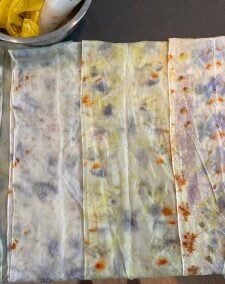
Petals falling
unable to resist
the moonlight
Sakura, sakura
they fall in the dreams
of sleeping beauty”
-Yosa Buson
 My childhood worldview was shaped by the foreign students that my parents sponsored through the Council on World Affairs from Case Western Reserve University in Cleveland. Every four years I’d have a new “brother or sister,” although in truth none of them ever left us.
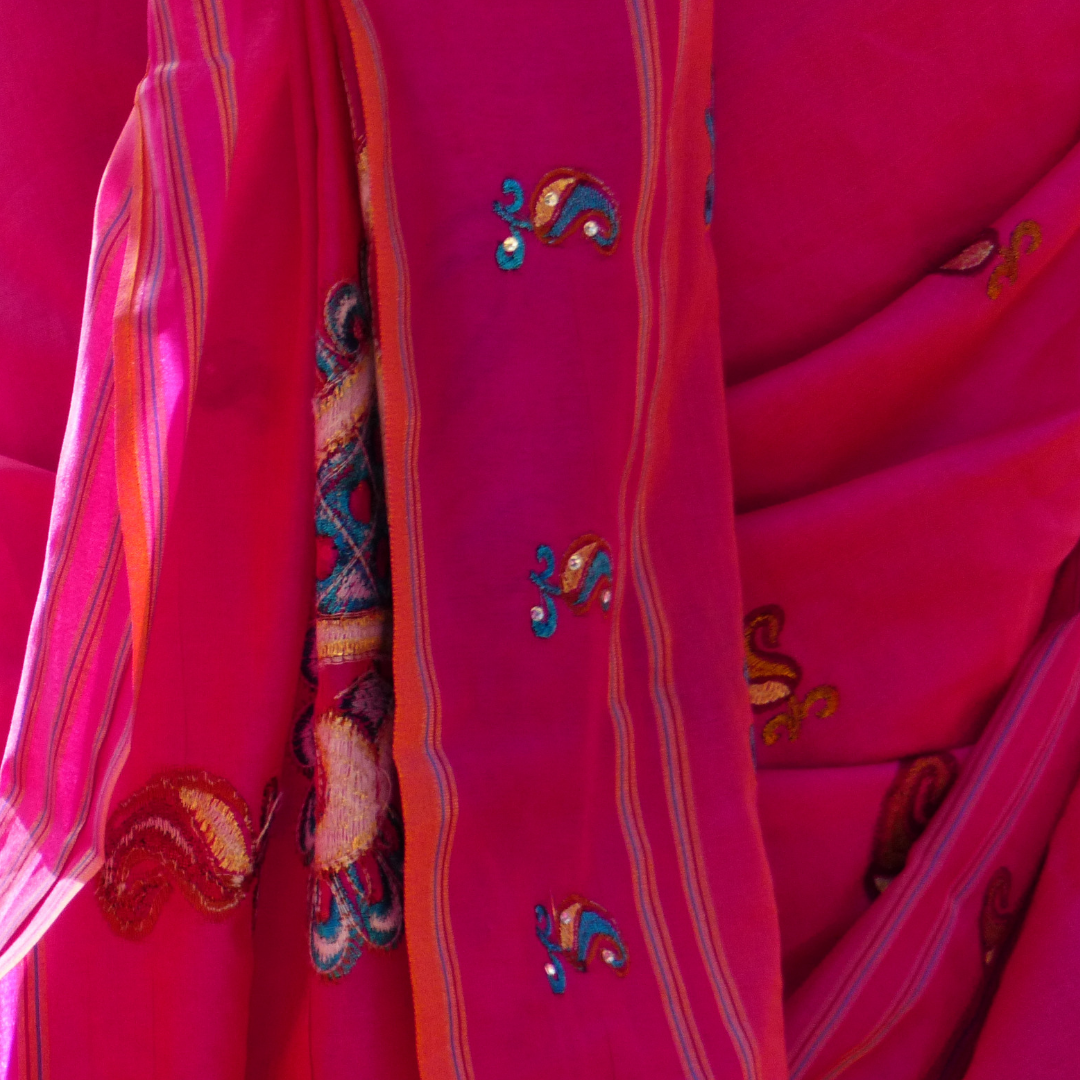
There was Santosh, the student from India, who brought us beautiful saris and sandals to wear. And, Riet, from Holland, who used to take me berry picking and foraging in the fields behind my parents’ home. There was Michael, from England, who is probably more responsible for my love of curry than anyone. There was Farhad, who came from Iran, and every year would bring me gifts of nougat, rose-covered almonds, rose oil, rose water, and absolutely beautiful, hand-painted, mother of pearl jewelry.
 My earliest memories though are of Hisashi and Kazco who were married in my parents’ back yard in a beautiful Japanese tea ceremony. They talked to me about many things, but the things I remember most were their memories of the beautiful springtime celebrations of Hanami, the ancient cherry blossom viewing festival.
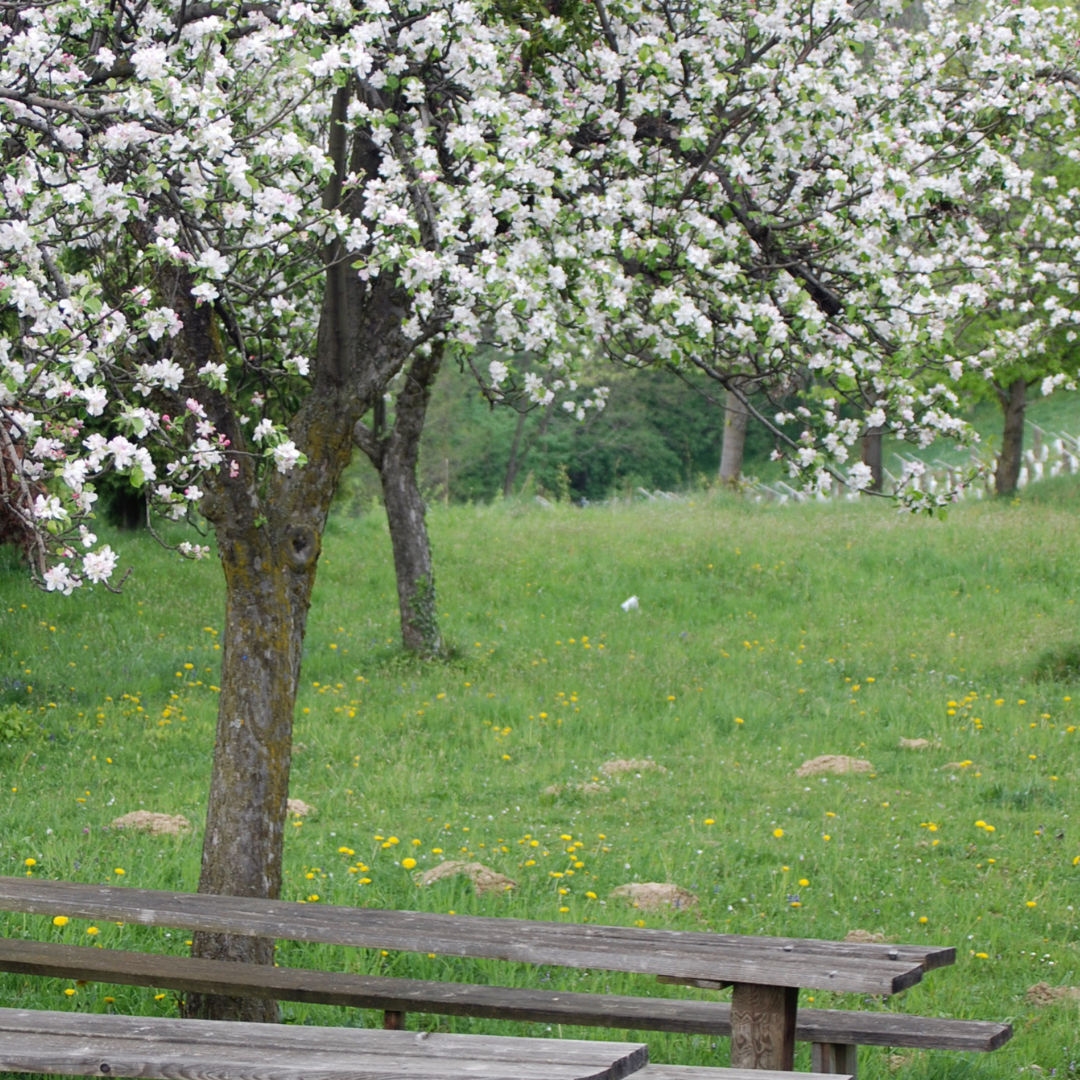
We didn’t have cherry trees, but my parents had glorious crabapple trees that circled all three acres of their property and I remember spreading out blankets and having magical fairy parties every spring under the fragrant and falling petals. I can’t wait to have grandchildren of my own to do this with. I’m already planning menus of fairy cakes, mochi, and sweetened jasmine tea.
 n Japan celebrating the transient beauty of spring flowers in a ritual called Hanami is a beloved custom that happens for a glorious two-week period when the cherry blossoms burst into bloom. The word Hanami literally means “flower viewing,” although it is most commonly used to refer to the viewing of cherry blossoms. I am told that the celebration of Hanami dates to the 8th century – although I guess the flower of choice then was the equally beautiful, and fleeting, plum blossom.
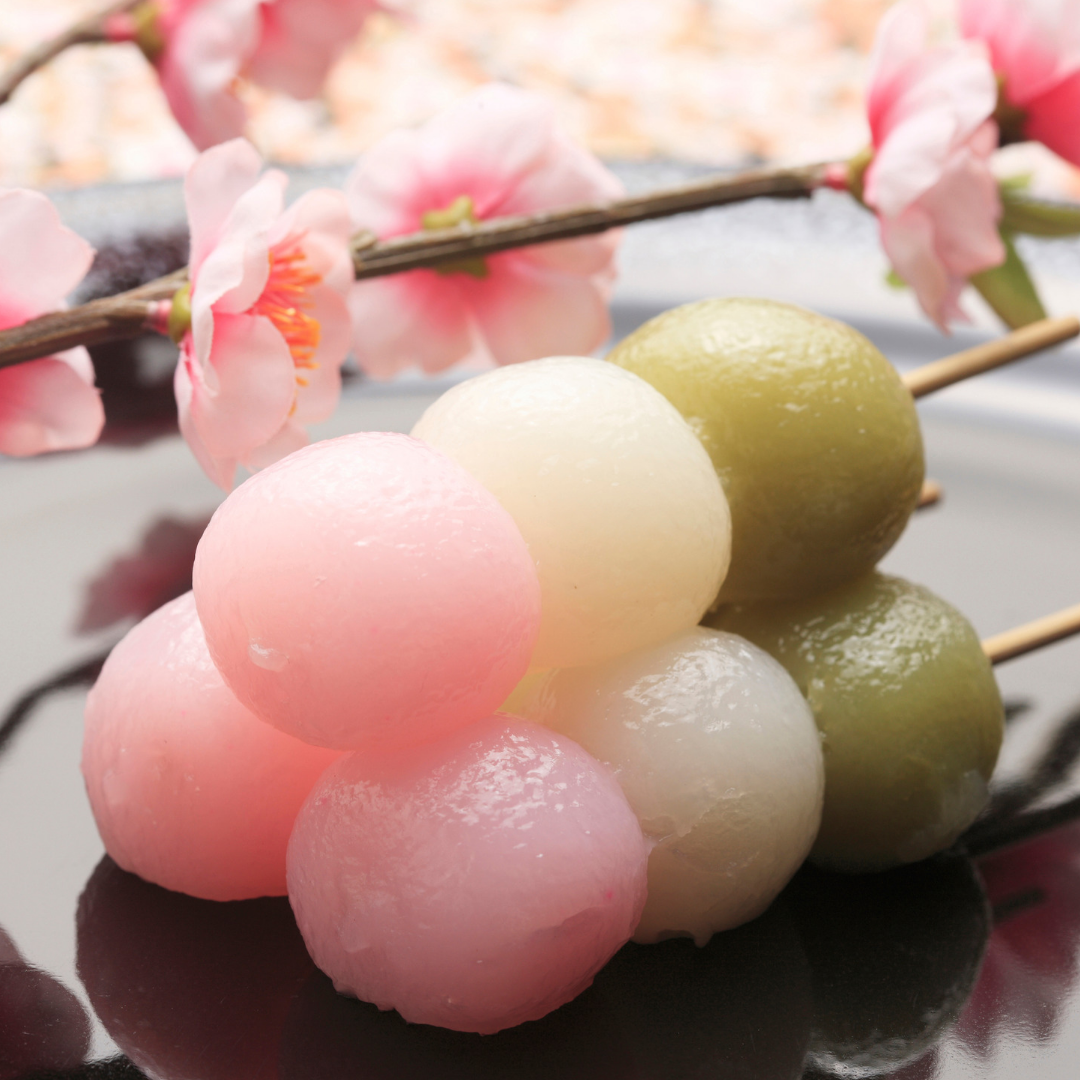
Traditionally, Hanami celebrations would include afternoon picnics under the blossoms and gaily strung lanterns with family and friends. Fragrant green tea, sake, dumplings, pink rice, and delectable Japanese sweets would be served. This could, and often would even, continue into the evening.
 This mysterious and romantic version of Hanami is called Yozakura which simply means “the night cherry blossom.” It seems that, after nightfall during blossom time, a different fragrance occurs. I think aroma is more pronounced at nightfall because the visual beauty is no longer distracting.
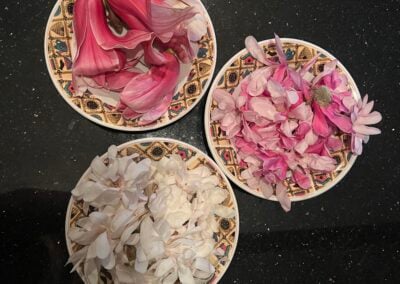
I appreciate the blossoms as part of my springtime cleansing, renewal, and awakening ritual each spring. When the blooms begin, my husband Jim and I go for long walks hand-in-hand, stealing kisses underneath blossom clusters. We spread blankets under the trees and drink in the sweet nighttime air, bathing in the warm, spring breezes and falling blossoms. Hanami is a magical celebration and is so very easy to celebrate. As the trees start blooming in your neighborhood take a walk and take the time to appreciate the beauty of the blooms.