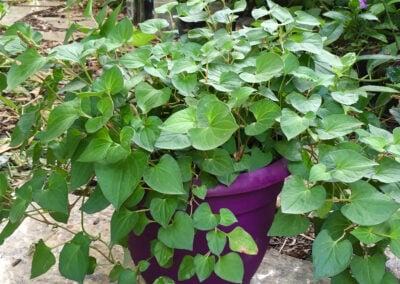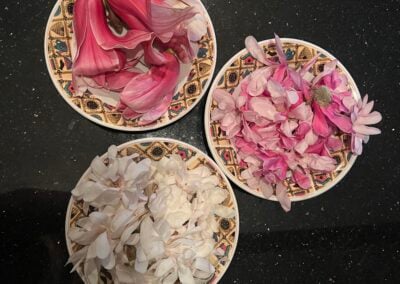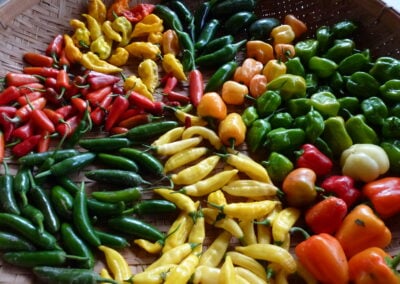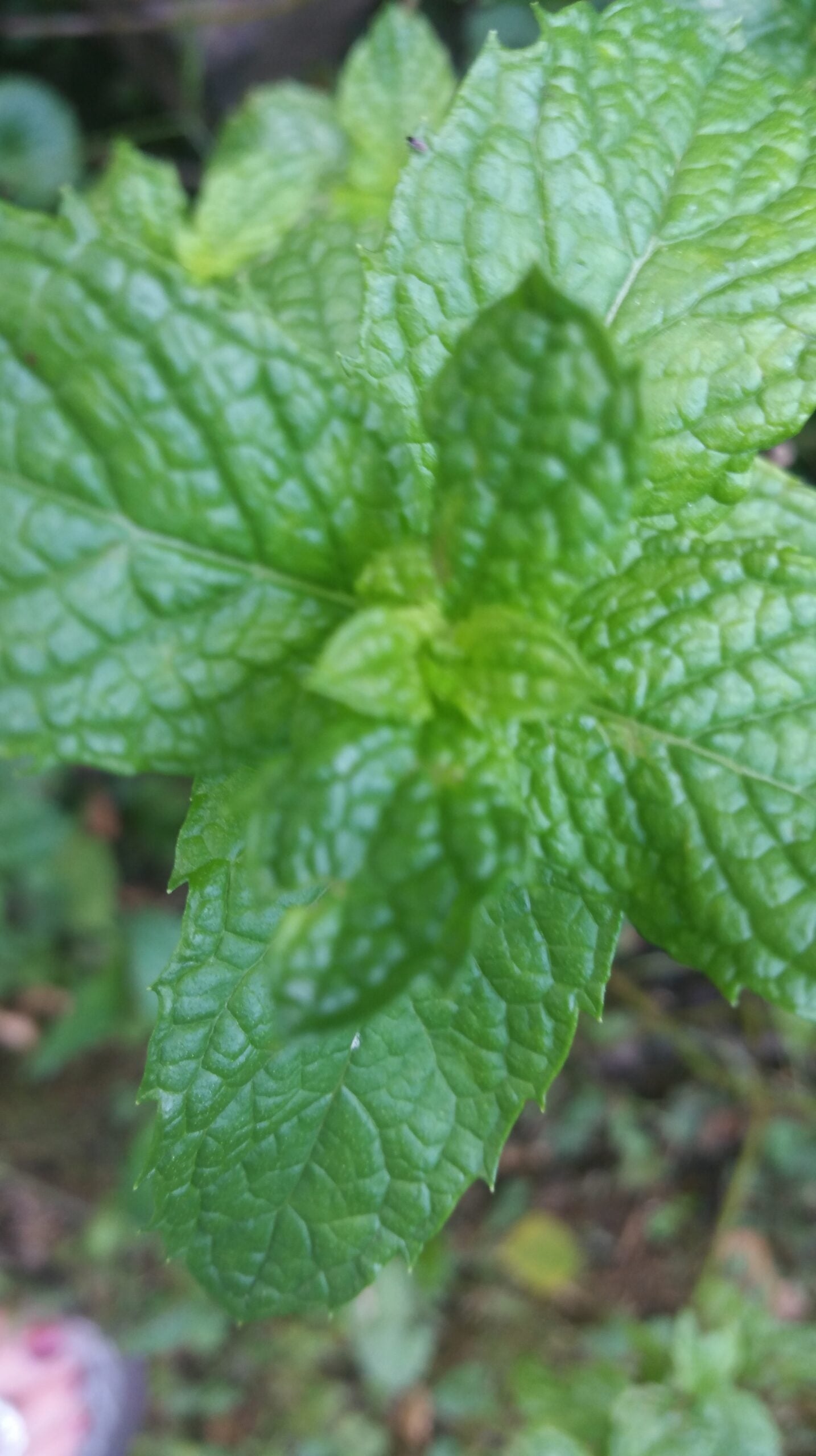
If an herbal-tea-drinking zombie apocalypse wiped out all mint plants, the Svalbard Global Seed Vault could replace many of the cultivars. The vault has seeds from 35 kinds of mint as well as 16 types of lavender and 3,035 different peppers.
Looking more like a set from a James Bond movie, the vault safeguards
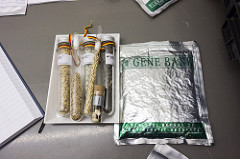
crops that are important for food production and sustainable agriculture. It holds more than more than 880,000 seed samples (with room for 4.5 million) of important crops from almost every country. Staples include corn, rice, wheat as well as lettuce, sweet potatoes, strawberries and more. Seeds are sealed in four-ply foil  packages and placed in sealed boxes. The boxes are stored in rows of shelves. Depositors retain ownership of their seeds.
“The focus of the Vault is to safeguard as much of the world’s unique crop genetic material as possible,” says a spokesperson for the Global Crop Diversity Trust. This doesn’t include genetically modified seeds.
 The vault is the safest and largest of the 1,700-plus seedbanks worldwide. It sits in a remote island halfway between mainland Norway and the North Pole, the farthest into the Arctic Circle a person can take a scheduled flight. The “building” is tunneled nearly 400 feet into a sandstone mountain to ensure the rooms remain naturally frozen – about -18 C – making it invulnerable to mechanical cooling system failure. The low temperature and moisture levels minimize metabolic activity, keeping seeds viable for decades or even thousands of years.
 Norway built the $9 million seed vault as a service to the world. The Global Crop Diversity Trust, the international organization tasked to protect and make available crop diversity for food security worldwide, supports ongoing operations and helps fund the shipment of seeds from developing countries to the facility.
In 2015, the first-ever withdrawal from the Vault, became necessary after the Syrian civil war made the Aleppo seed bank nonviable. In February 2017, they will ship seeds to replace those that were withdrawn.
Photos courtesy of the Global Crop Diversity Trust