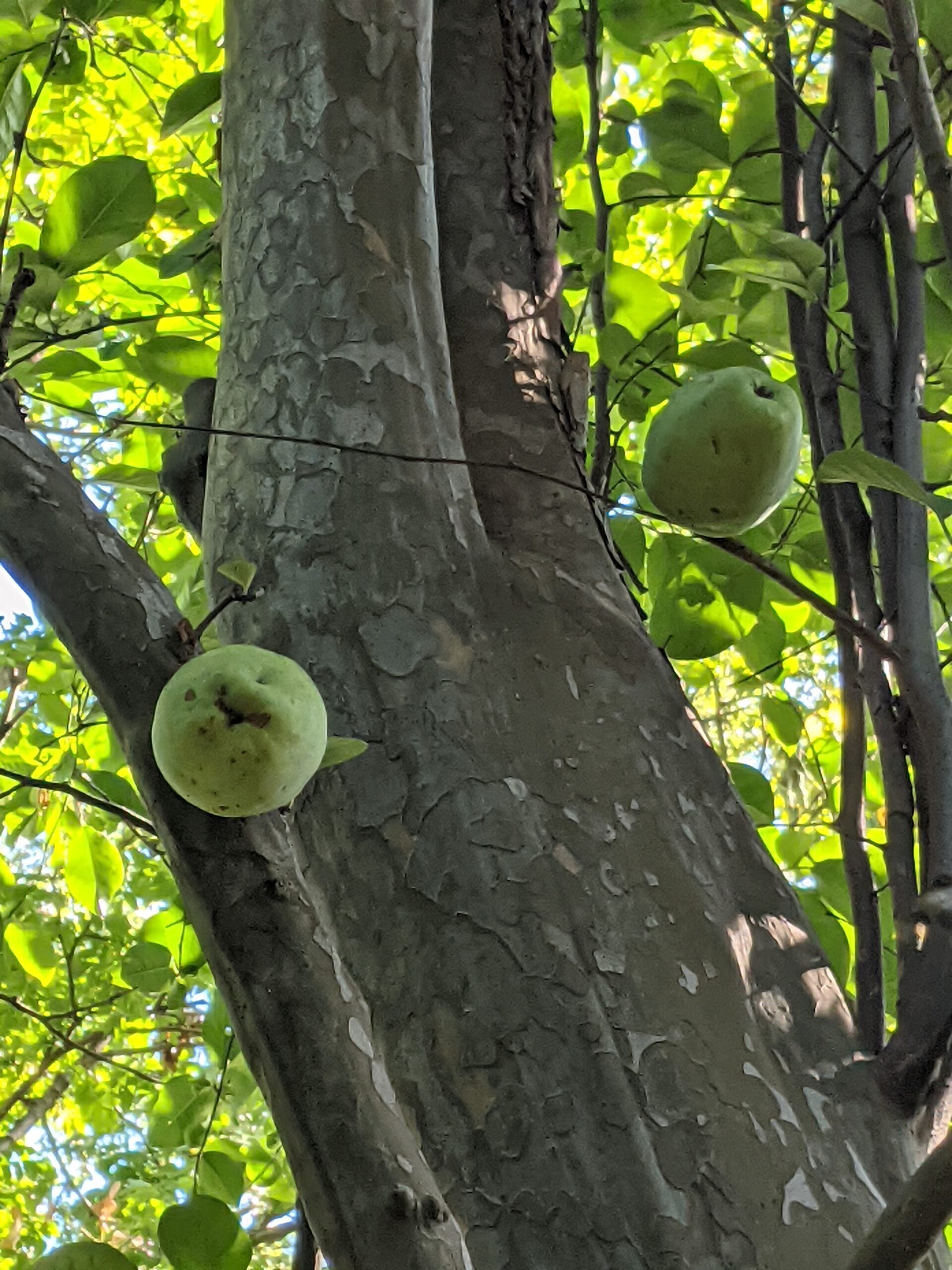
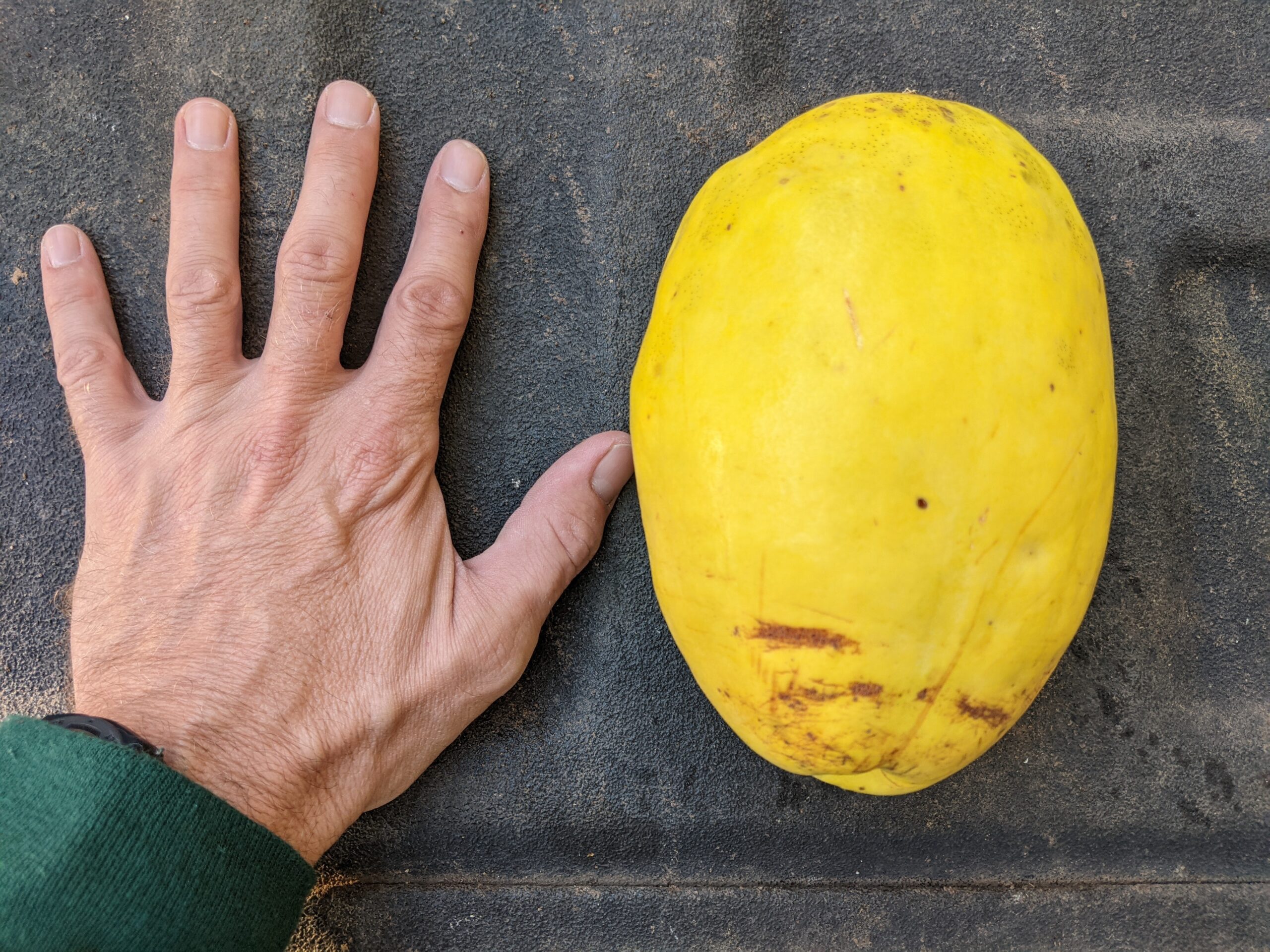
 After a brief email exchange with a colleague last fall around this same time, I set off to collect some fallen treasures from the forest floor from a tree I had never collected from before. The fruit was large and aromatic, but I was unfamiliar with its culinary use. Suddenly the sweet scent of ripening flesh let me know that the bounty was close, and true to smell, the six-inch long, bright yellow fruits of the Chinese quince (Pseudocydonia sinensis) were scattered beneath a tree. Much larger than its cousin, the common quince (Cydonia oblonga), which is used often in fruit production and tree grafting, the Chinese quince has a reputation for being rather astringent, and I had never thought of cooking with it.
After informing my colleague that the harvest was complete, I inquired as to how he planned on using the crop. He explained that quince made a lavish addition to an apple pie, among other seasonal dishes. From there, I dug in further to the culinary and ethnobotanical history of the Chinese quince and was pleasantly surprised to discover the versatility and medicinal properties of this interesting plant.
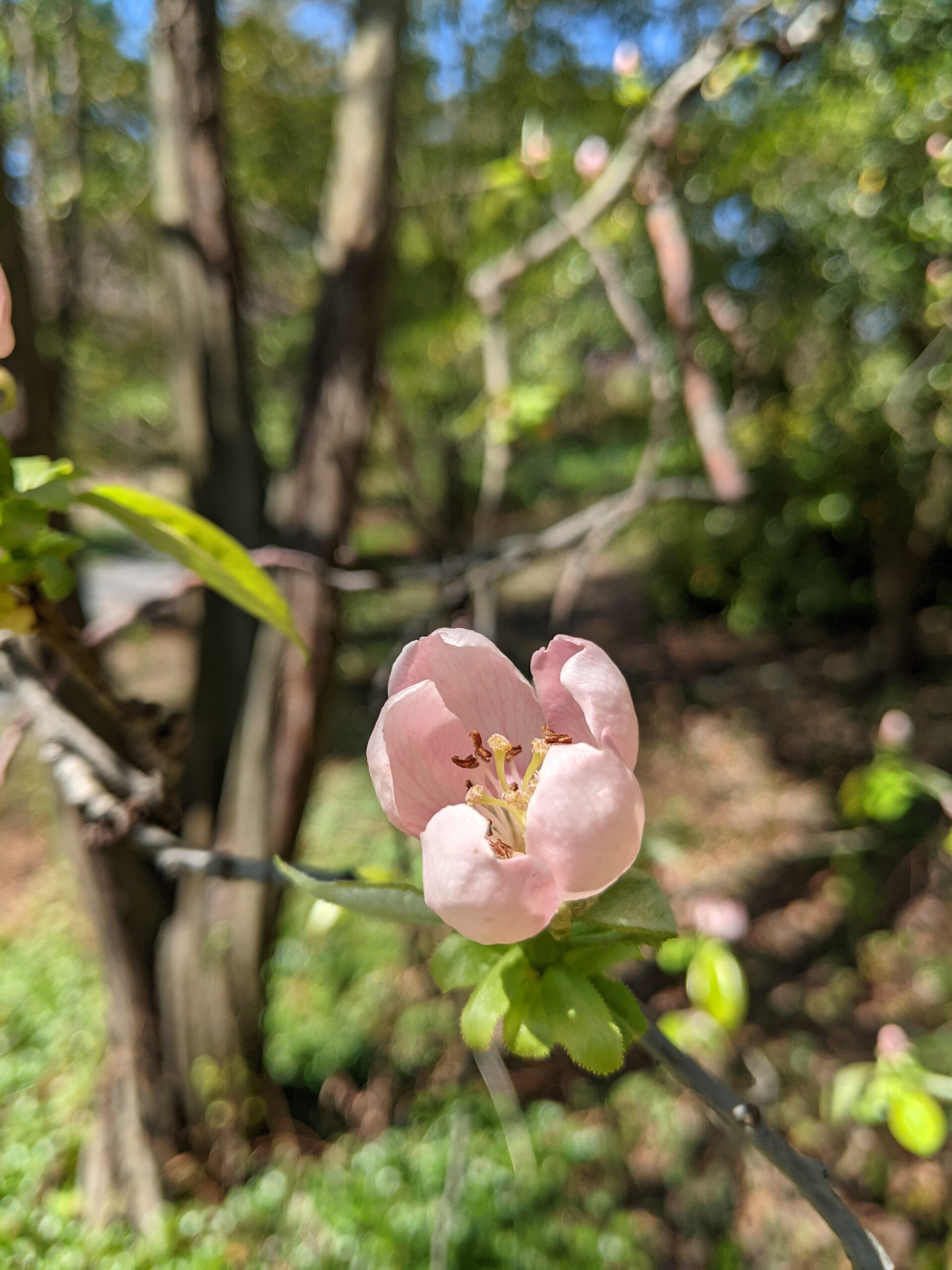
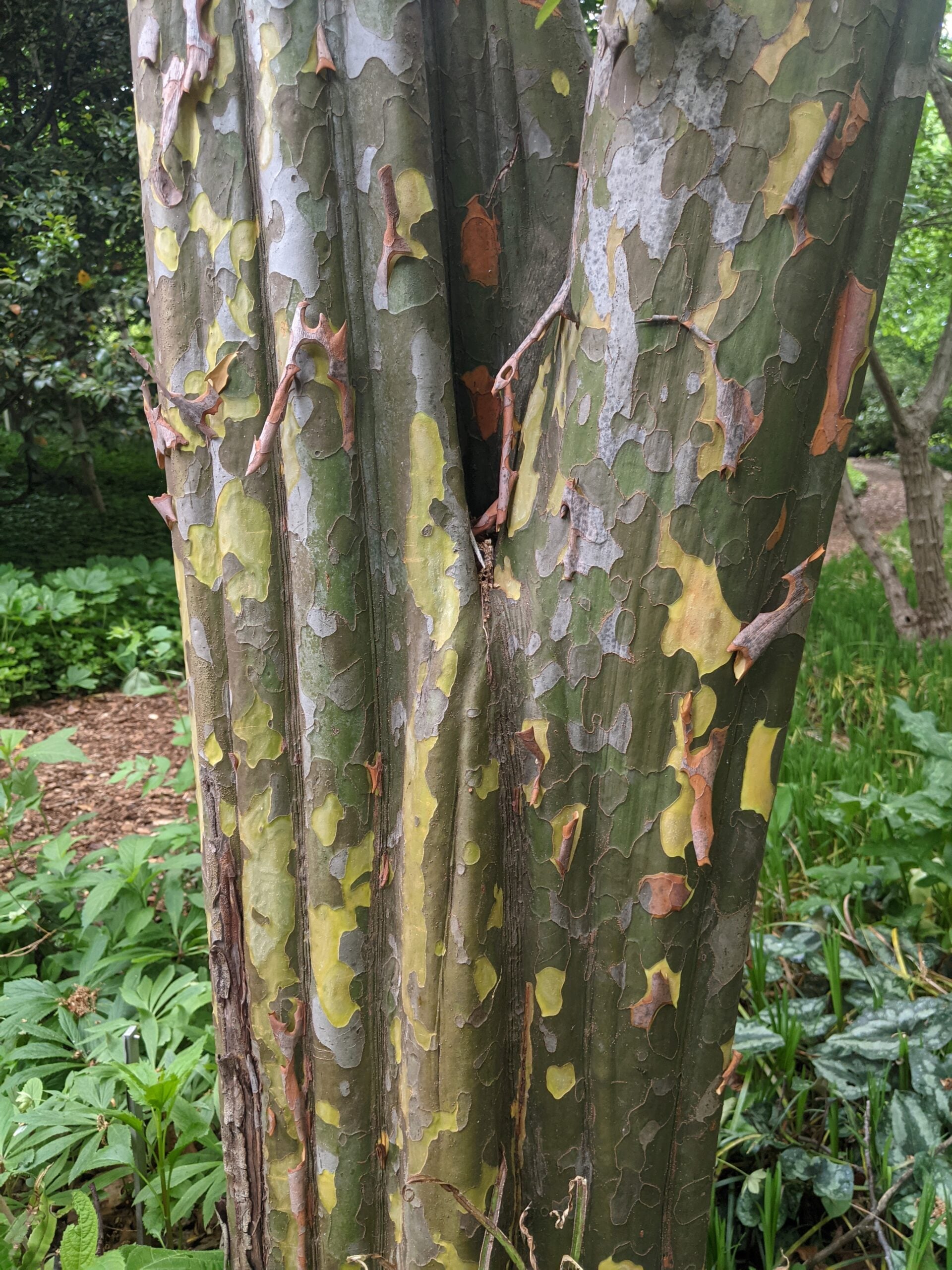
A monotypic species in the Rosaceae family, this tree alone could be an ornamental addition to most temperate gardens. They grow easily in USDA hardiness zones 6a-8b and in a variety of soil types. Standing 10’ – 20’ at maturity with exquisite exfoliating bark and wonderfully scented pink-white flowers in the spring, it adds multiple layers of interest year-round. Autumn, though, is when it gives up its true prize—the large fruits which have been used historically for medicines, as an edible for jams, jellies, pie fillings, liqueurs, candies, and eaten as a sweet meat (Facciola, 1990).
Korea, Japan, and China have used the fruits medicinally for centuries as an antitussive, and for asthma, the common cold, sore throats, mastitis, and tuberculosis. Descriptions of these efficacies have been found dating back to the 18th century in Japan. It contains several medicinally active constituents including organic acids, plus the flavonoids rutin and quercetin (World Health Organization, 1998). Recent research has shown that extracts of Chinese quince fruit have various biological functions, such as antibacterial, antihemolytic (Osawa et al., 1997), anti-inflammatory (Osawa et al., 1999), antitumor (Chun et al., 2012), anti-influenza (Hamauzu et al., 2005, Sawai et al., 2008, Sawai-Kuroda et al., 2013), antioxidant (Hamauzu et al., 2006, Hamauzu et al., 2010), and gastroprotective (anti-ulcerogenic) (Hamauzu et al., 2008) activities.
Medicinal plants are often boiled to extract functional ingredients, suggesting a decoction of Chinese quince fruit may be rich in various phytochemicals. Decoctions have been used for medicinal purposes but can also be used for manufacturing processed foods, such as fruit jelly. These traditional methods offer both positive and negative effects on the medicinal properties, as some research shows that the thermal effects can have a reductive effect on the polyphenols (Hamauzu et al., 2018).
 So, in addition to being a delicious addition to the fall harvest, it also has an increasing number of positive side effects attributed to its consumption. Which, I believe, begs the question, when are you going to add some quince to your apple pie? There are lots of fantastic recipes on the Internet, but here is one that I tried last year after my colleague piqued my interest enough to see how they taste during fall pie season. I hope that you enjoy it as much as I did as it truly does add a lavishness and texture that I had never experienced before with a typical apple pie. I used the Chinese quince but am sure that the common quince could be used as an easy replacement. Even if you just keep a bowl of them on the counter for a sweet fragrance, I hope that you can find a way to enjoy the Chinese quince in your home this fall, too!
Apple Quince Pie
Ingredients
- 3 cups thinly sliced peeled quinces (about 2 medium)
- 1 can (5-1/2 ounces) unsweetened apple juice
- 1 teaspoon whole cloves
- Pastry for single-crust pie (9 inches)
- 5 cups thinly sliced peeled tart apples (about 5 medium)
- 1/2 cup sugar
- 3 tablespoons all-purpose flour
- 1/2 teaspoon ground cinnamon
- 1/4 teaspoon salt
- 1/4 teaspoon ground nutmeg
Topping:
- 1/3 cup quick-cooking oats
- 2 tablespoons all-purpose flour
- 2 tablespoons brown sugar
- 1/4 teaspoon ground cinnamon
- 1 tablespoon cold butter
- In a large saucepan, combine the quince and apple juice. Place cloves on a double thickness of cheesecloth; bring up corners of cloth and tie with string to form a bag. Add to the saucepan. Bring to a boil. Reduce heat; cover and simmer for 12-15 minutes or until quince are crisp-tender.
- Uncover; simmer 8-12 minutes longer or until liquid is reduced to 2 tablespoons. Discard spice bag. Cool for 5 minutes.
- Line a 9-inch pie plate with pastry. Trim to a 1/2 inch beyond edge of plate; flute edges. In a large bowl, combine the apples, sugar, flour, cinnamon, salt, and nutmeg. Gently stir in quince mixture. Spoon into the crust.
- For topping, in a small bowl, combine the oats, flour, brown sugar, and cinnamon; cut in butter until crumbly. Sprinkle over filling.
- Bake at 375° for 50 – 60 minutes or until the apples are tender and crust is golden brown. Cool on a wire rack.