What better herb to consider for Valentine’s Day, but Stevia. An emerging darling in the tea garden.
While dieters lo ok to it for a sweet solution, the sugar alternative isn’t feeling the love from the scientific community. In its processed form, the white powder is accused of bad things, including messing with insulin levels. In its natural form, it’s another story.
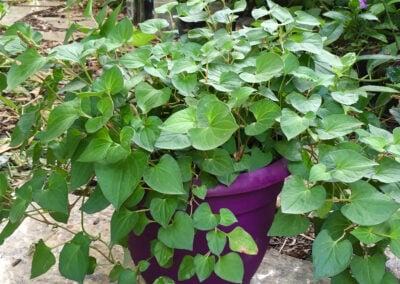
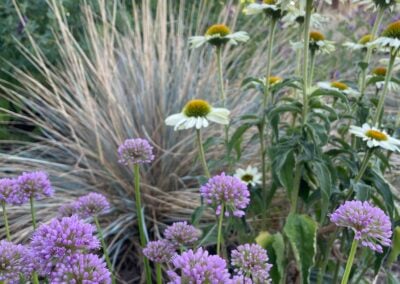
Ah, but in the garden the small, perennial shrub with white flowers can be a little honey.
Check out The Herb Society’s fact sheet “The Essential Facts for Stevia,” prepared by Educator Karen Kennedy.
Among other things, you’ll learn…
Stevia has been used for centuries as a medicinal herb/sweetener for “mate,” or hot herbal tea. The Japanese use this herb to sweeten meat dishes, desserts, beverages, and gum. The herb is native to Paraguay in South America and the Guarani Indians of that region also made use of it as a sweetener.
If you’re thinking about ordering young plants, make sure you have sunny areas. It prefers friable garden loam high in organic matter. Soil pH levels range from acid to slightly alkaline. Because the plant is not drought tolerant herb, soil should be kept continuously moist, but not saturated. Raised beds are the best choice for growing this herb if the soil is heavy or has a high clay content.
For warnings and medical information, visit Memorial Sloan-Kettering’s Cancer Care Integrative Medicine web page about stevia.