
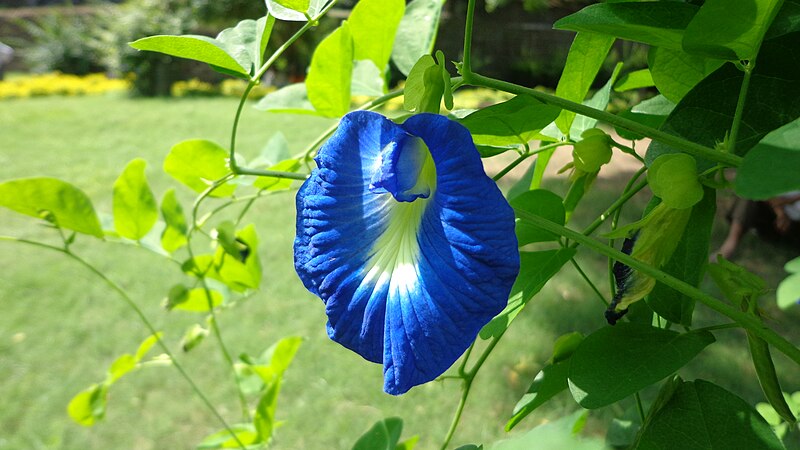
Butterfly pea flower (Clitoria ternatea) is a plant where the convergence of science and beauty meet. Butterfly pea is a subtropical plant native to tropical Africa and Eastern Asia. This vibrant, vining plant is not only appreciated for its beautiful yet short lived flower, but also for its uses in beverages, culinary dishes, medicine, and industry.
Beverages and Foods
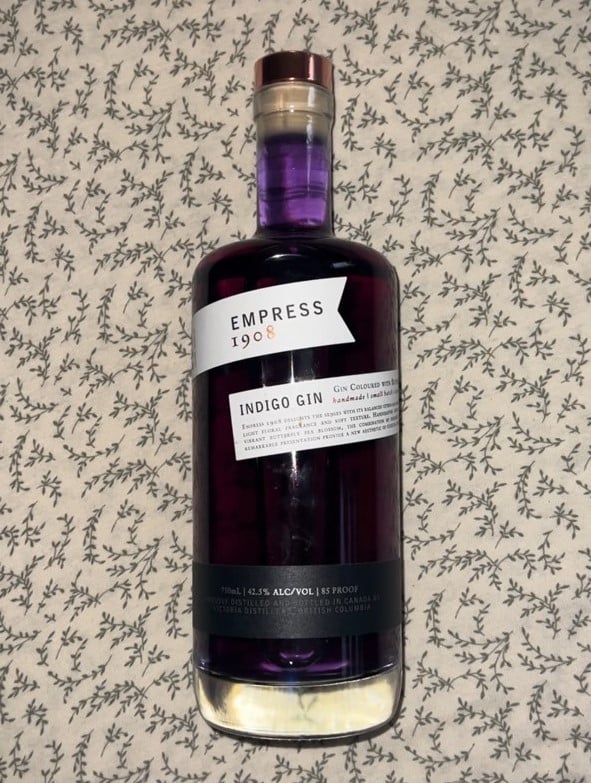 My first introduction to this plant was by learning about the coloring of Empress 1908 Indigo Gin. I was at my friend’s wedding and the groom had decided to have two signature cocktails offered during the ceremony. One of these was a cocktail called ‘The Aviation’. Rather than using standard gin, he had decided to use the Empress 1908 Indigo Gin in conjunction with creme de Violette syrup, making it a lovely shade of purple. While the drink wasn’t exactly to my taste, I loved the color and how it introduced me to butterfly pea. Empress 1908 gin uses a dye created from butterfly pea flower, giving the alcohol a rich purple hue that invites users to taste and mix the spirit for what is a magical experience of chemistry in your cup. When combined with other liquids of varying pH the anthocyanin, delphinidin, that is found in the flower works as an acid base indicator (Campbell, 2019). Which is just a fancy way of saying the beverage will change colors depending on the mixer.
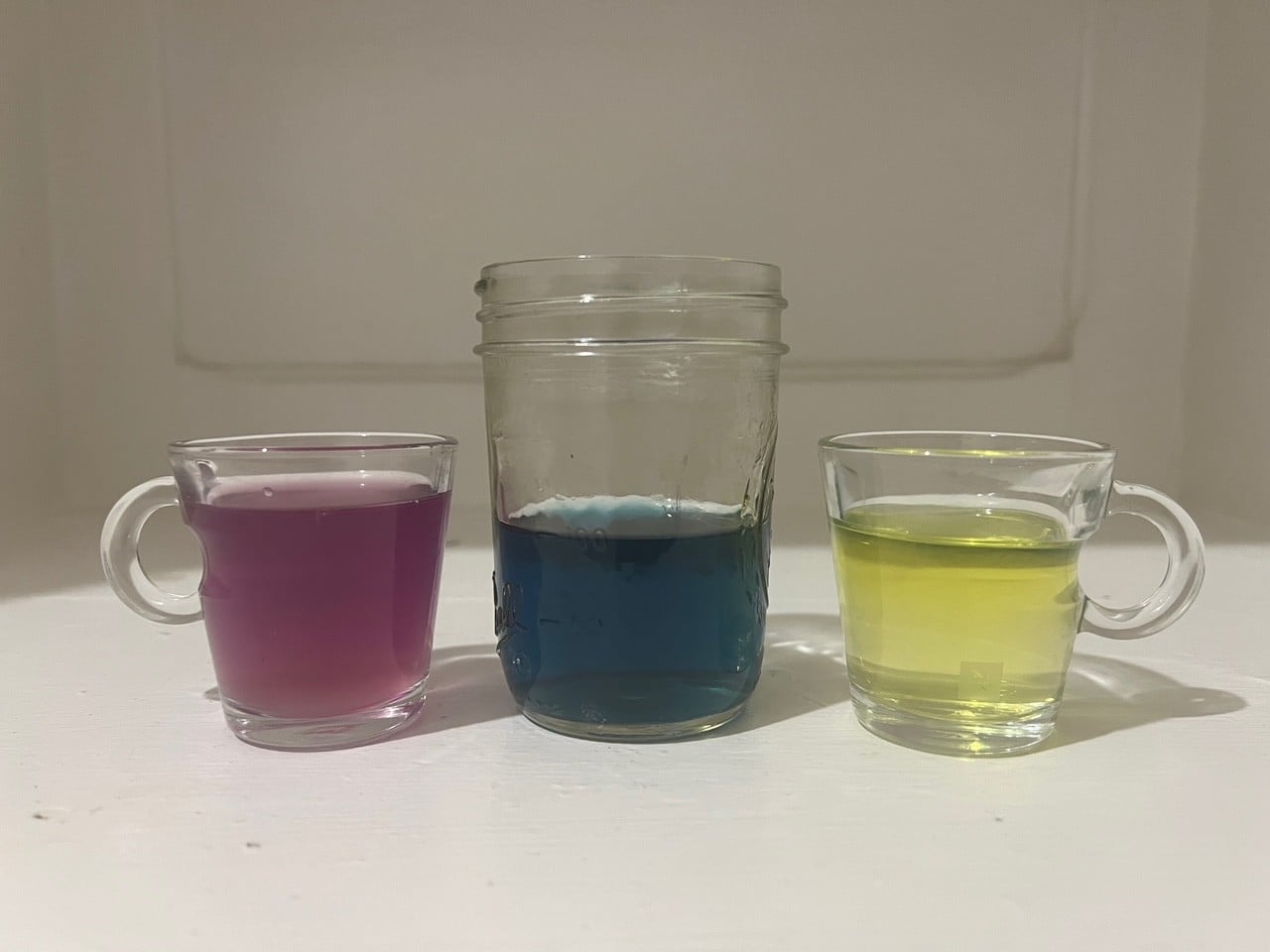
This plant in used in other beverages such as lattes and tea. I decided to take a spin at mixing my own butterfly pea flower tea with an acid and a base to see the plant in action. It was so beautiful! The tea with neutral water starts as a rich indigo color. When mixed with lemon juice, which has a pH between 2-3, I watched the liquid turn pink instantly! I decided to also mix the tea with bleach, a basic liquid with a pH between 11-13. The mixture quickly flashed to bright yellow, but the color almost instantly faded into a paler shade.
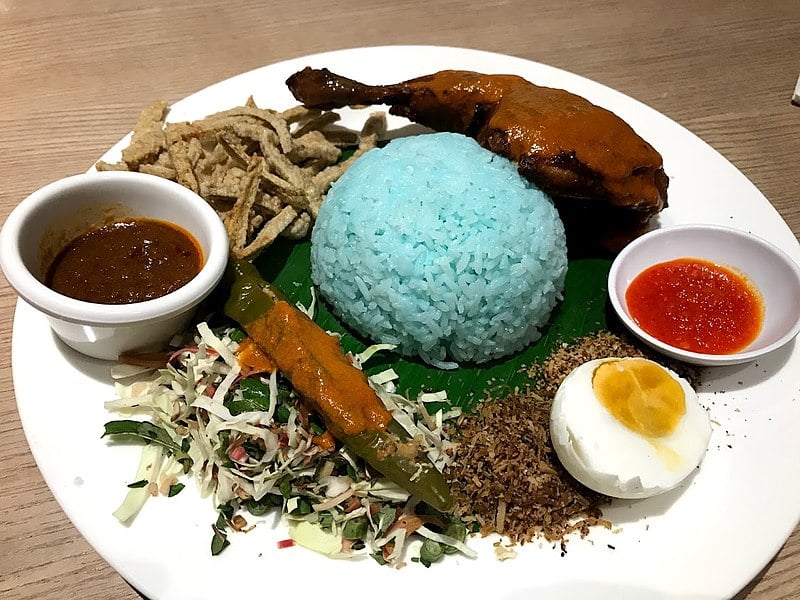 In the culinary world, butterfly pea flower is used in the popular Malaysian rice dish, nasi kerabu. By boiling the rice with the flowers, the rice becomes a light blue color which adds visually appealing contrast to the plate (Adisakwattana, 2020). Butterfly pea can also be used as a natural coloring agent in many other dishes that aren’t traditionally blue. Since butterfly pea can be purchased either as the flower or as a powder it’s possible to add to breads, pastries, and many other foods.
Medicinal
Butterfly pea flower has been used in traditional Ayurvedic medicine in the Indian subcontinent for many years. Each part of the plant can be used for different medicinal needs. Combinations of the leaves and roots of the plant have been used for treatment of infections, stings, and general body aches. The roots of the plant are used as a purgative, as treatment for fevers and arthritis, an antidepressant, for stress and anxiety, as well as a cognitive enhancer (Mukherjee, 2008). Butterfly pea is also used in traditional medicine in Cuba to help promote menstruation in women, as well as an aid for gut and liver ailments using a combination of the roots and flowers (Mukherjee, 2008).
 Due to the long-standing history of butterfly pea use in traditional medicine, scientists have researched the pharmacological uses of the plant. Some studies have shown that compounds in the plant demonstrate antimicrobial, local anesthetic, anti-inflammatory, anti-diabetic, antiarthritic, antioxidant, as well as cholesterol lowering properties (Oguis, 2020). Since most studies are still preliminary, more research is necessary.
Industrial uses
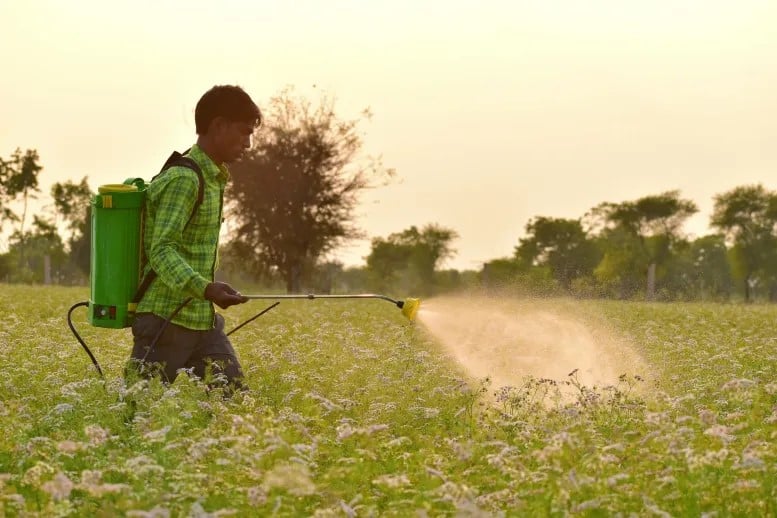 But wait, there’s more! Through extracting and isolating the compounds of butterfly pea, more ecofriendly pesticides can be created. Butterfly pea produces cyclotide peptides, which are used by all parts of the plant for defense against pests (Oguis, 2020). Recently, an Australian based pesticide company, Innovate Ag, released a pesticide called Sero-X. Sero-X is an ecofriendly pesticide that is marketed as non-toxic and bee-friendly due to its use of cyclotides that only target certain insects (Innovative Agriculture).