
 My entire life I have been an avid reader. As a child, I would consume books like pieces of candy. Books can teach you so much about the world around you, and are a formative form of media in many children’s growth. And one thing I have noticed about reading children’s books is how often they reference herbal plants, both as descriptions of scenery as well as how to use them.
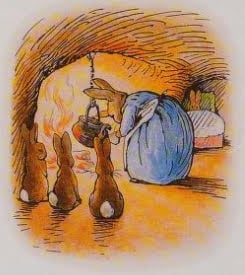
One of the earliest series of books I remember reading with my mother and siblings was the Peter Rabbit series by Beatrix Potter. Potter published a total of 23 tales within the Peter Rabbit universe, all with a focus on the critters and nature that they interact with throughout the stories. After gorging on food, Peter eats parsley (Petroselinum crispum) to settle his upset stomach. After his run in with Mr. McGregor, Peter drinks chamomile tea (Matricaria recutita) to calm his nerves before sleep (The Tale of Peter Rabbit). Many of her books reference common plants a child would know, and either give a use for them or talk about the beauty of the flowers or trees.
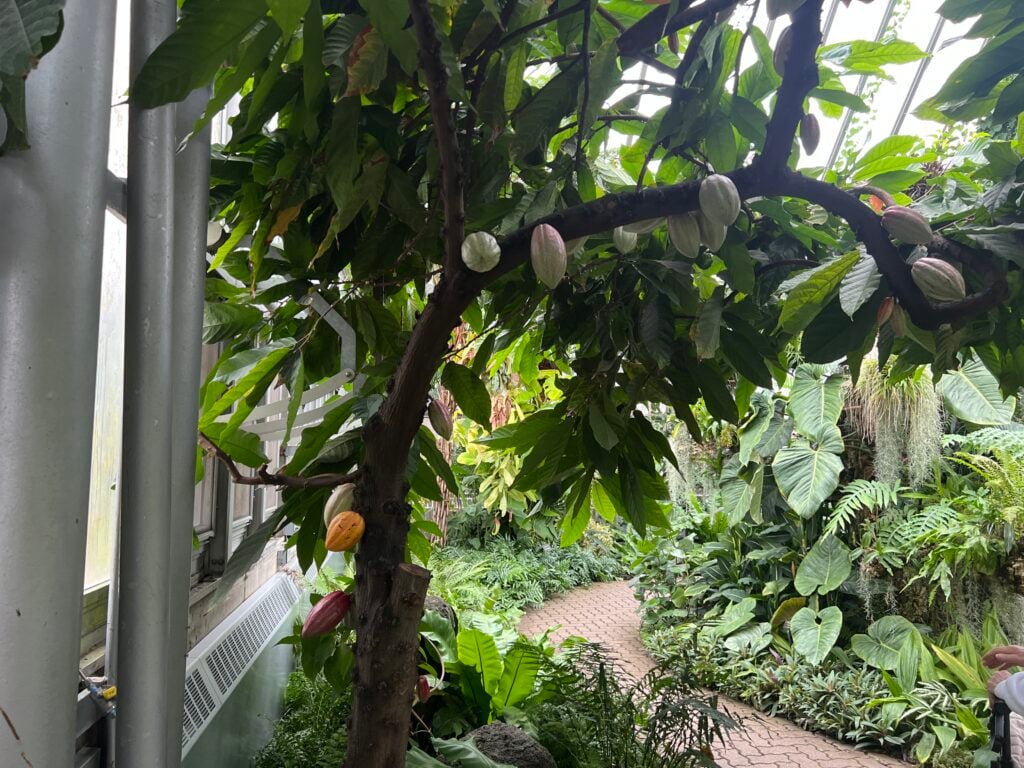 In Roald Dahl’s Charlie and the Chocolate Factory, Mr. Wonka describes to the children how the cacao bean on a cacao tree (Theobroma cacao) is the thing that chocolate is made from. By taking the common candy that everyone is familiar with and introducing how it is derived from the seed of a plant, it helps to contextualize for children the relationship between nature and what is consumed. Mr. Wonka’s chocolate factory would not exist without the industry of growing and harvesting cacao seeds.
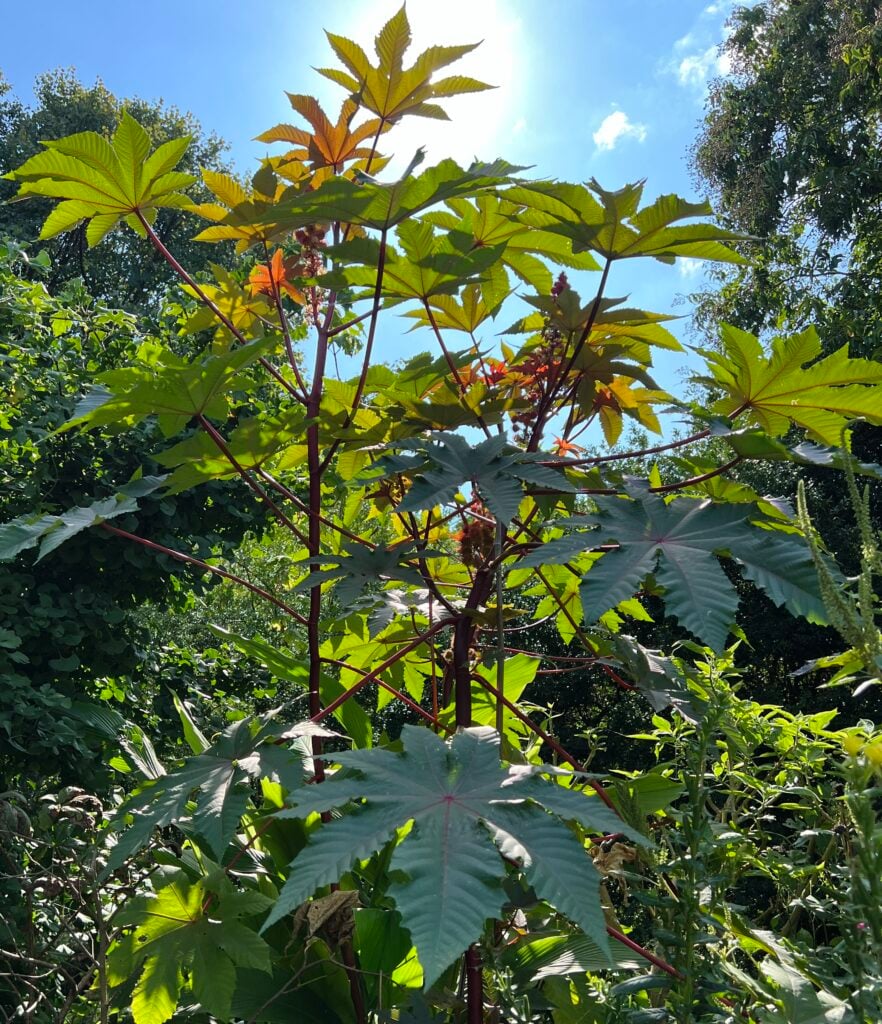 As a lover of claymation, I recently read the book that inspired the newest film from Laika Studio, Wildwood by Colin Meloy. This book focuses on the quest of a little girl going to save her brother who has been kidnapped by crows and the evil beings of the local forest. When injured in the forest, the main character has her sprained ankle wrapped in a poultice of turmeric (Curcuma longa) and castor leaves (Ricinus communis). I think showcasing medicinal plants is a huge part of teaching children within books as well. Plants are our original medicines. Whereas some kids may know what turmeric is from having it in their family’s kitchen, reading about both castor leaves and turmeric together can help lead children to research more into how these plants are used in healing.
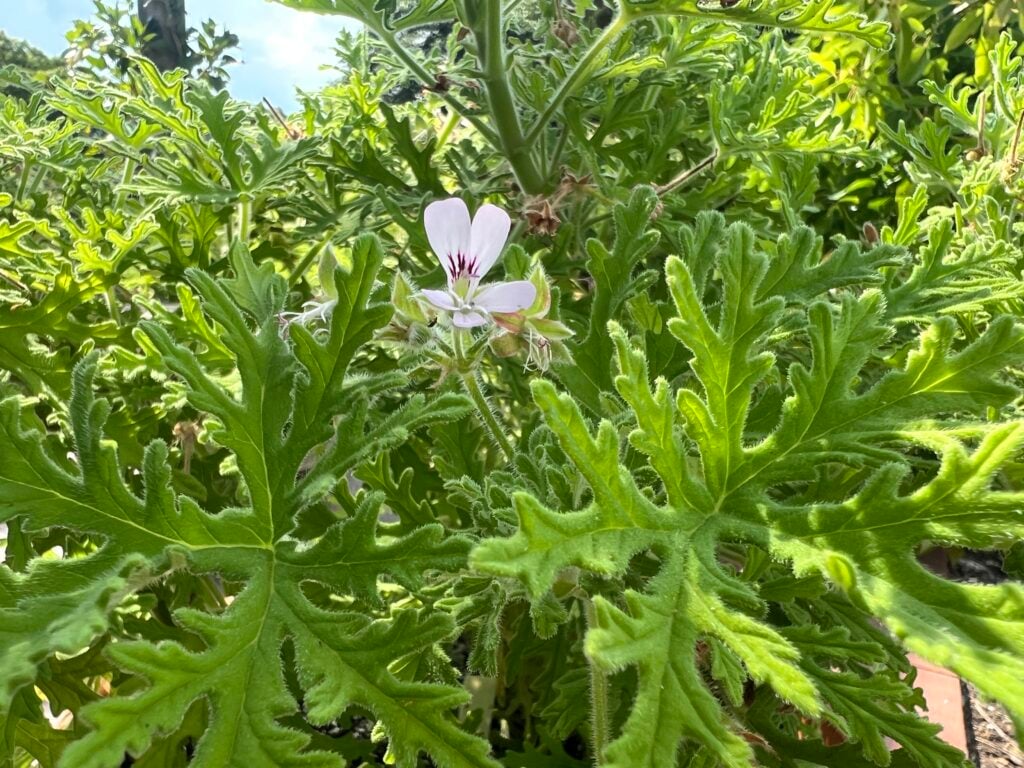 Sometimes the herbal references are also whimsical. I think my favorite one I found on my journey of reading children’s books was in the Anne of Green Gables series by L.M. Montgomery. When talking to Marilla after moving into the house at Green Gables, Anne asks Marilla, “What is the name of the geranium on the window-sill, please?” “That’s the apple-scented geranium.” ‘Oh, I don’t mean that sort of a name. I mean just a name you gave it yourself. Didn’t you give it a name? May I give it one then? May I call it—let me see—Bonny would do—may I call it Bonny while I’m here? Oh, do let me!”. While this references a scented geranium (Pelargonium odoratissimum) it also demonstrates the whimsyness of childhood and the connection children have with plants as they grow.
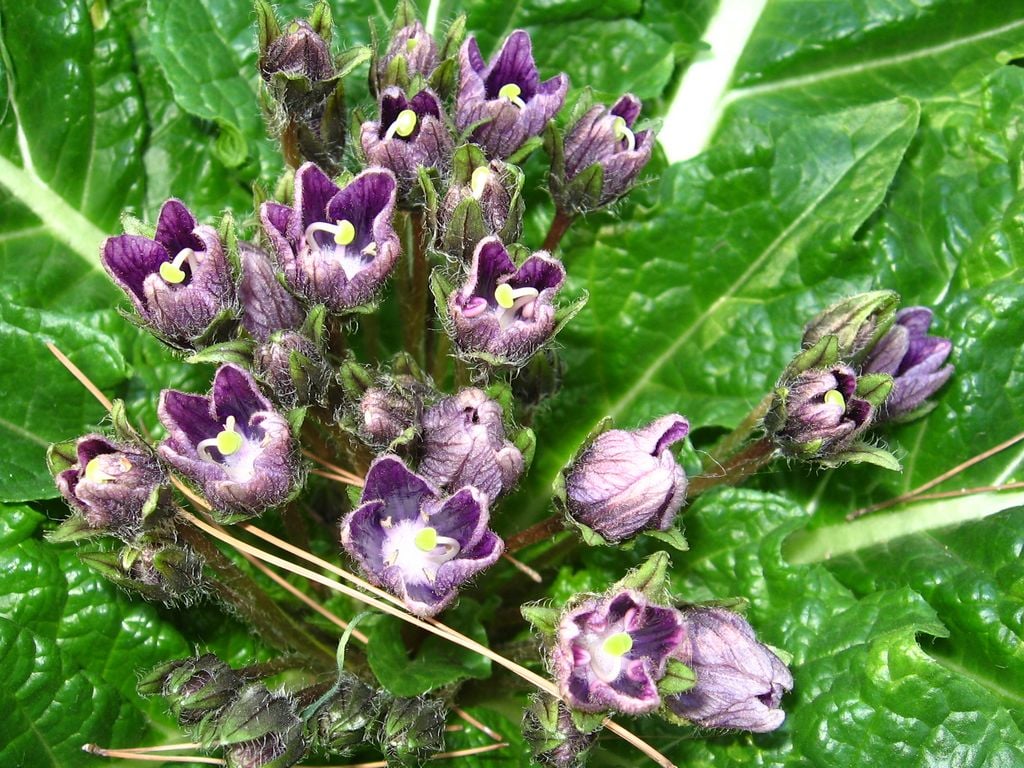 The Harry Potter series by J.K. Rowling is laced full of real plants that are used within the magic potions Harry and his friends create, such as mandrake (Mandragora officinarum), Artemisia spp., and wolfsbane (Aconitum spp.). Each of these plants have been associated with healing and folklore throughout history, and some of these stories have continued into modern literature. While mandrake is used as a restorative and to return people from being cursed within the wizarding world, the plant also screams and can kill a person with its sound. While the roots of the plant do look like a little person when dug up it does not scream. According to folklore mandrake was deadly to dig up so dogs were used to do the task as sacrifices instead (Frazer, 1917).
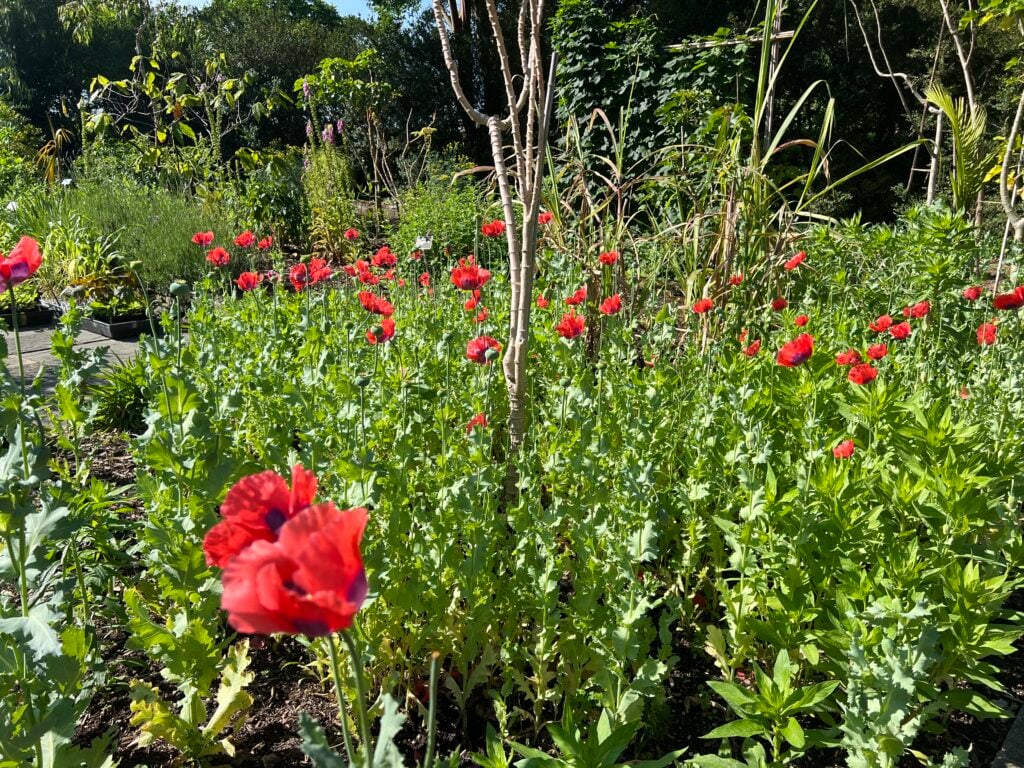 In The Wizard of Oz by L. Frank Baum, Dorothy finds herself getting drowsy while walking through the poppy fields. In the real world the opium poppy (Papaver somniferum) is used as a sedative, which is reflected in its scientific name – somniferum.
Herbs are in everything around us, especially in the details of what has shaped our literature growing up. What books did you enjoy as a kid that referenced herbal plants?