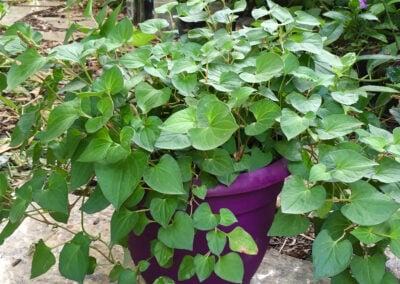
 Spring is a great time to learn to forage and enjoy many tonic wild and domestic potherbs. I love the plants and herbs of the season because they represent lightening up. They allow the body to lessen the effects of the denser foods of winter and they provide us with lighter, fresher foods to enjoy.
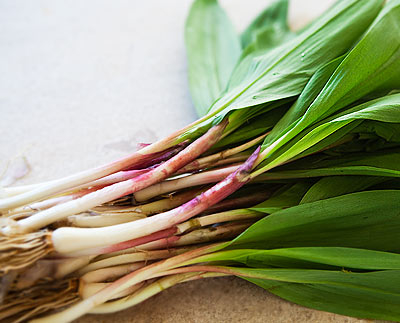
In many parts of the country, wild greens like ramps, dandelions, violet leaves, chickweed, purslane and fiddlehead ferns are appearing. Mixed with arugula and fresh kale they create a cooling spring salad. Simply toss them with a bit of feta cheese, a sprinkle of pink Himalayan salt and fresh herbs of your choice; then dress them with olive oil and lemon juice.
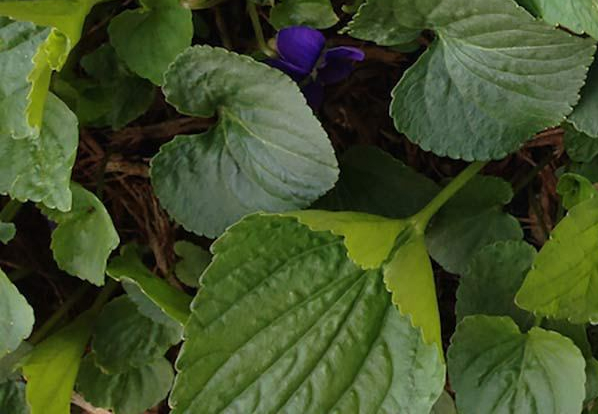 I make springtime juice out of these same wild greens, including stinging nettles when I can find them. Stinging nettles were historically used as a digestif, but also as a detoxifying support for the lymphatic system. They are rich in vitamins A and C and are a great source of iron, potassium and calcium. They are a truly delicious spring green. REMEMBER: Blanch nettles in boiling water for at least two minutes or they will live up to their stinging reputation.
For juice run your foraged greens through a juicer. Add parsley, Swiss chard, spinach and, for sweetness, include squeezed fresh lemon or orange juice and an apple or two. This is a cooling, nourishing and refreshing juice to start the morning.
Another of my favorite springtime tonics is green tea. I drink them iced and sparkling with additions of fresh citrus fruits, berries, cucumber slices. I make them with herbs like Holy basil, sage and mint as an aid for cleansing and brightening a wintery digestive system.
A spring tonic can be created by putting loose Yerba Mate and fresh herb leaves into a French press, cover with boiled water and steep for 10 minutes before pressing the plunger. (Note: If you’re sensitive to caffeine, Yerba Mate has quite a lot of it, so perhaps you might try a fruity red rooibos tea instead.) Adding a touch of raw honey or maple syrup will add sweetness and a lovely constant energy for the day. Both have additional health benefits.
If you’re avoiding sugar, the leaves of the Stevia plant are a natural sweetener, even sweeter than cane sugar. Stevia is easy to grow, or you can buy fresh Stevia leaves online or in your local health food grocery store.
Be certain that you have correctly identified wild plants. And, remember to consult your health care provider before eating wild foods or herbs which may have powerful effects and be contraindicative with medicines or supplements.