Chairman of Education for The Western Reserve Herb Society Unit of The Herb Society of America
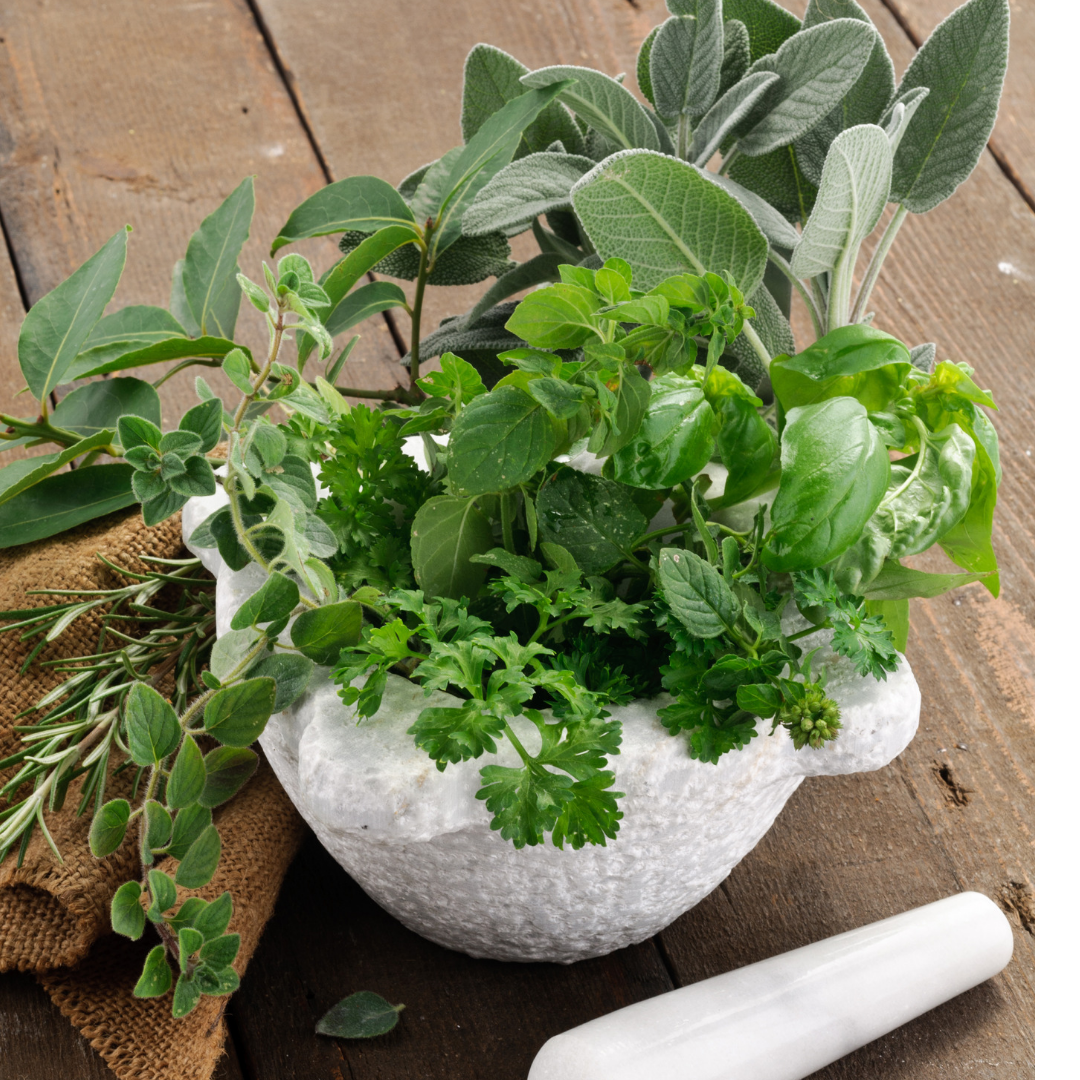 “Are you going to Scarborough Fair? Parsley, sage, rosemary, and thyme.
Remember me to one who lives there, she once was a true love of mine. —
Scarborough Fair/Canticle – Simon and Garfunkel
Immortalized in songs and sonnets, sage (Salvia officinalis) is planted in romantic cloisters and medieval knot gardens that have been hidden for centuries behind castle walls. It comes in so many different varieties and I try to plant as many as I can, adoring them for their flowers which my hummingbirds love and the velvety, scented leaves that flavor my soups and stews throughout the year.
There are sacred sages, culinary sages, and even a psychoactive sage –the gorgeous yet very dangerous Salvia divinorum. I have found sages growing wild in Colorado and Arizona and have picked big bouquets of long-stemmed, sacred white sage (Salvia apiana) in Wyoming where it grows abundantly along the Snake River.
 Indigenous Americans have considered sage to be a most sacred herb; they burned sage-leaf smudge sticks to banish negativity or the lingering emotions from long illness or trauma. They also used the wet leaves in sweat lodges to produce smoke that would open the nasal passages and lungs.
Sage is an ancient herb, beloved for centuries in Europe and on this continent for its medicinal and antibacterial qualities and, of course, for the musky, earthy flavor that blends so beautifully with so many things. Indeed, the associations that we have in America with the aroma of sage are of hearth and home. Think roasting chicken and turkey.
 Sage Derby, that remarkable English cheese, has its origins in the 17th century when sage leaves were added to fresh derby curds to produce a delicious cheese enjoyed at harvest and holiday feasts. These days, fresh sage is still added at the beginning of the process and chlorophyll too, so that the cheese has a beautiful marbling of green throughout.
I love to boil two cups of fresh sage, one cup of crystallized ginger, one cup of brown sugar, and three cups of water to make into a delightful syrup that makes a relaxing and restorative digestive when stirred into a glass of white wine or green tea.
If you don’t have different sage plants this year, start planning for next. Remember the beautifully fragrant clary sage (Salvia sclarea) and luscious pineapple sage (Salvia elegans).
Warning … thujone, found in sage, can be dangerous to those taking medication for high blood pressure or high blood sugar.
Always talk to your Doctor or pharmacist before using sage or any other herb for wellness to make sure that it doesn’t contraindicate in any way with any medical conditions that you may have.