 People have had a relationship with herbs for thousands of years. They are consumed as food or flavoring and act as normalizers supporting natural health.
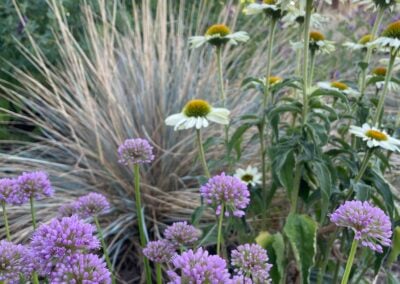
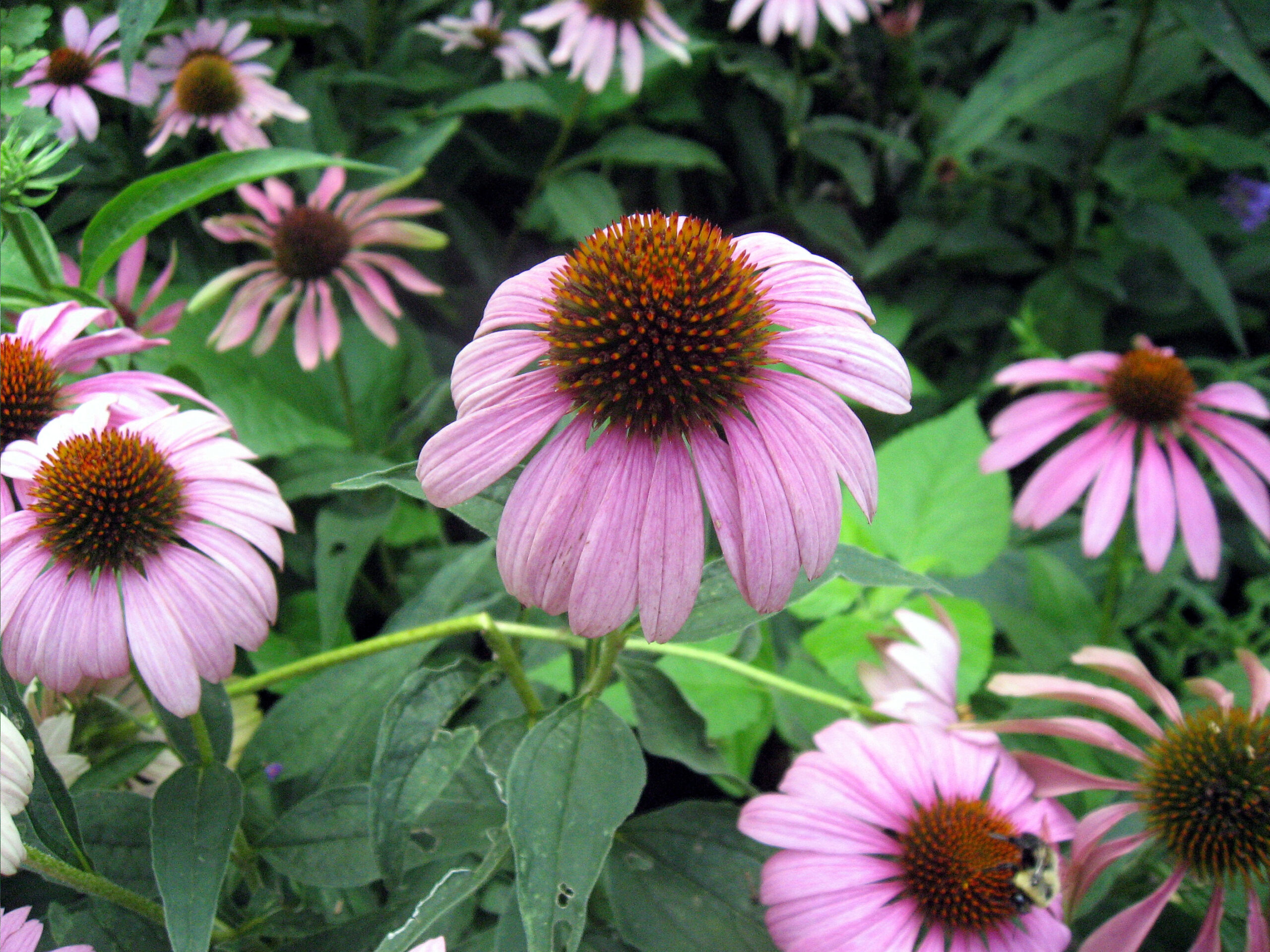
They are also consumed or used topically as medicines. Plants like echinacea have many chemicals which work synergistically to support the immune system and help fight infections. Plants like foxglove have specific constituents which act intensely and are used specifically (in this case for the effect of digoxin in treating heart conditions).
In all parts of the world, indigenous populations take advantage of the local plant life. In the US, notable natives feature prominently in medicinal formulations across the country. Bee balm (Monarda fistulosa) is found in Blackfoot, Cherokee, Chippewa, Crow, Flathead, Lakota, Mesawaki, Ojibwa and Tewa recipes to treat colds, coughs, and fevers.
 Studies have found that bee balm contains many active constituents: the phenol, thymol, which protects the plant from microbial and fungal infections and does the same when consumed by people; the monoterpene linalool, which has an odor that attracts pollinating insects and acts as an antiseptic; and beta-phellandrene, which has antioxidant actions in plants, protecting them from UV radiation and in humans can act as an expectorant to relieve catarrh (mucus) and promote productive cough.
Bee Balm Infusion
2 tsp dried aerial parts in 1 cup boiling water, steep 5 minutes.
Drink as needed to help relieve symptoms of colds, flu, and upper respiratory problems.
Sautéed Nettles
 Harvest nettles wearing gloves.
With gloves still on, swish nettles around in a large basin filled with cool water.
Lift the nettles out and drain.
Squeeze the nettles as dry as possible.
Heat a large pan over high heat with your preferred cooking oil.
Add nettles and cook, stirring frequently, until the greens are tender – about 5 to 8 minutes.
Sprinkle the nettles with salt to taste and serve immediately.
Join Vicki Abrams Motz for her upcoming webinar: Notable Native Ethnopharmacology on April 16, 2024, 1PM Eastern. She will consider several notable natives which are used medicinally by indigenous populations across the country, looking at how they are used and what chemical constituents are found in the plants which would explain their medical properties. Our webinars are free to The Herb Society of America members and $7.50 for guests. Become a member today, and enjoy all of our webinars for free along with access to the webinar library with over fifty program titles. To register, visit https://www.herbsociety.org/hsa-learn/herb-education/hsa-webinars/