‘There’s rosemary, that’s for remembrance; pray, love, remember: and there is pansies. that’s for thoughts.’ (Hamlet 4.5.248)
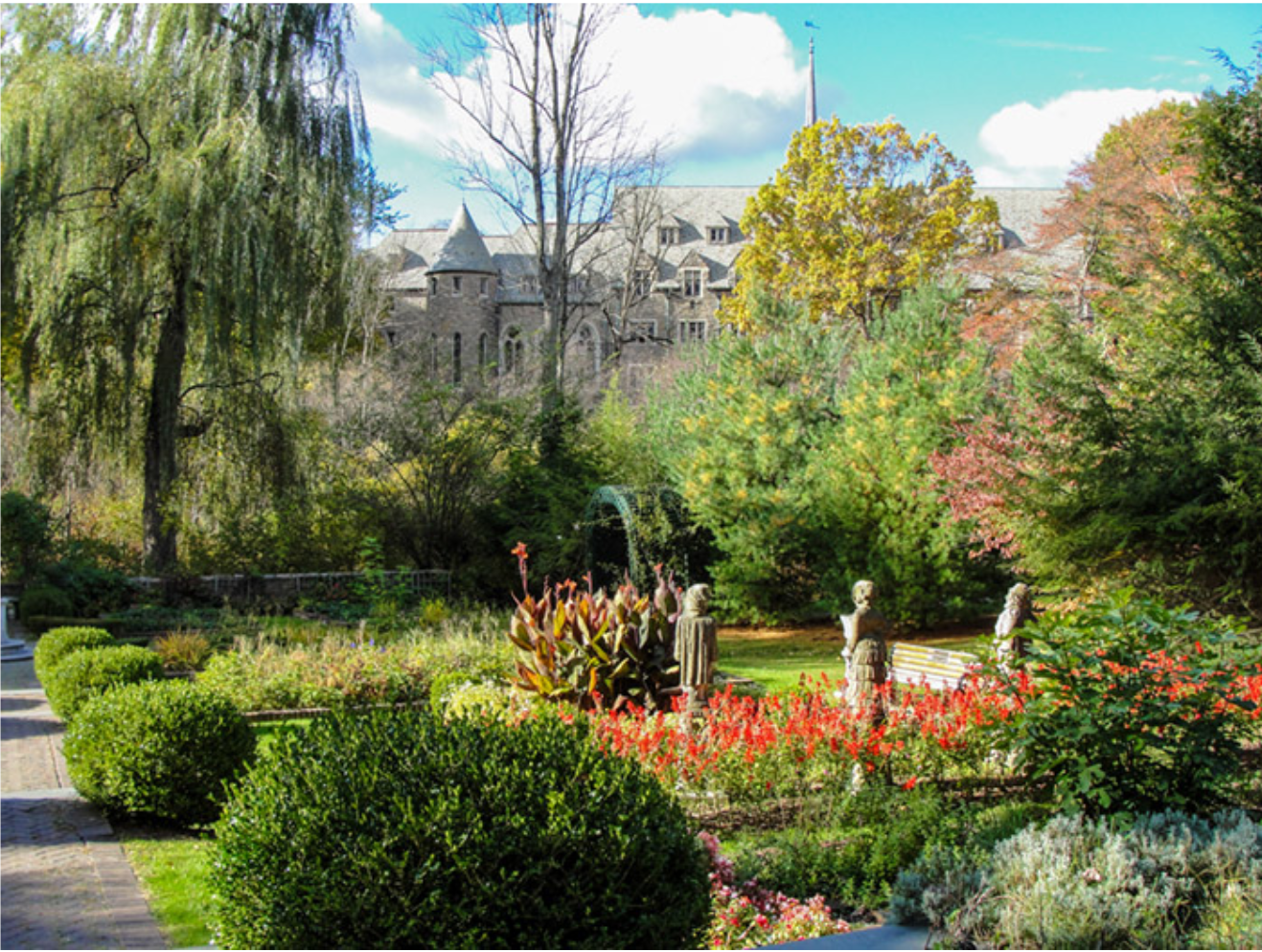 William Shakespeare’s poetic plays are filled with dramatic imagery and references to plants, herbs, trees, vegetables, and other botanicals. Shakespeare’s awareness of the botanical world was near the level of herbalists of that period, and the use of plants throughout his plays is done with unparalleled sophistication. They are used to enhance ideas and describe characters, as well as for metaphors. For example, Hamlet describes the state of Denmark as “…an unweeded garden / That grows to seed; things rank and gross in nature” (Hamlet 1.22.134-136).
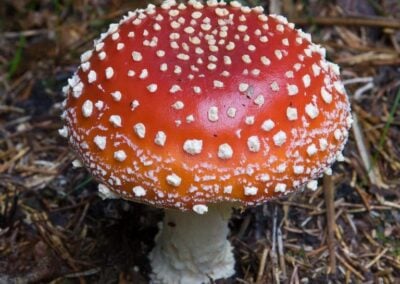
Plants are used for evil doings and central plot development. They are transformed into potions that are lust invoking, (Viola tricolor in Midsummer Nights Dream), sleep inducing (Atropa belladonna in Romeo and Juliet), and as poisons for dipping swords and arrows (Hyoscyamus niger in Hamlet). As All Hallows’ Eve approaches, what better time to explore the dark side of botanicals by learning about the many plants cited by Shakespeare.
 Join HSA on October 22nd at 1pm EDT for Hamlet’s Poison: The Mystery of Hebanon & Shakespeare’s Other Deadly Plants, with guest speaker and author Gerit Quealy. During this program Gerit Quealy will take a Law & Order approach to Shakespeare’s poison plants, including what killed Hamlet’s father. The symptoms of the various specimens will be examined, along with the use of forensic evidence, to catch the conscience of the king! Our webinars are free to members and $5.00 for guests. Visit https://www.herbsociety.org/hsa-learn/hsa-webinars or click here to sign up.
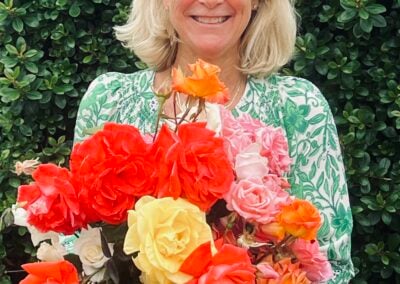
 Gerit Quealy is an author, actor, and journalist. Her 2017 publication, Botanical Shakespeare (Harper Design/HarperCollins), reveals Shakespeare’s keen awareness of botany alongside his ability to catapult nature into the land of emotion and metaphor, creating some of the world’s most unforgettable passages. The over 170 flowers, fruits, grains, grasses, trees, herbs, seeds, and vegetables that are named in Shakespeare’s poems and plays, alongside all the lines in which they appear, are highlighted in this unique book. As a journalist, she has covered everything from lipstick to Shakespeare, with pieces ranging from dollhouses to birdhouses to beauty, brownies, and brides in outlets including The New York Times, Country Living, Woman’s Day, and Modern Bride, to name a few.