
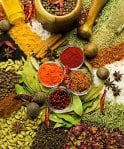
 The question often comes up regarding how people knew which plants had medicinal value and what conditions they could be used to treat. It’s been suggested that humans followed the animals. If an animal ate a plant, it was probably safe to eat as food. Over time it was probably recognized that not only did the plants provide nourishment, they also treated a variety of ailments. This knowledge was passed down over generations within families and villages through local healers. A variety of plants with medicinal value were discovered when Shanidar IV, a 60,000-year-old neanderthal man, was uncovered in a burial site in Northern Iraq, and mushrooms used to treat tapeworms were found with Otzi the Iceman, who was buried in the Alps about 5000 BC. The questions that remain are, what were these plants used for and why were they there (1, 2)?
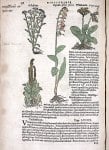 The oldest written evidence of using plants as medicine are the Sumerian Clay Slabs from Nagpur, India. The slabs are approximately 5000 years old and contain 12 recipes for drug preparation, using over 50 plants such as poppy, henbane, and mandrake. Pen T’Sao, the Chinese book on roots and grasses from about 2500 BC, contains 365 drugs such as Rhei (rhubarb) rhizome, camphor, gentian, and ephedra, among others. This was followed by the Ebers Papyrus from Egypt in 1550 BC with over 800 prescriptions using over 700 plants such as pomegranate, garlic, onion, aloe, castor oil, senna, and willow.
Theophrastus, the father of botany, was a Greek philosopher who wrote seminal books on the etiology and history of plants. He classified over 500 plants and underscored the importance of humans becoming accustomed to the effects of medical plants with gradual increases in dose. Dioscorides, the father of pharmacognosy, the branch of pharmacology dealing with plant-derived medicines, wrote De Materia Medica, the first officially recognized pharmacopeia. Li Shizhen wrote the Compendia of Materia Medica, also known as the Bencao Gangmu or Pen-Tsao Kang-mu, during the Ming Dynasty. This is probably the most comprehensive medical book written on the history of traditional Chinese medicine and includes approximately 1900 entries of plants, animals, and minerals believed to have medicinal properties. This publication is important because it is one of the first to discuss the importance of using animal parts and minerals in the treatment of illness.
 Over time, rather than continuing to forage for plants, botanical gardens began to be planted to grow commonly used plants. The first botanical garden in the world is believed to be the Royal Garden of King Thutmose III, planted in Egypt in approximately 1000 BC. Other gardens were subsequently planted around the world - along the Mediterranean, in China, central Europe, and Mexico. The first botanical garden planted in the United States was Bartram’s Garden planted in Philadelphia in 1728 (3).
 The activity and potency of the active medicinal agent depends on the plant species, the part of the plant used, the climate/microclimate, geography, sun exposure, moisture, soil nutrient content, season of harvesting, and method of storing. The types of preparations used to treat illness include compresses, crude herbs, decoctions, elixirs, infusions, ointments, powders, poultices, tinctures, and tonics. The early 19th century was a turning point for medicine in the United States and the beginning of scientific pharmacy. The first American pharmacopeia and dispensatory were published in the early 1800s (4, 5). The first formal pharmaceutical companies such as Tilden; McKesson and Robbins; Pfizer; Sharp and Dohme; Squibb; and Wyeth began to emerge in the early to mid-1800s. During the American Civil War, the Union and Confederate Medical Corps had Standard Supply Tables outlining the medical plants to have on hand and their quantity, indication, and dose (6, 7).
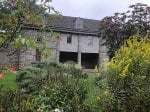
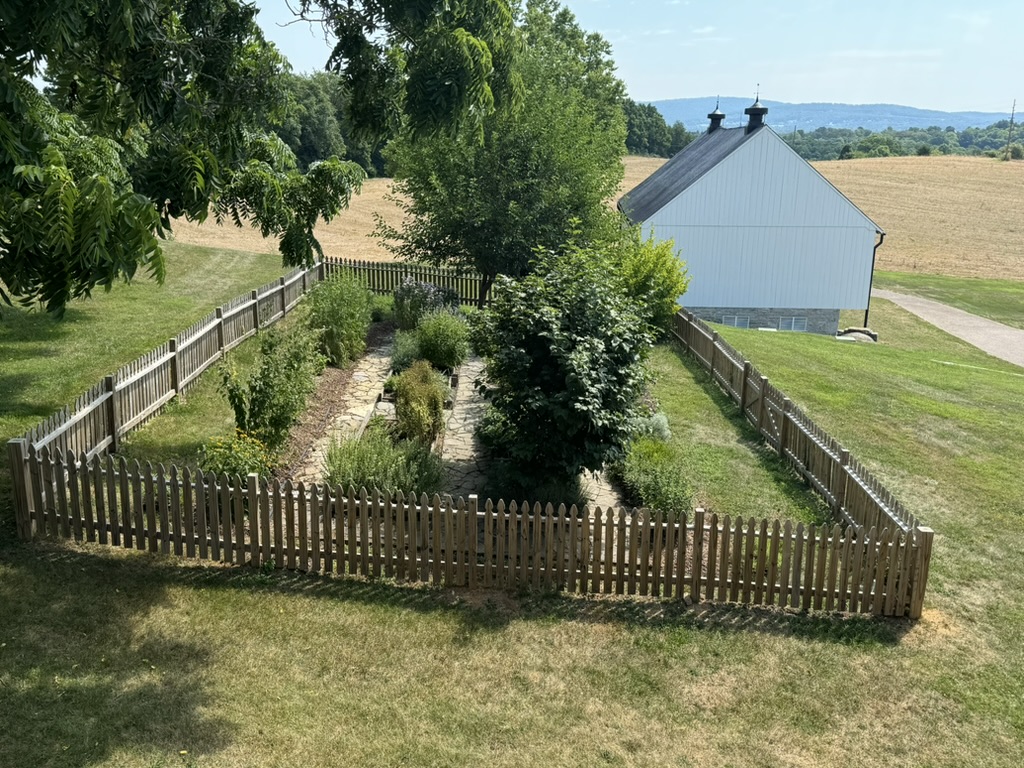 The Pry House Medicinal Garden is located at the Pry House Field Hospital Museum on the Antietam National Battlefield in Keedysville, MD (8). The restoration of the garden began in 2016 and has continued since then. The purpose of the garden is to represent plants commonly used as a source of medicine during the mid-19th century. The garden is strictly an ornamental garden which continues to evolve and currently has between 40 and 50 medical plants. Plants are chosen and vetted through a variety of 19th century medical and pharmaceutical textbooks.
 Looking forward, the World Health Organization (WHO) publishes a monograph series on medicinal plants and states “Traditional medicine implies the knowledge and practice of herbal healing for the prevention, diagnosis, and elimination of physical, mental, or social imbalance” (9). Eighty percent of the world’s population, primarily in developing countries, continually rely on plant-derived medicines for primary healthcare needs. A significant number of drugs prescribed worldwide are still derived from plants and several of the WHO Model List of Essential Medicines are exclusively of plant origin such as morphine, colchicine, quinidine, atropine, hyoscyamine, digoxin, and vincristine, among others (10). Current sales of herbal supplements in the US exceed $12 billion per year (11). Over the last 25 years new, more scientifically rigorous research has verified or refuted the medical benefits of plants-based medicinal products. India is currently the medicinal garden of the world with over 40% of its flora considered to have potential medicinal value (12,13).
 Lastly, there has been a growing misbelief and promotion of the idea that natural products are not considered drugs or are safer than drugs synthesized in the lab. The reality is that the body cannot determine where the drug originated, in the lab or from a plant (14). The FDA defines a drug as “A substance intended in the diagnosis, cure, mitigation, treatment or prevention of disease” (15). In a broad sense a drug, even a plant-based drug, is a potential poison that in the wrong dose or in the wrong patient can do harm. Many reports have appeared in the medical and lay press documenting harm and death to individuals who have consumed these products. It is important that persons wishing to take natural products for health-related issues talk to their health care providers before taking them.
Join Dr. Greg Susla for his upcoming webinar Flowers to Pharmaceuticals, on Thursday, February 20 at 1pm Eastern. He’ll review the origin and evolution of plant-based medicines, as well as the critical aspects of how plant-based medicines were used throughout history. A discussion of the current investigations into the role plant-based medicines may have in modern medicine is also included in the presentation. Our webinars are free to The Herb Society of America members and $10.00 for guests. Become a member today, and enjoy all of our webinars for free along with access to the webinar library with over fifty program titles. To register, visit https://www.herbsociety.org/hsa-learn/herb-education/hsa-webinars/