Holiday merriment is over and winter has begun in earnest. As a way of winding down, so many of us seem to get sick in January. I believe that, sometimes, catching a bug is the body’s way of getting us to relax. Periods of hibernation, or seasonal contemplation as I’ve taken to calling it, are a must for keeping our bodies resilient.
Over the years I’ve learned to use lifestyle and herbal allies to minimize my symptoms and overall discomfort.
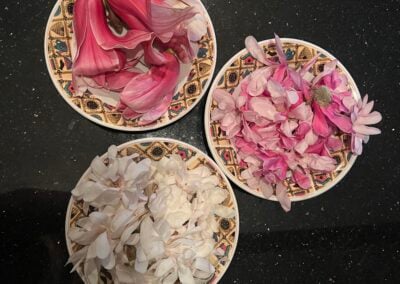
My mother taught me many years ago that the most important thing to do when ill is to pamper yourself. She would bring breakfast on a bed tray, served with pretty dishes and with a bud vase with flowers.
The other thing my mother was insistent about was using a bit of lip gloss, facial moisturizer and a touch of perfume while wearing lovely pajamas. She’d brush out my hair until it was shiny, touch up my lips and face (a big help because then your skin will resist chapping) and put just a drop or two of one of her lovely perfumes on my wrists and neck.
When I looked in the mirror I looked better than I felt and you know what? I started to feel better. Simply taking the time for a bit of self-care seems to support the healing process.
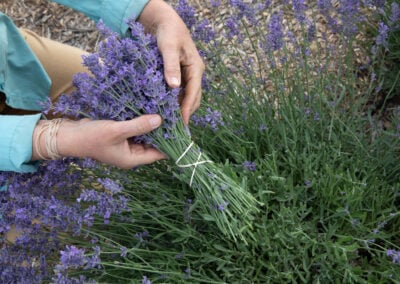
Over the years I’ve added herbal baths to the regimen. I mix a tablespoon of sweet almond oil with three drops each of essential oils of lavender (relaxing), rose oil (anti-inflammatory), and sweet birch (to promote sweating). This really seems to help with congestion, aches and fevers.
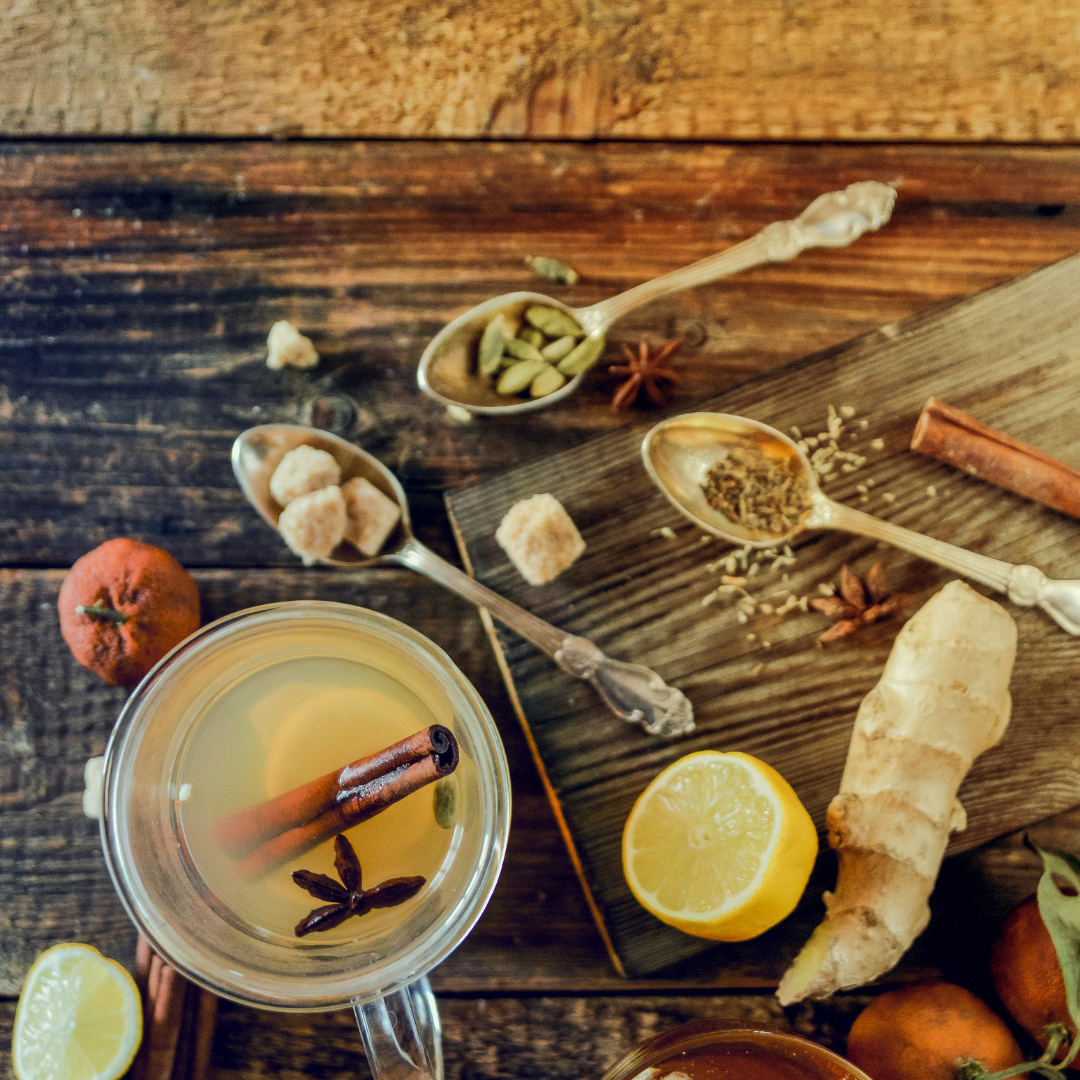
While soaking I sip a tea made with cayenne pepper, lemon peel, orange peel, dried mustard, fresh ginger, preserved ginger, dried sage, cardamom and honey. I put a quarter of a teaspoon of each ingredient into a teapot of boiling water and let it steep. Then I strain and add local honey to taste. This tastes better than it sounds and helps loosen congestion.
Make sure to take some seed catalogs into the tub as well because dreaming of new spring gardens always helps any herb lady feel better!