 Cumin, Cuminum cyminum, is The Herb Society of America’s Herb of the Month for February. When used in cooking, this spice infuses a warm and earthy flavor into dishes, which is especially welcome during the winter months. Cumin is native to Egypt and is cultivated in southern Europe and Asia. According to a United Nations report, India produces about 70% of the world’s cumin and exports the spice to 150 countries (Bailey, 2022). After black pepper, it is the second most popular spice in the world.
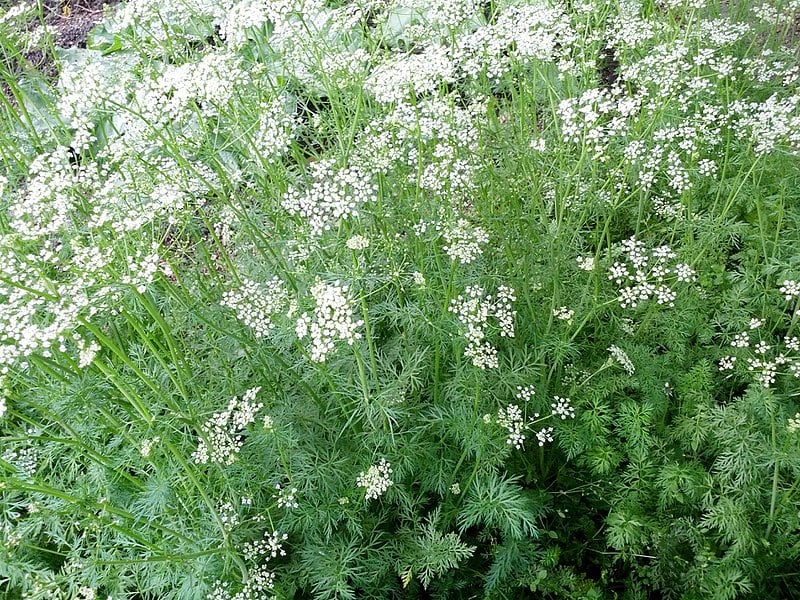
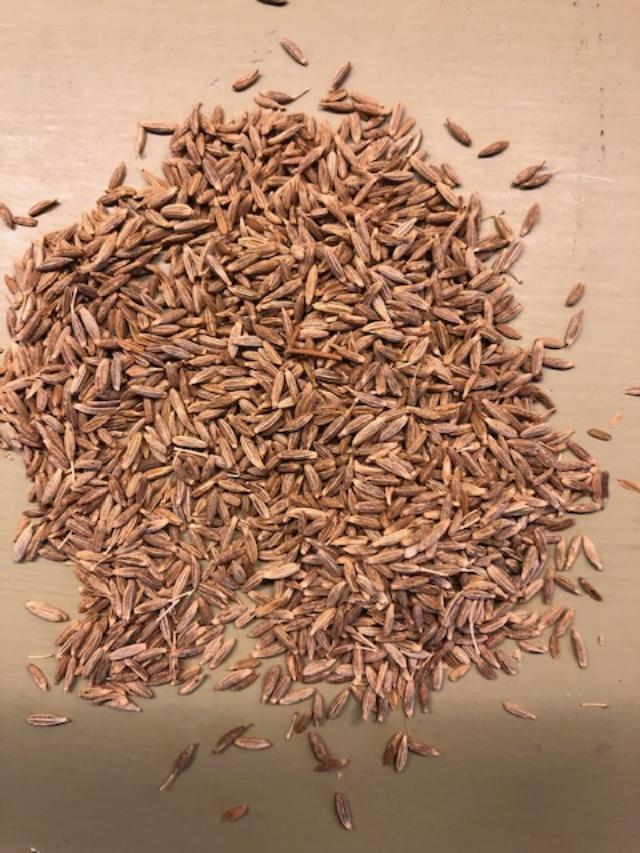 Cumin is an annual herb in the parsley family (Apiaceae). The seed that it produces is also called cumin. It requires a long, warm growing season of 120-150 days to produce the seed. In cooler climates seeds can be started indoors and then transplanted into the garden, although they may not transplant well. Cumin needs full sun and fertile, well-draining soil. Root rot can be a problem if the soil does not drain well. The plant reaches a height of about one foot tall and has feathery looking leaves and pink or white flowers. The seeds are small and boat-shaped with ridges and are very fragrant. They look similar to caraway seeds. Cumin is available as a whole seed or as a powder. Fresh leaves of the plant can be chopped and tossed into salads.
 Cumin seeds have been discovered in 4,000-year-old excavations in Syria and Egypt. Cumin was used in the mummification process of Egyptian pharaohs. References to cumin are found in the Bible, both the New and Old Testaments. During Roman times, it was associated with being frugal with money. Marcus Aurelius, Roman Emperor from 161-180 AD, had the nickname Marcus Cuminus because his subjects thought he was reluctant to spend money. In the Middle Ages, cumin was baked into bread, and it was thought that eating this bread would keep a lover faithful. Soldiers carried it in their pockets for good luck and people fed it to chickens thinking that it kept them from wandering away (Great American Spice Company, 2020). The Hindus considered cumin to be a symbol of fidelity. Cumin was used to pay rent in 13th century England. Records show that King Henry III, ruler of England from 1216-1272, bought 20 pounds of cumin at a time (Maskevich, 2015). When Spanish and Portuguese traders began sailing to the New World in the 15th century, cumin was one of the spices that they brought to the Americas. Southwest US, South American, and Middle American peoples quickly integrated cumin, which they called comino, into their cuisines.
 There were medicinal uses for cumin in early history. Early Egyptians used it to treat digestive and chest issues and for reducing pain. Fourth and fifth century BC Greek medical texts show that cumin was used for women’s reproductive problems and to treat hysteria. Medicinal use of cumin was popular throughout the Middle Ages. Today, cumin is used in Ayurvedic medicine as a stimulant for digestion and is prescribed for colic and dyspepsia. It is also still used in Egyptian and Chinese herbal medicine.
But the real value of cumin is in its use as a culinary spice. Recipes using cumin are found in ancient cookbooks dating back to 1750 BC (Bailey, 2022). It is a spice that loses its flavor with age, so it’s recommended to buy cumin in small quantities and replace it often. To get the most flavor from cumin, it can be lightly toasted in the oven and then ground in a mortar and pestle or spice grinder (Kreighbaum, 2022). Cumin is often included in spice blends such as curry powder, chili powder, garam masala, adobo, berbere and other spice mixtures.
Some say that cumin is always on the table somewhere in the world. Here are some examples of its uses: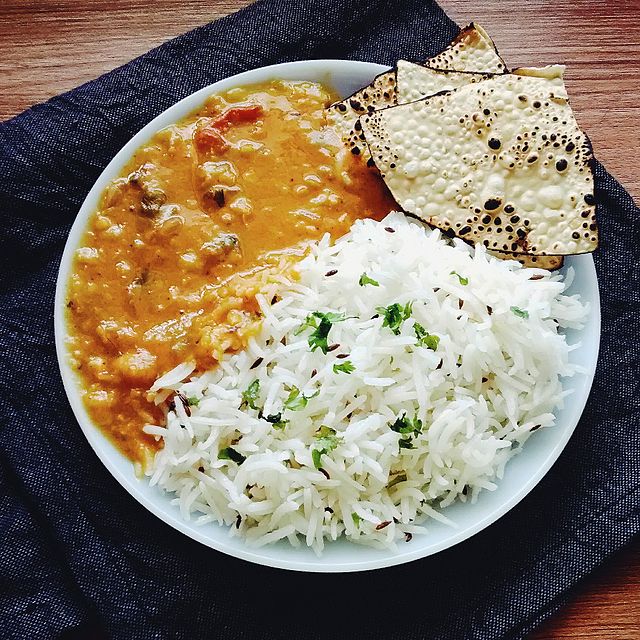
- Indian cuisine: Used in curries, dals, rice, ghee, and other traditional dishes
- Middle Eastern cuisine: Flavors kebabs, lentils, and bean dishes
- Mexican cuisine: Key ingredient in moles, enchiladas, and tamales
- Mediterranean cuisine: Enhances flavor in meat dishes, vegetables, and bread
- North African cuisine: Flavors tagines, stews, and traditional dishes
- Caribbean cuisine: Seasons jerk chicken and curry goat
- Chinese cuisine: Used with lamb in northern and western provinces
- American cuisine: Used in Tex-Mex food, chili, guacamole, tacos, and to flavor everything from vegetables to meats
The late Michelin-starred chef, Joel Robuchon, once said, “One should eat cumin every day” (Kuan, 2020). When adding it to your own dishes, remember that you are doing the same thing that people did at the beginning of recorded history.
More information about cumin and recipes can be found on The Herb Society’s Herb of the Month webpage.