 Herbal gardeners who dabble in (or industriously practice) using herbs to concoct home remedies are accustomed to dropping in essential oils or adding a sprig or two of something garden fresh. Some judiciously consider the day and hour of harvest based on the phase of the moon or the alignment of the planets. We may actually rely on our deep connection to Amazon Prime, but we cling to the alchemical romance.
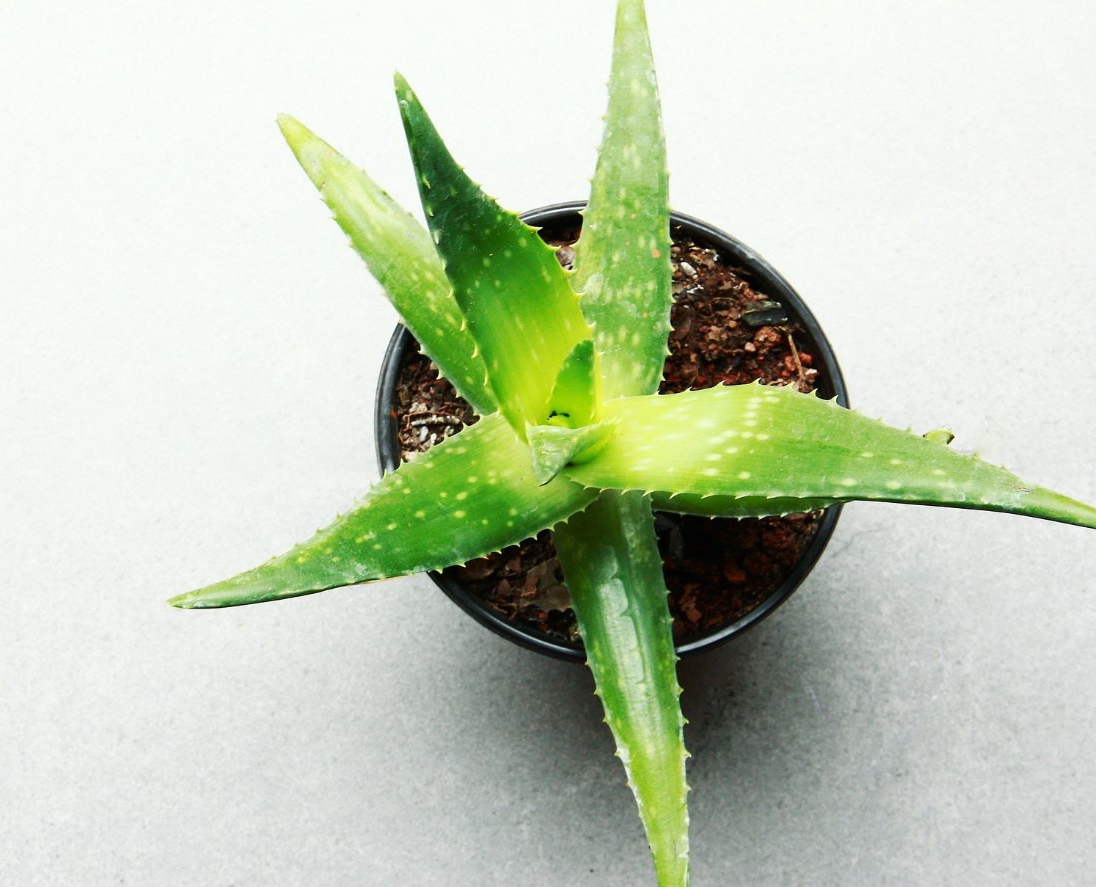
Aloe vera juice or gel may be available in a multi-gallon jug from many retailers, but I cherish the aloe plant growing on my kitchen windowsill, a daughter of the mighty mother plant which has outgrown the space. But obviously, someone out there is hard core.
True aloe — aloe vera — is a species of the genus, aloe, in the Liliaceaed family. Originally a native of the Arab peninsula, aloe vera was introduced widely and now it grows freely in warm climates throughout the world. Aloe will also grow happily as a houseplant in colder regions as long as you don’t give it too much attention. It has a long history as a friend to mankind, the most beneficial of medicinal plants. The Egyptians called it “The Plant of Immortality”.
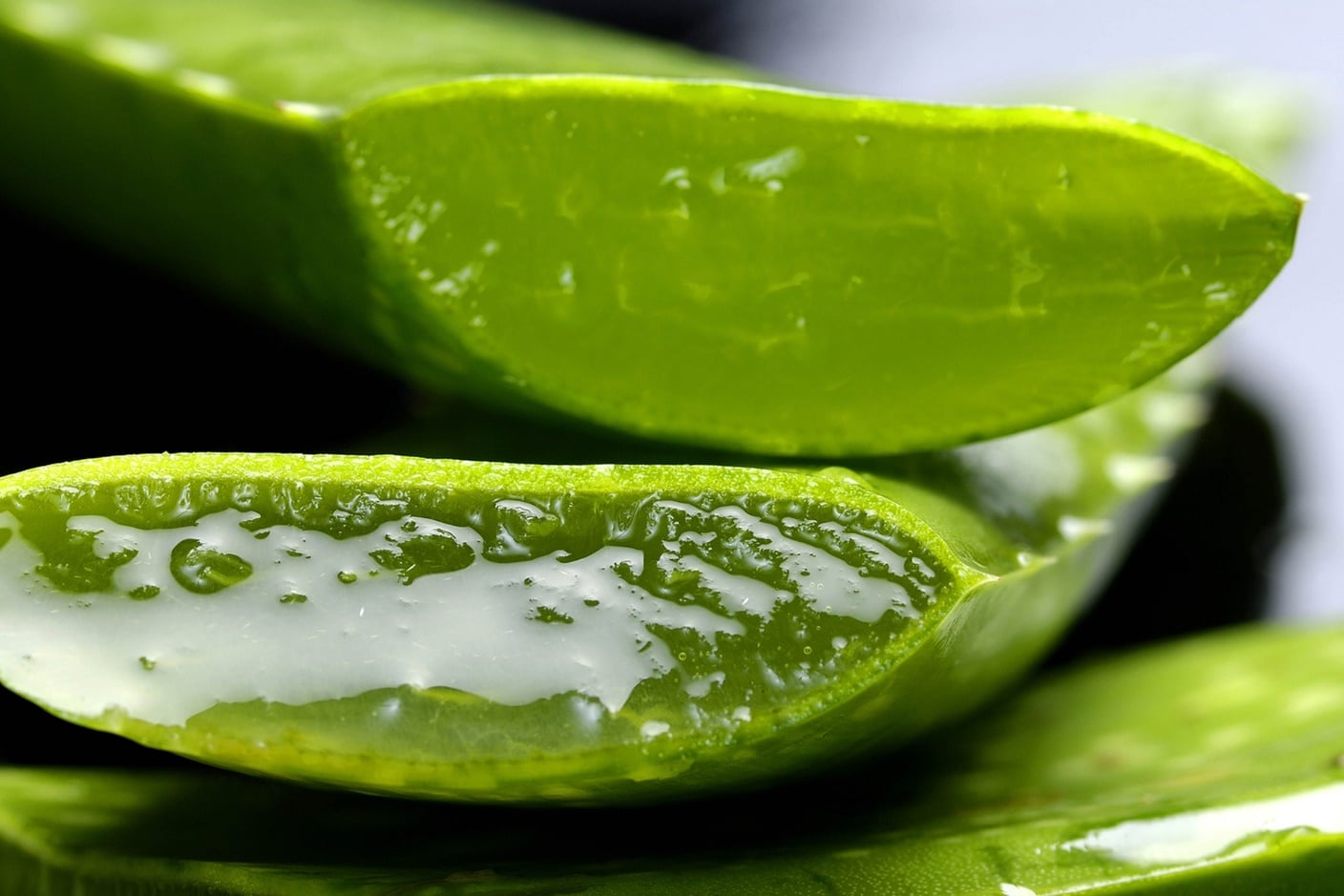 Because aloe vera is a succulent, each long serrated leaf is plump with gooey, liquid-filled flesh. I learned as a child to break off a leaf and squeeze out the juice to ease the pain of a burn, which is why a plant in the kitchen window is an heirloom custom.
Aloe vera juice is made by crushing the entire leaf of the plant. Thus is contains both the clear interior gel and the yellow latex that is situated just under the skin of the plant. The juice is then filtered, and sold as a health supplement. Consumed as is or added to other beverages, it is a source of various nutrients, including zinc and B-12, which can be helpful to vegetarians and vegans. Proponents feel that it aids the digestion, relieving heartburn and constipation. However, the laxative effect of too much aloe vera can lead to dehydration.
Interesting the gel component may aid healing by increasing blood flow, acting as a mild disinfectant and protecting cells from damage. Meanwhile the latex part may act to aid digestive health and as a laxative.
Like my first aloe vera, which my children have named “Cthulu,” a mother plant will, when content with its surroundings, produce many smaller plants around its base. These are called “pups.” The pot will quickly become crowded, and the younger plants should be moved into their own pots and given away to unwary students, newlyweds and others who are not actively trying to escape one’s largess. They will thank you later.