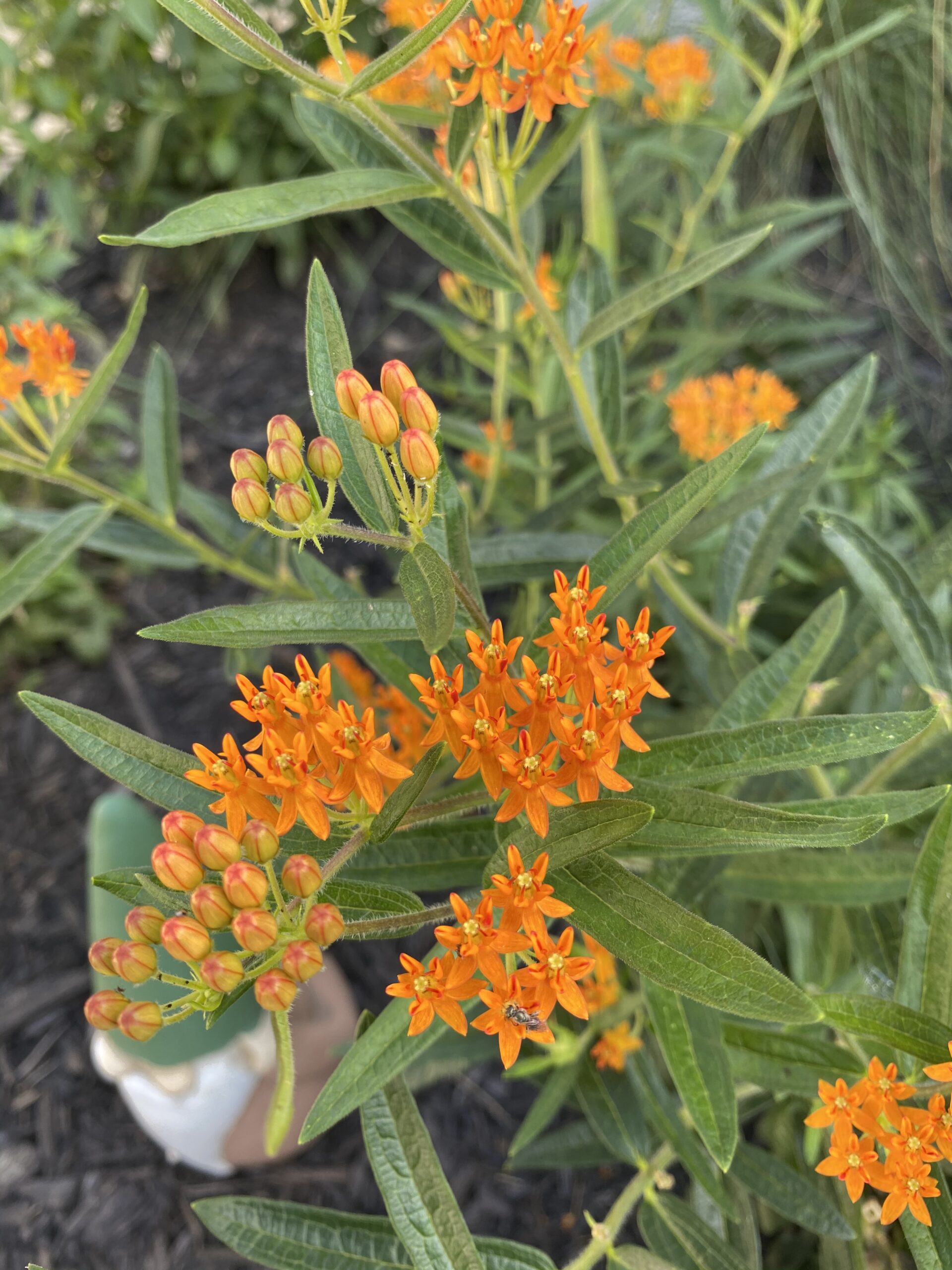
 I, like many other people preparing for the COVID-19 lockdown, frequented my local garden center to purchase vegetable seeds and buy plants for the different backyard projects intended to keep myself occupied as the weather warmed. One of the projects that I tasked myself with involved creating a pollinator garden in a wonky, pain-in-the-butt-to-mow patch of grass in my backyard. While walking through the garden center’s aisles, looking for plants to complement the coneflowers (Echinacea) and bee balm (Monarda) I had already placed in my cart, I came across butterfly weed (Asclepias tuberosa).
Originally, I was drawn to the numerous orange flowers that would bloom from mid-summer through the fall that would potentially allow me to see a variety of butterflies, moths, and maybe even a hummingbird, when I peer out of the kitchen window while washing dishes. But, once I got home, I researched butterfly weed’s uses outside of being pollinator friendly. I was pleasantly surprised to learn that several Native American tribes in the eastern and southwestern portions of the United States used butterfly weed medicinally.
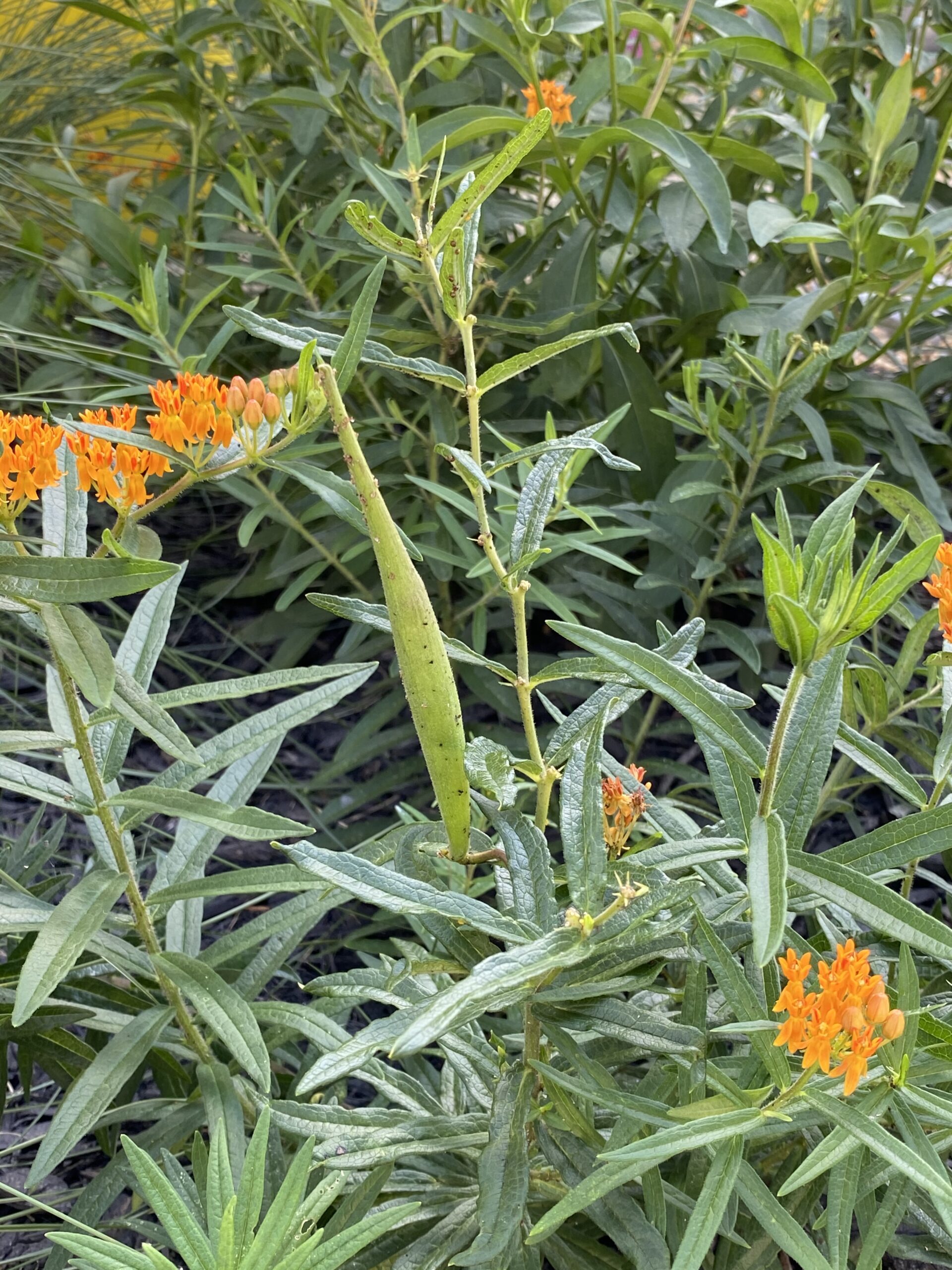 Based on the historical texts I read, the seeds and roots of butterfly weed were used in numerous treatments. The seeds harvested from the ripened pods were used to treat diarrhea and dysentery. However, most of the different tribes primarily used the roots, which were applied externally to tighten the skin or smashed to create a paste to treat bruises, cuts, sores, and bites. In addition to topical use, the roots were ingested or steeped to create beverages. Raw roots were consumed to treat pulmonary and respiratory issues; dried roots were administered to treat chest pains as well. Drinks were given to women after childbirth to ease the pain and bring comfort to the new mothers. Lastly, individuals believed that rubbing their legs and running shoes with butterfly weed would enhance their running capabilities.
 Since planting the garden back in May, it has been a delight watching the different insects interact with the butterfly weed, but it was also fun learning how people used it in ways other than just adding pops of orange to their garden. For more information on other native herbs and native herb gardening, check out The Herb Society of America’s Notable NativeTM and GreenBridgesTM web pages.