 The ground cherry –often called Cape gooseberry, husk tomato or poha berry – is gaining ground with heirloom lovers. My husband grew up in Indiana eating ground cherry pies and preserves made by his mom. She had them in the garden every year. Today they are showing up at local farm markets as heirlooms become popular. That is good news. Bringing back heirlooms is important to our botanical future.
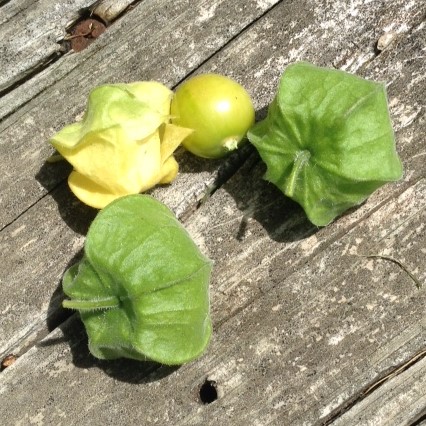
The official name is Physalis pruinosa and it is part of the nightshade family that includes tomatoes and peppers. The fruits are small, yellow balls hiding in a paper husk, similar to tomatillos. The “berries” start green and turn yellow when ripe. As they ripen they fall from the plant, still in the husk.
A single plant can produce up to 300 fruits. Four to six plants can easily supply an average family of four. They self-seed easily so keep in mind that you will probably have them in the garden for years to come.
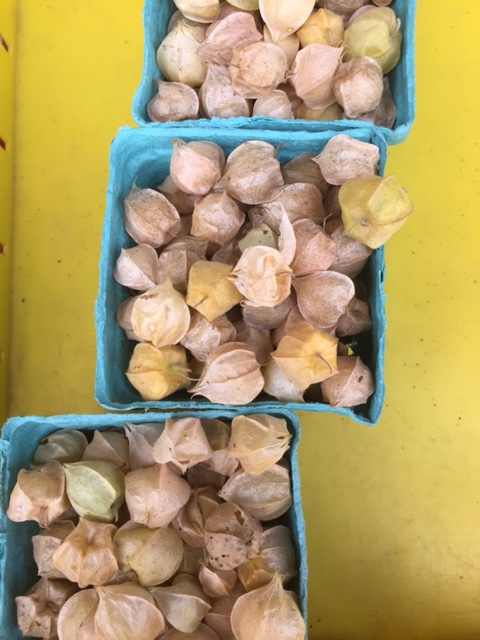 My advice to anyone tasting a new fruit for the first time is to eat it plain with no sugar or additions so you know what the flavor is. The green fruit will definitely be tart and taste a bit like a green tomato. The yellow ripened fruit has been described as a combo of orange and strawberry, or pineapple and vanilla. An advantage of the flavor confusion is it works well as a savory or sweet addition in your kitchen. You can use the fruit in muffins, quick bread, salsa, added to your fruit salad, or made into jams, preserves, and pies. Enjoy as they are low in calories, low fat, no cholesterol, high in Vitamins A and C, and are a good source of niacin.
There are wild and cultivated varieties available today. The varieties of wild ones are Physalis heterophylla or P. subglabrata. The wild versions have smaller pea sized fruit while the cultivated ones are larger, about the size of a grape. Aunt Molly, an heirloom variety from Poland, has been mentioned in catalogs and books since 1837. This variety has a high pectin content and tastes like pineapple/vanilla. This is a great one to try as your first variety.
The plant can be one to three feet tall and can spread. It likes full sun and warm temperatures. So don’t get too ambitious and plant outside too early. Wait until the end of May to plant when frost has gone and the soil is warming up. You can pick the fruit beginning in August and continue up to the end of September (zone 5 -6). It will not completely die back until a hard frost hits.
Disease is not much of an issue with ground cherries. As they are a relative of the tomatillos, they can be bothered by flea beetles or whitefly, but usually not enough to bother the harvest. Wait to eat once they have fallen to the ground and turn a lovely golden color. You can leave the fruits out to ripen even more for a few days; they only become sweeter.
Warning: leaves, stems and unripe fruit can be toxic if you eat too many.
After you purchase your first package of seeds, you should be set. Some sources are Johnny’s Seeds – www.johnnyseeds.com, rareseeds.com (Bakers Creek Heirloom Seeds), territorialseeds.com, and seedsavers.org. A few varieties to try and easy to find are Aunt Molly’s, Goldie, and Cossack Pineapple. Bon Appétit.