 If you live in the snow zone, it’s time think wintering your lavender in 2017.
That’s no typo. If you’re planning your 2016 garden – I am – you’re perusing plant and seed catalogs. Then, you’re determining location. My garden sketches call for moving and removing some herbs while making room for new.
Locating lavender in 2016 will help it winter well in 2017.
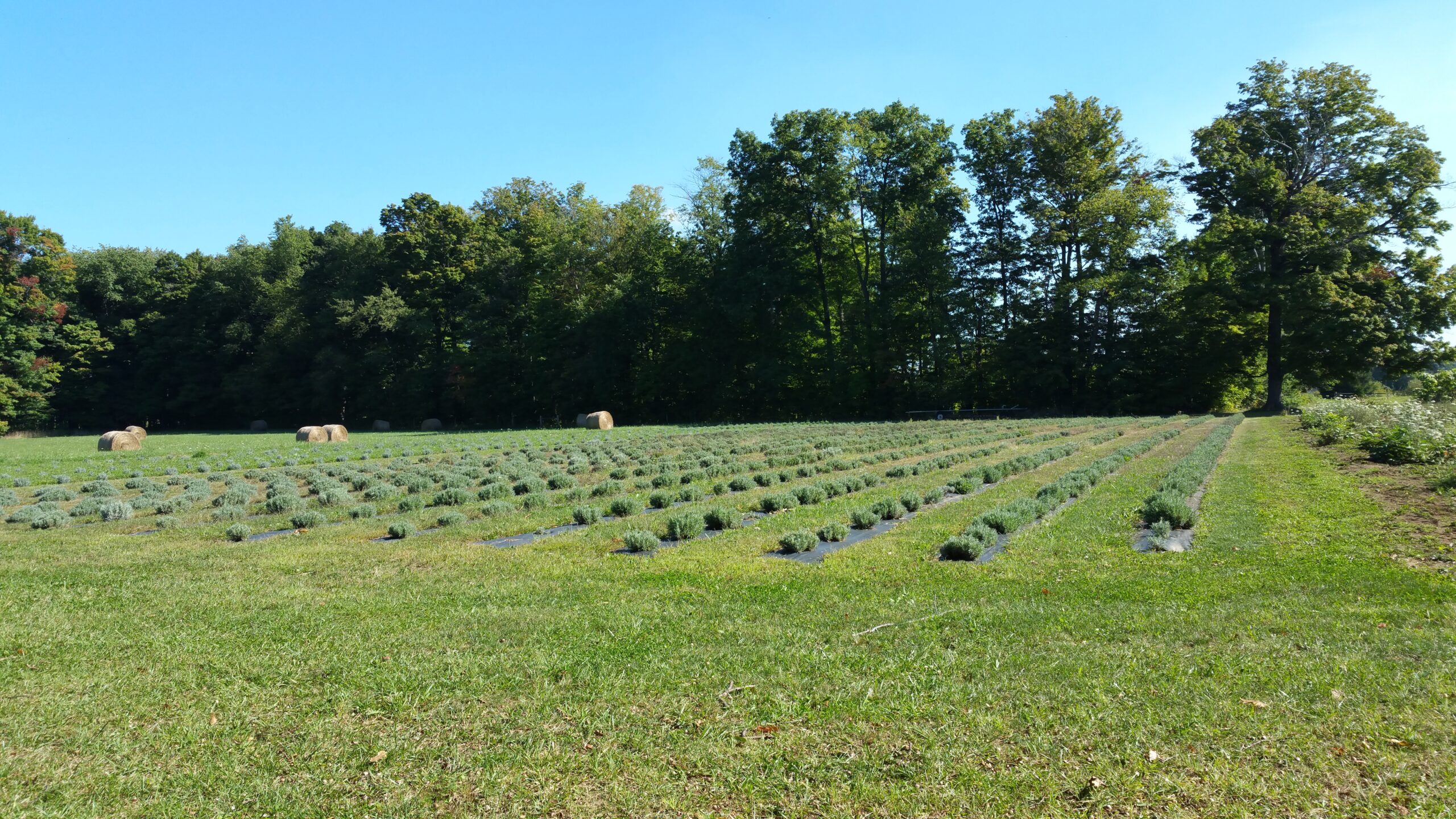
Laurie Hejduk of Luvin Lavender Farm in Northeast Ohio says well-drained, sunny and protected are key for this Mediterranean herb. That means close to the house, a chimney, on the Southside, or somewhere that will provide a microclimate conducive to the needs of the plant.
 “In the case of a few plants or in a small garden situation, covering with burlap or a sheet or buying a winter cover from a garden center surely will help,” she says. “It is important to allow the plant to go dormant. It’s also important to remove the cover when temperatures consistently stabilize in spring.”
You may still fail. A little.
“Being so far north, we expect to lose some plants every year. We do what we can to minimize these losses,” she notes. “During the 2013-14 winter we lost about 20 percent of our crop because of extreme conditions. That year was difficult for lavender farmers nationwide, fruit crops and pretty much all farming operations.”
Farming can be fickle. “It’s very difficult to put anything into a firm timeline as each year presents unique challenges and weather conditions,” she says. “It’s always good to refer to the good old Farmer’s Almanac and to be aware of weather trends like El Niño.”
Well-located plants still require loving in the fall. “In November we finish shaping the plants and cutting back and monitoring the plants for signs of disease or deficiency,” explains Laurie. “Some good indicators of problems could include yellowing of the leaves, or weak stems or abnormal dieback. We, then, address any of these issues or create a plan for the upcoming season.”
 “In December we are closely watching the weather and waiting for about a week of continuous below freezing temperatures. This is important to ensure that the plants have gone into dormancy before covering. 2015-2016 put us all the way into January.”
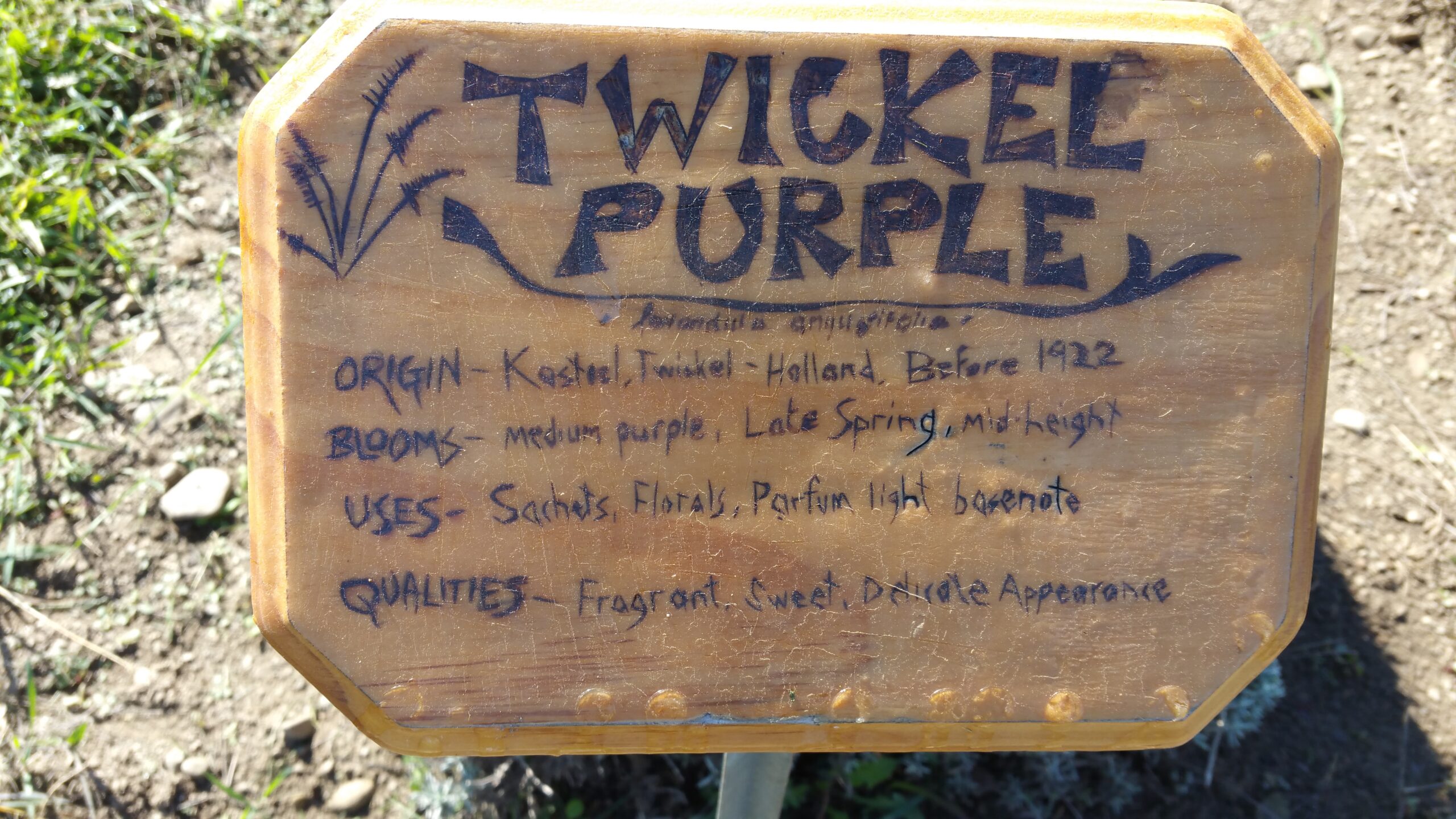
Of course, selecting the right variety helps. “There are more hardy varieties than others. English (angustifolia) varieties tend to be hardier. Whereas French (intermedia) need to be treated a little more gingerly,” says Laurie. “This is actually the reason we have so many varieties on the farm. In addition to avoiding a monoculture, it is also research into what varieties will do well in Northeast Ohio and gives us a good idea what to offer and recommend to local gardeners.”
At that point, it’s time to take a break from farm work and prepare for spring. And, we’re back to the beginning. Time to get started.
Do you have tips for growing lavender? Enlighten us with comments below.