 What smells like a teenage boy’s unwashed socks, is a legendary medicinal plant since the time of the Greeks, and has appeared prominently in the 1974 film version of Agatha Christie’s Murder on the Orient Express?
Valerian.
I remember seeing John Gielgud, as the dastardly Ratchett’s gentleman’s gentleman, carefully introducing measured valerian drops into a glass of water, rich claret color swirling. The soon-to-be late Mr. Ratchett was not done in by his usual sleeping draught. It was merely the vehicle for the stronger sedative which would allow the murderer to…well, no spoilers. The point is that valerian is a sleep aid.
By the way, the sleeping potion is only described by Christie herself as coming from a vial marked, “The sleeping draught to be taken at bedtime.”
While this stuff stinks, cats, apparently, find the aroma of Valerian officinalis a close second to catnip. The German Benedictine abbess Hildegard of Bingen actually combines catnip and valerian in a paste — with water, flour and lard — to be ingested frequently for purposes of curing pleurisy or gout. Remember the ripe sock odor? Imagine it combined with catnip. Now think about ingesting this.
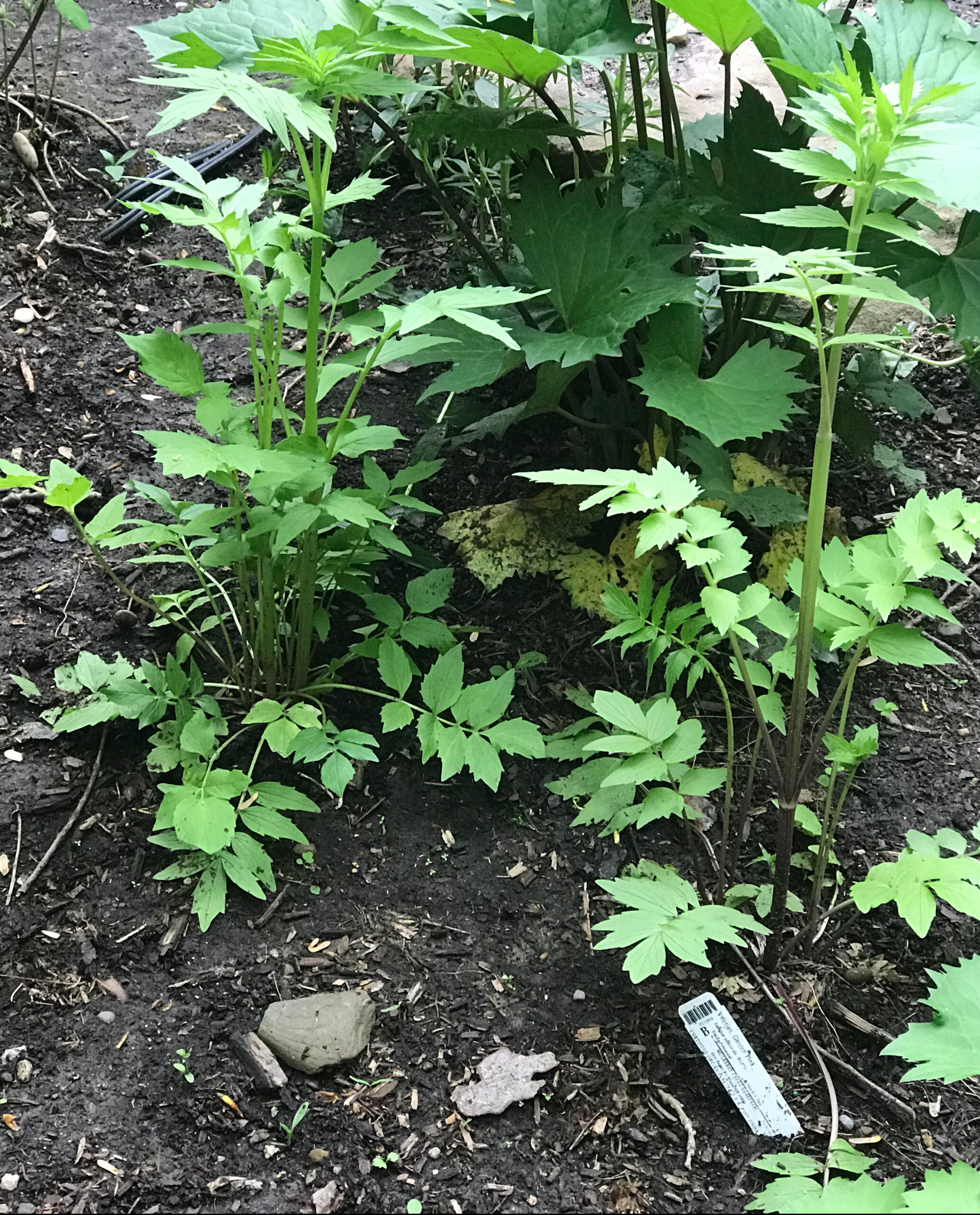 Modern preparations of valerian, alone or in combination with other herbs like hops, are available over the counter as a sleep aid.
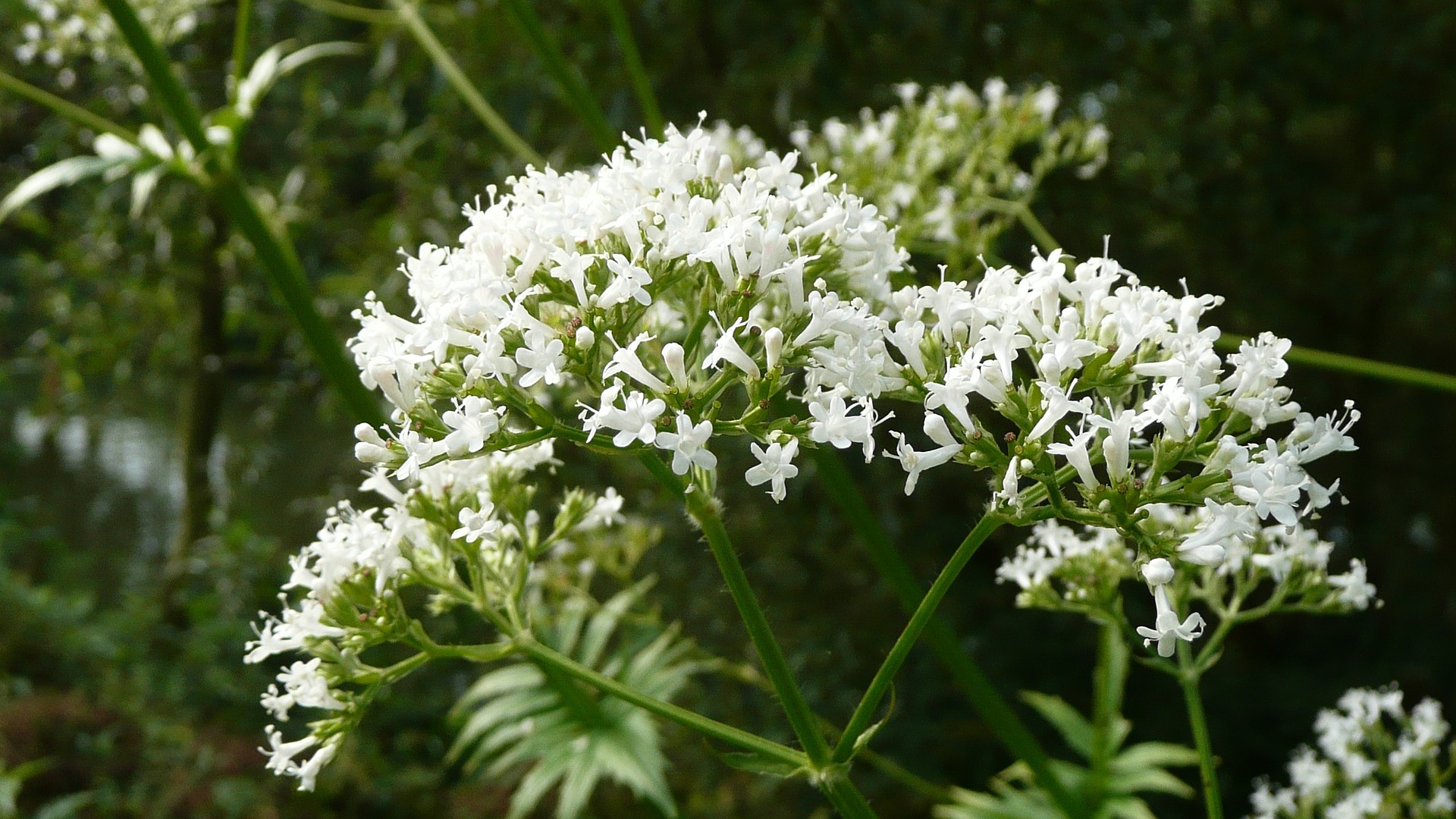
Valerian, as a plant, is useful in wet areas and is happy in sun, but tolerates partial shade. It produces masses of white or pink flowers on tall plants, 4 or 5 feet high, from June through September. Pollinators are drawn to the flowers, and valerian will be visited by honey bees, bumblebees, native bees, flies, beetles and some butterflies.
The name “valerian” comes from the Latin, meaning hardy or flourishing, and it can be invasive in the cooler regions of the northern United States and Canada.
Naming can be confusing. One of valerian’s common names is “garden heliotrope,” although it is not a heliotrope. A popular plant known as “red valerian” (Centranthus ruber) — also called spur valerian, kiss-me-quick, Fox’s brush, Devil’s beard and Jupiter’s beard — is not true valerian. Another species of the genus is Indian valerian (Valerian wallichii), known in both Hindi and Sanskrit as “tagar.” It is part of the Ayurvedic tradition, and employed to enhance sleep in India, China and Nepal.
By the way, Agatha Christie mentioned valerian specifically in 1942 in another of her novels, Five Little Pigs, published in the Unites States as Murder in Retrospect. Once more, valerian finds itself in close proximity to murder, without being the cause of death. The suspect sneaks valerian from the private laboratory of an enthusiastic amateur chemist as part of a practical joke. Alas … not another spoiler … but valerian is innocent. It just tends to be in the wrong place, at the wrong time, a delicate (if smelly) flower among less savory characters.