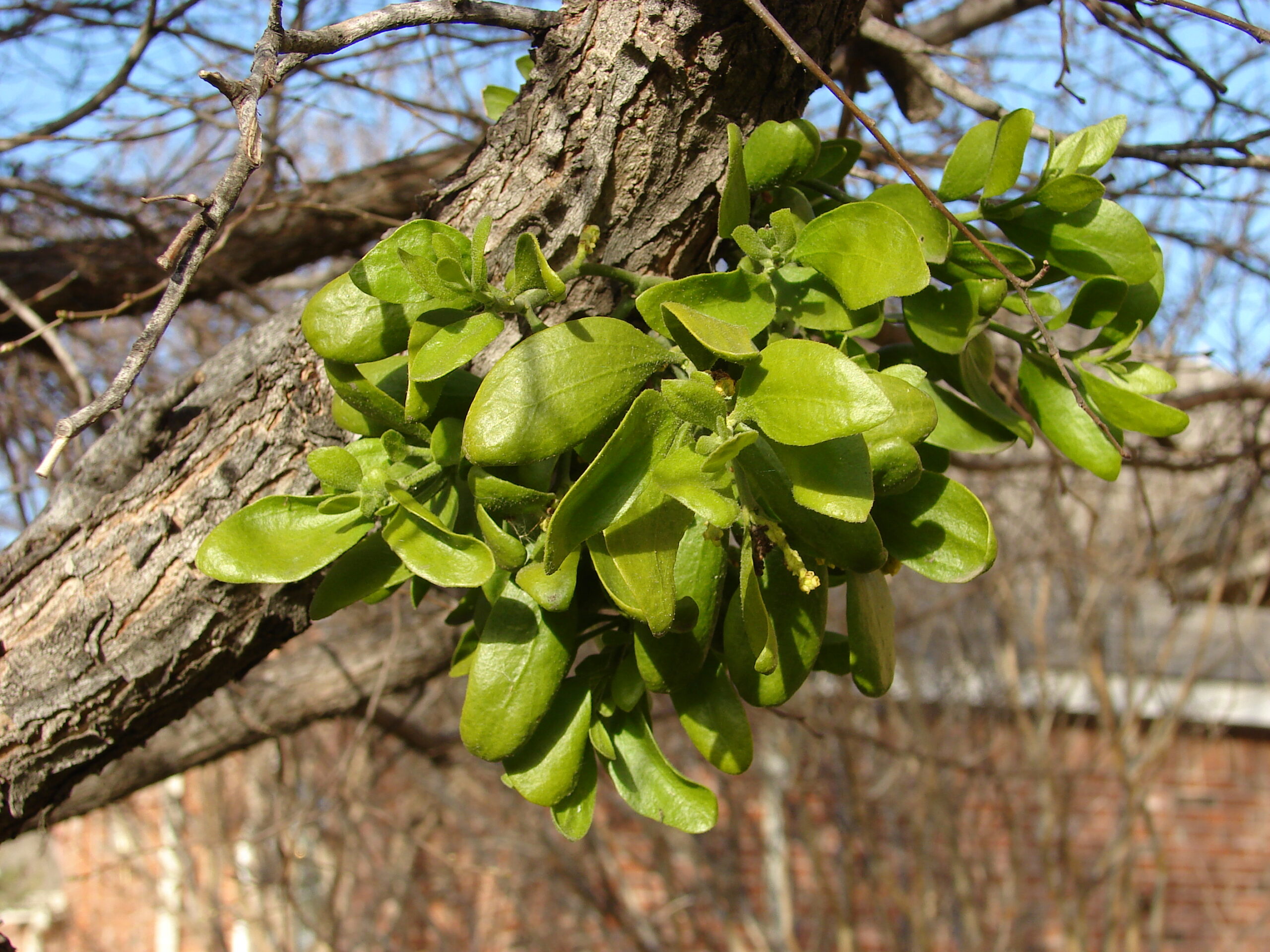
Mistletoe hangs in the archway to my kitchen. I hung it for a late December party and it will remain through January. The dried leaves are a spot of color in an otherwise grey and gloomy season.
I know it promotes kissing in modern culture. Pretty ironic for a parasitic plant with toxic berries.
But why?
Like many plants mistletoe’s enchanting properties are legendary.
Ask History explains it thus: “The plant’s romantic overtones most likely started with the Celtic Druids of the 1st century A.D. Because mistletoe could blossom even during the frozen winter, the Druids came to view it as a sacred symbol of vivacity, and they administered it to humans and animals alike in the hope of restoring fertility.”
Another legend was born in from Norse mythology. It seems when the god Odin’s son Baldur was prophesied to die, his mother Frigg, the goddess of love, sought help from the animals and plants. All agreed to not hurt him. Ah, but mom neglected to consult with the unassuming mistletoe, so the enemy god Loki made an arrow of mistletoe, which killed Baldur.
The mistletoe myth continues as the gods resurrect Baldur and his mother pronounces the herb a symbol of love and vows to kiss those who passed beneath it.
Interestingly, in Vancouver, Canada, this year, “elves” have hung it around the city to inspire public displays of affection.
Whatever the reason its role in the season, I’m happy to cozy up under it and kiss my favorite man.
Happy New Year 2016!