Because I work in the ego-crushing atmosphere of a high volume sales office, I find the need for an occasional morale booster. So when my husband asked me to accompany him on a business trip to the Berkshire Mountains of Massachusetts, I felt compelled to say “Yes.” Normally, I am more likely to offer a quick “No,” but I saw this trip as an opportunity for a much-needed break and a chance to tour the gardens of the area.
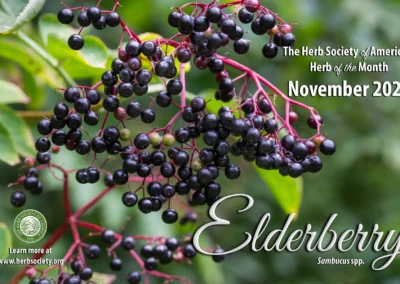
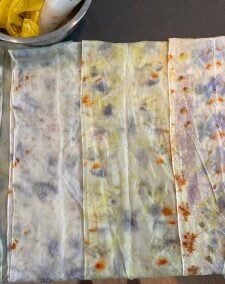
One of my garden stops included Project Native, which sells indigenous plants that grew in the region prior to the arrival of European settlers. This sounds like a noble initiative, but the truth is I primarily found the common goldenrod, pokeweed, and sumac that I tend to take for granted. Closer inspection, though, yielded some more interesting discoveries like purple angelica, Jack in the pulpit, wild orchids, and Sambucus Canadensis (American Elderberry), a plant I have been on the hunt for since discovering its tremendous dyeing properties.
Next stop was the Berkshire Botanical Garden in Stockbridge Massachusetts. The public display gardens offered a colorful array of lush greens, purples, maroons, and the brilliant orange hues of autumn. The succulent-covered roof garden was fun and the themed herb gardens including: fragrance, cooking, and Hogwarts, were inspirational.

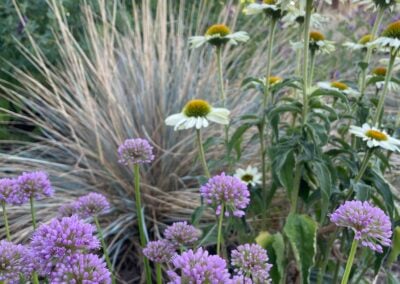
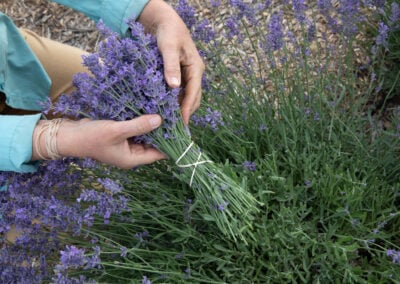
a sunny herb bed at Berkshire Botanical Gardens
My last garden visit was to the Hancock Shaker Village, which is, perhaps, the antithesis of Project Native. The herb and vegetable gardens were expansive and the sheer variety of herbs was overwhelming. Each plant was labeled with a simple marker referencing the common name, scientific name, and a brief explanation of its use. The grounds provided a clear vision of how critically important herbs were to the Shaker community.
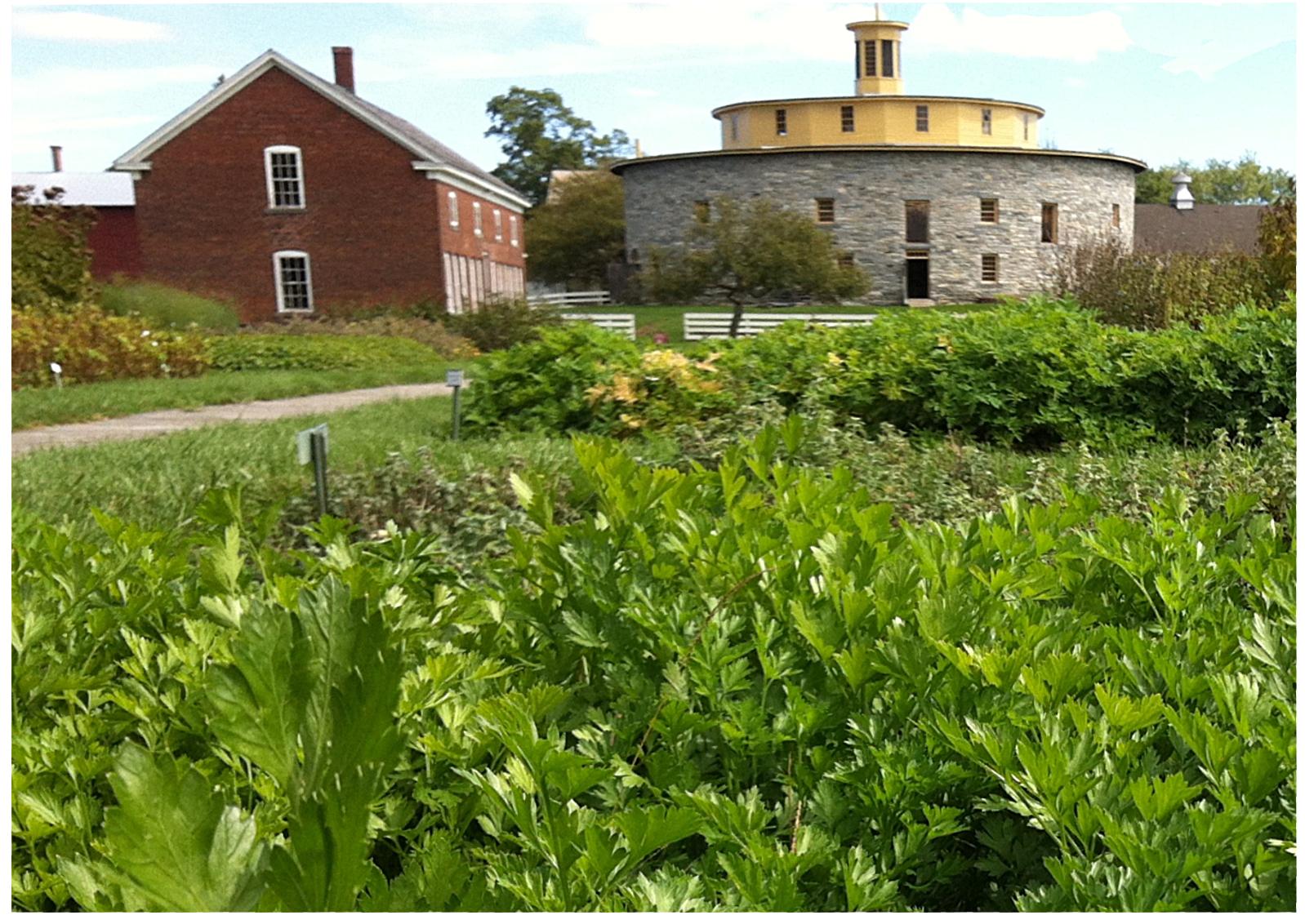
the only round stone barn ever built by the Shakers
While away on my gardening stint, I received a request from my local Herb Society unit to create a NorthEast Seacoast unit page on Facebook. Again, I was compelled to say “Yes,” followed by a silent . . . “Yikes!” But how fortunate to be in the midst of the amazing Berkshires’ gardens which offer inspiration, not only for my own garden, but for our new Facebook page.
Upon arriving home from our trip, I found, tucked in my front door, a request to have my garden added to our town’s 2013 Pocket Garden Tour. Saying “No” would have been the smart thing to do. But why say “No” when “Yes” leaves you open to more gardening possibilities and exploration.