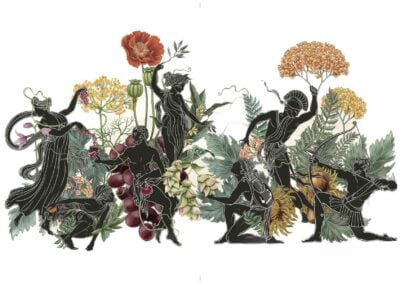
 As an herbalist exploring the wisdom and whimsy of ancient Greek herbal medicine, I often refer to ancient texts that describe the medicinal uses of plants. One of my favorite ancient herbalists is Pedanius Dioscorides (c. 40-90 CE), a Greek medical botanist and physician considered “the father of pharmacognosy,” which is the study of natural drugs obtained from plants, microbes, and animals.
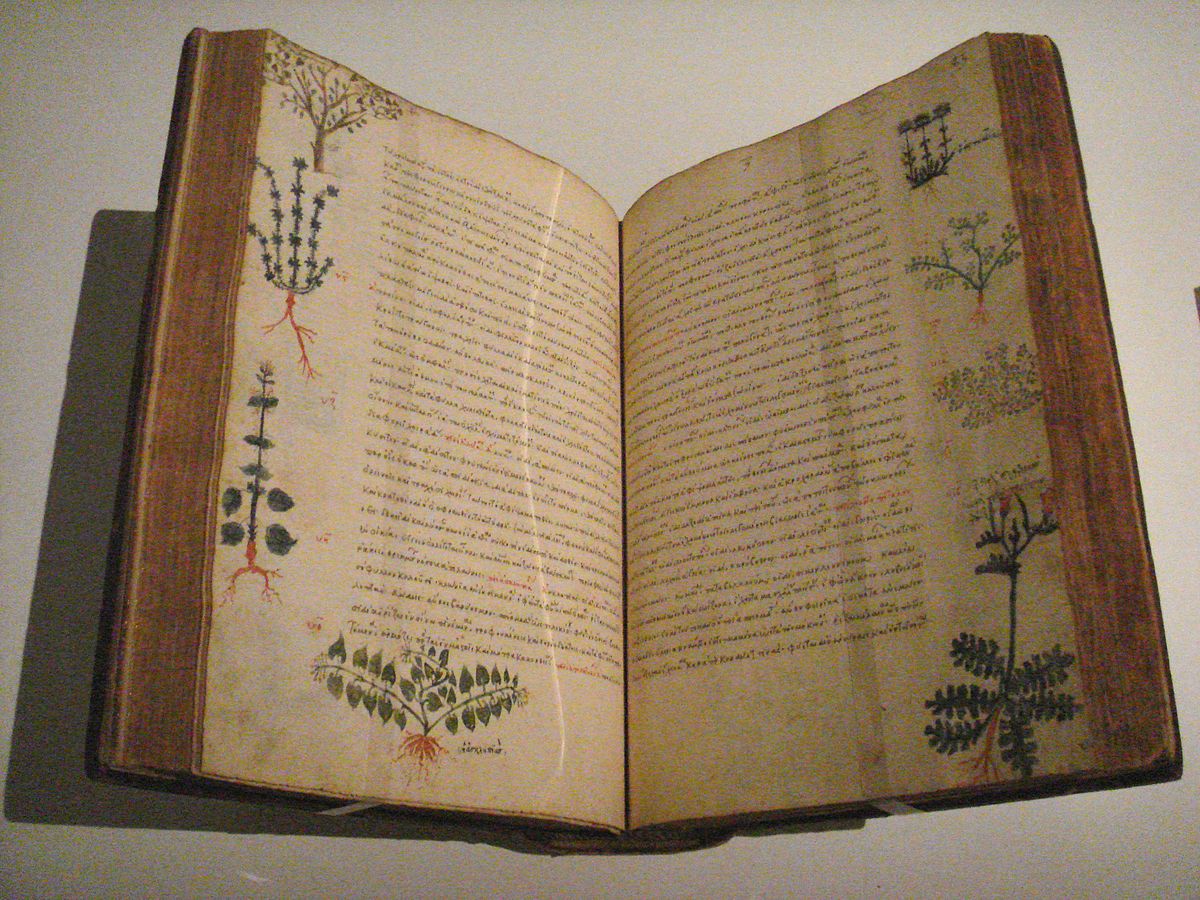
Dioscorides’ five-volume encyclopedia, De Materia Medica (originally titled Περὶ ὕλης ἰατρικῆς in ancient Greek) was hand-copied and referenced extensively for an impressive 1,500 years after it was written. This influential herbal reference, describing approximately 600 plants for more than 1,000 traditional medicines, would help create the basis of European and Western pharmacopeia.
The Dioscorides Garden in Athens, Greece, where I have lived for the past two years, will showcase plants significant to ancient medicine and history as documented by its namesake. The Garden will be a place of hands-on learning for local schoolchildren, residents, and tourists. Organized garden days and tours will provide visitors the opportunity to learn more about the plants and have insightful discussions about gardening and herbal history.
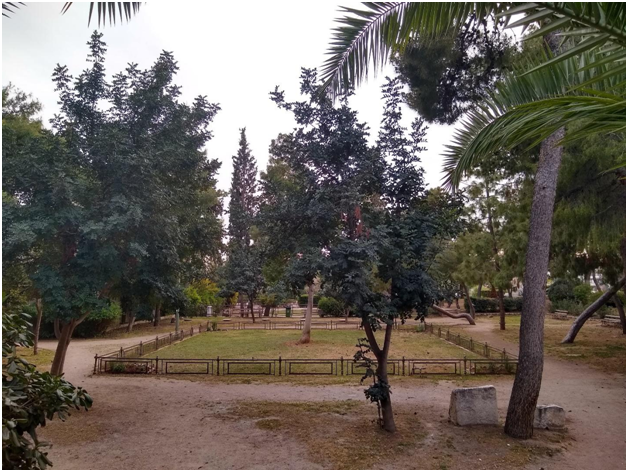 The Garden will be a project of the Herbalists Without Borders – Athens, Greece Chapter, for which I am the lead coordinator. Herbalists Without Borders (HWB) is a U.S. non-profit organization with a global network of herbalists, medicinal plant growers, educators, and practitioners dedicated to health, education, and conservation projects. Funds raised by the Athens chapter have helped support garden projects with children from Ukraine, herbal classes with refugee mothers, and reforestation efforts of areas affected by wildfires.
The Dioscorides Garden in Athens is inspired by the Dioscorides Garden at the U.S. National Arboretum in Washington, D.C., where staff have expressed enthusiasm for the project and have readily provided a list of plants written about in De Materia Medica and which feature in the garden there.
The Dioscorides Garden in Athens will be located at Zappeion, a public outdoor park in Syntagma, the central neighborhood of the city. The Garden has three main objectives:
- Provide an accessible and centrally-located garden space for hands-on learning for all ages
- Showcase plants significant to ancient and modern Greek herbal culture
- Create strong ties with the U.S. National Arboretum to increase awareness of the project and encourage international collaboration
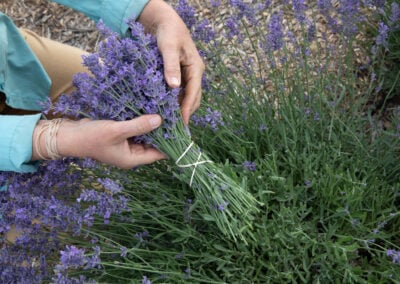
In 2022, a small garden was established by a group of children from Ukraine as part of an annual garden event with the HWB chapter. The garden currently includes rosemary, sage, thyme, oregano, rue, basil, lavender, and mint. The Dioscorides Garden Project will greatly expand the current selection of medicinal plants and, depending on funding, signs will be installed with the name and description of each plant.
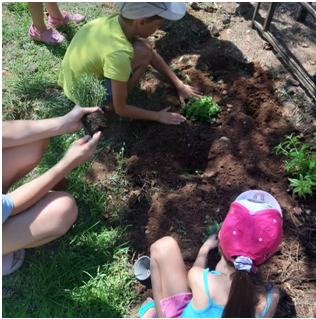
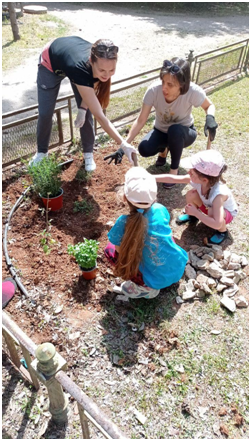
Growing a garden in a Mediterranean climate can be challenging. Plants that thrive in the Mediterranean region are generally adapted to hot, dry summers. But as we are experiencing currently a week-long heat wave of temperatures at 95-105 °F, plants can suffer without relief from the brutal heat. To help support the long-term survival of the garden, additional sprinklers will be added and plants will be thoughtfully planted with the help of a volunteer landscape designer, yet to be identified.
While Dioscorides may not have known the long-lasting impact of his herbal work, the plants he wrote about continue to inspire us to create our own legacies, one medicinal garden at a time.
Join Maria on Thursday, October 26, at 1pm Eastern for the webinar: Exploring Ancient Herbs in Dioscorides’ De Materia Medica. Our webinars are free to The Herb Society of America members and $7.50 for guests. Become a member today, and enjoy all of our webinars for free along with access to the webinar library with over fifty program titles. To register, visit https://www.herbsociety.org/hsa-learn/herb-education/hsa-webinars/