With a challenged economy on Washington Island, Wisconsin, in the early 2000s, business leaders looked at the 23 square miles for business ideas. Tourism is a summer business. And the population – thus workforce — drops in the off season. Lake winds freeze this rocky land six miles off the Door County Peninsula in winter.
What sustainable business would keep the island solvent?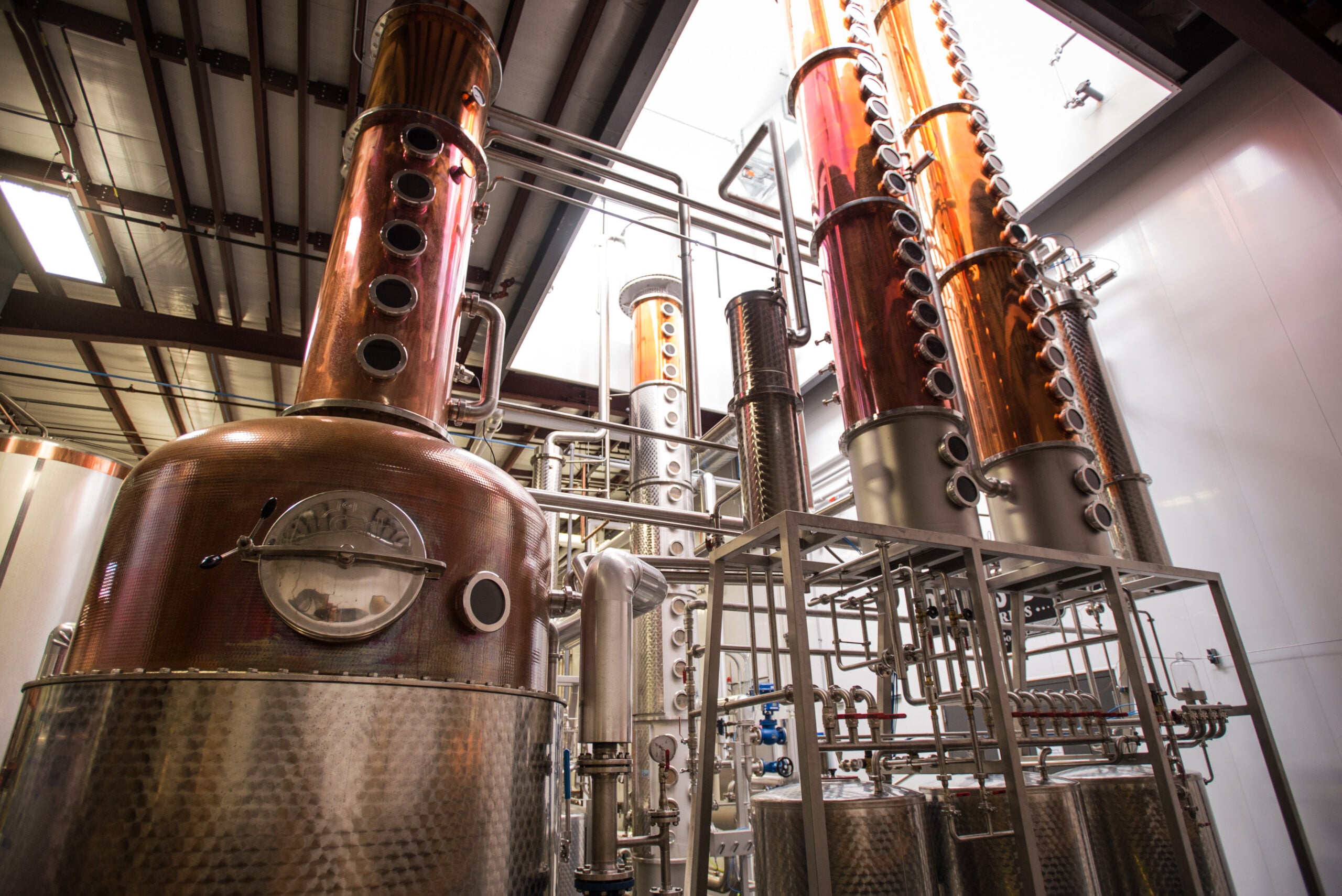
The best idea was agriculture and wheat farming was a start. With limits to the amount of baked goods consumed, farmers needed another outlet for the grain. One with a higher profit margin. And, so a craft beer emerged. Then, the idea expanded to craft vodka.
“I went to Michigan State University to take a distilling class,” says entrepreneur Brian Ellison who founded Death’s Door Spirits. Death’s Door refers to the treacherous stretch of water between the island and mainland, the most dangerous passage in the Great Lakes.
“I found a small distillery that let me use their pot still to do some test batches,” he says. “People got excited about test batches. So, in addition to my day job, I spent nights and weekends in distilling spirits.”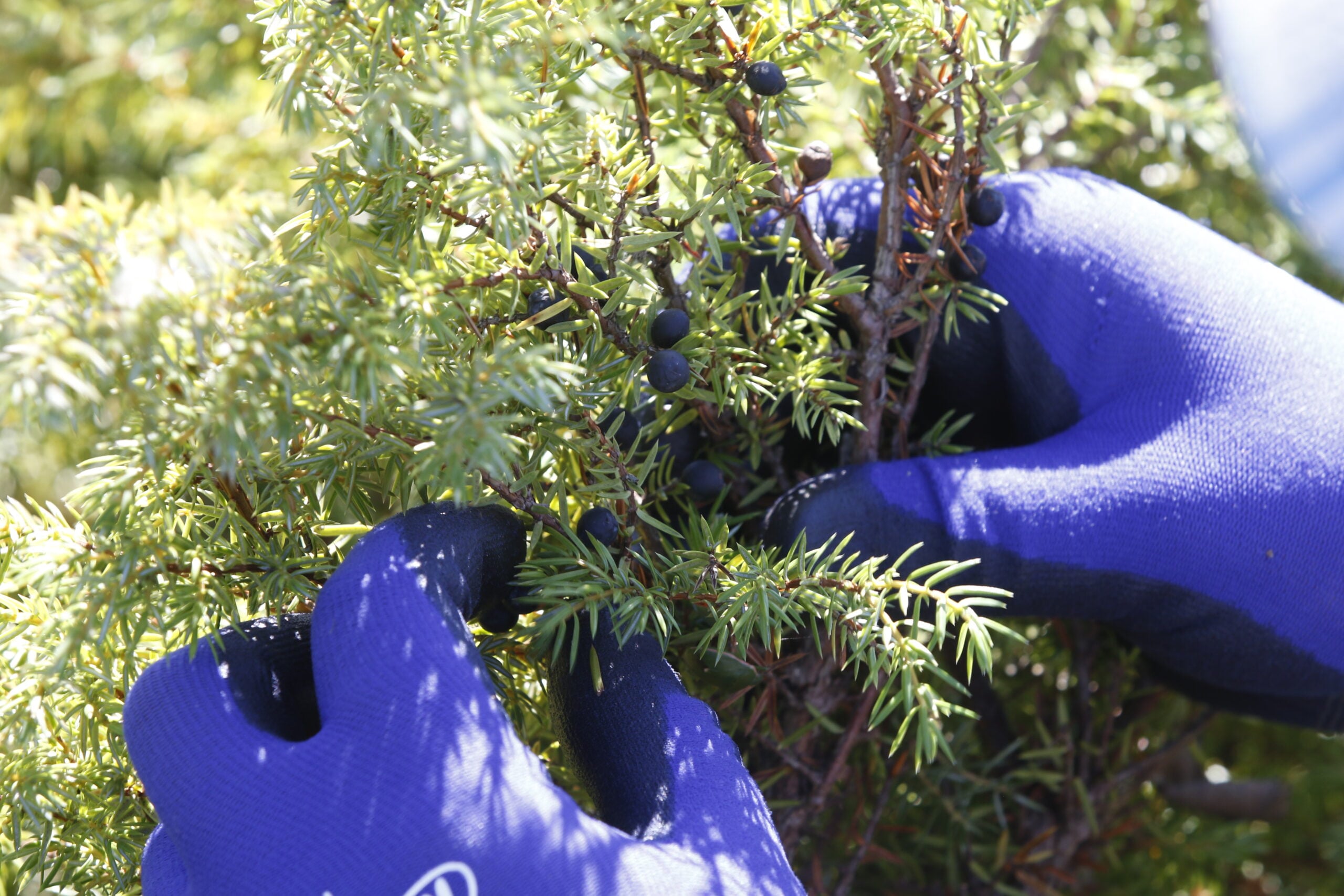
As demand for the vodka grew, Death’s Door Spirits needed more wheat. But, much of Washington Island’s farmable land was covered with wild, native juniper bushes. These had to go.
Or not!
Juniper, HSA’s herb of the month for December 2016, is a prime ingredient in gin. Ellison had an “aha moment.” And, Death’s Door Gin joined vodka on retail shelves..
Like every brand of gin, it has a signature formula “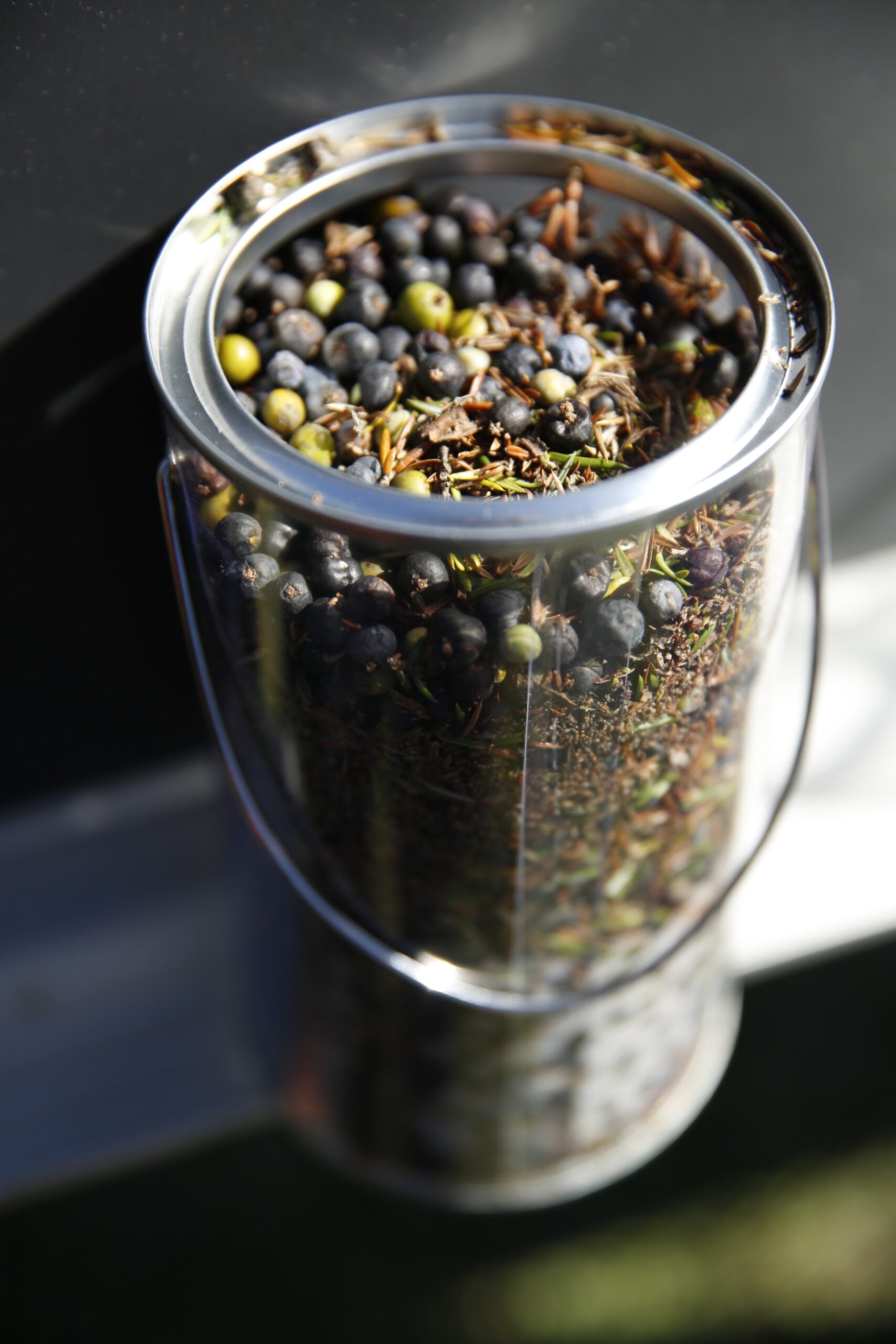 We wanted to use only local ingredients, and since we don’t grow citrus [a common gin ingredient] in northern Wisconsin, we chose a simple botanical blend of juniper, coriander and fennel. The whole idea was that the best flavors come from the simplest things.”
“It wasn’t like we did massive market research, we did it because that’s what we thought was nice,” he says. And, consumers agree.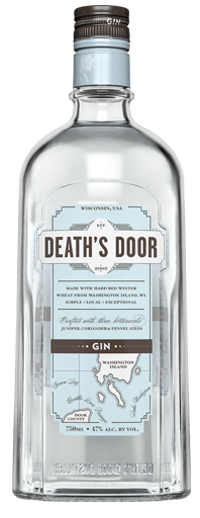
Made in Middleton, Wisconsin (near Madison), gin production has outgrown the juniper supply on Washington Island and the distillery sources additional herbs from nearby states.