 Tamarind (Tamarindus indica) is The Herb Society’s Herb of the Month for November. Tamarind is the fruit of the tropical leguminous tamarind tree. Native to sub-Saharan Africa, the tree has spread worldwide and is part of many countries’ culinary and medicinal traditions. The fruit resembles a giant, cinnamon-colored peanut and contains a tart, sweet, sticky pulp surrounding the seed.
 History
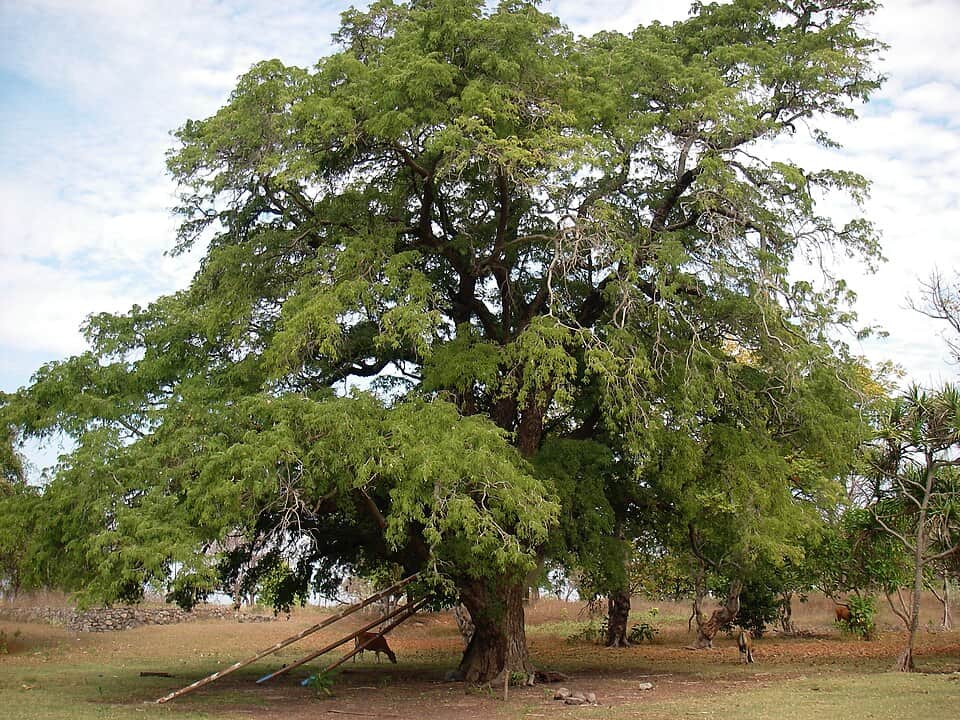
Tamarind has deep roots in African history, dating back four thousand years. The tree’s dense, feathery leaves provided shade during the hottest seasons and served as a gathering place for generations of Africans. It also provided food, nourishment, and healing. People used it to reduce fevers, cool the body during extreme heat, and aid digestion. Africans planted the tree near their homes as a sign of continuity and protection (Touwaide, 2024).
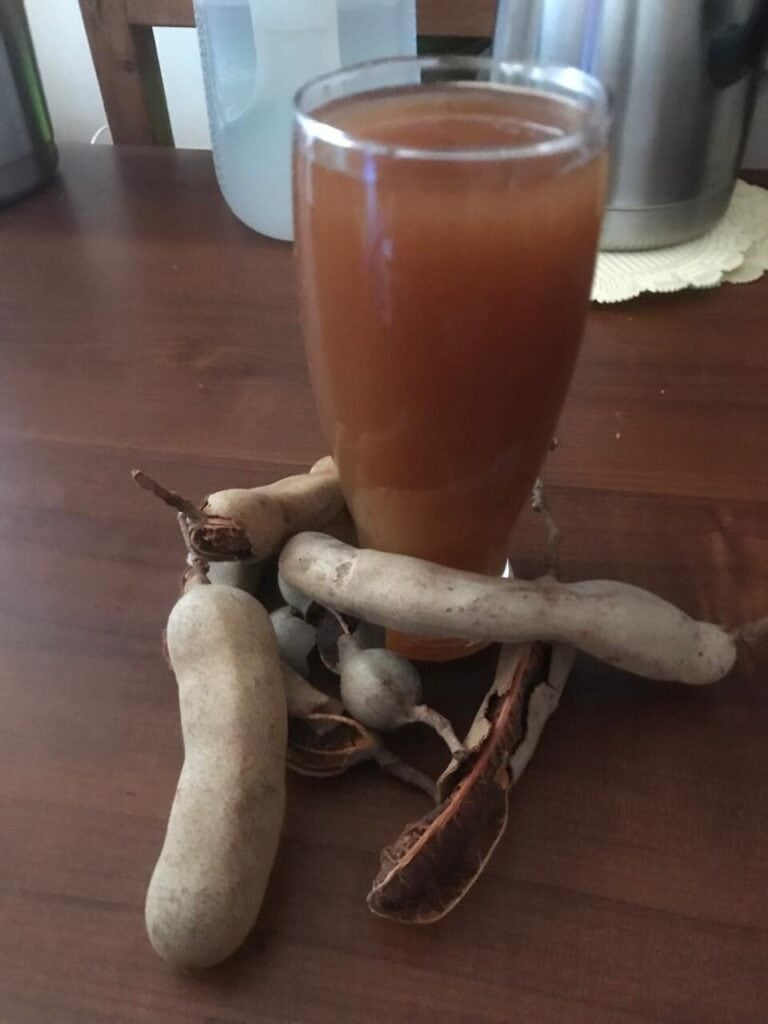 By the fourth century BCE, Arab traders had brought the seeds to India, where the tree naturalized and became integral to Indian culinary traditions and medicinal practices. Its Arabic name, “tamar indi,” meaning “Indian date,” reflects how deeply Indians embraced the fruit. Today, India remains the largest producer and exporter of tamarind, producing about 300,000 metric tons each year.
As maritime trade expanded worldwide, tamarind, like other spices, spread across the globe. From India to Southeast Asia, it became a staple in Thai, Filipino, Malaysian, and Indonesian cooking. Its sweet-sour flavor enhanced soups and sauces, becoming a signature taste in those cuisines. It also flavored refreshing drinks during hot summers.
 The Spanish brought tamarind to Mexico and the Caribbean in the 16th and 17th centuries, where it was incorporated into those countries’ cuisines and folk medical practices. It became aqua de tamarindo, served at social occasions, and pulparindo, a tamarind candy dusted with chili pepper.
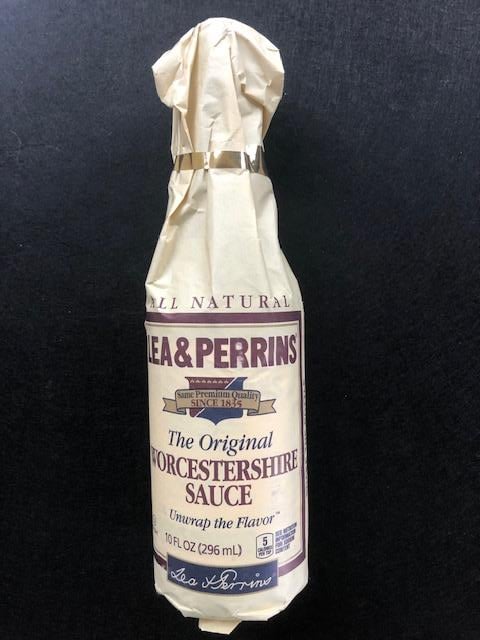
Tamarind is not well known in the United States, although it is grown commercially in Florida and used to flavor barbecue sauces, chutneys, and Worcestershire sauce, and is used as a stabilizer in dairy products and an emulsifier in dressings and sauces (Science Insights, 2026). It is also grown as an ornamental shade tree in tropical areas of the U.S.
Growing Tamarind
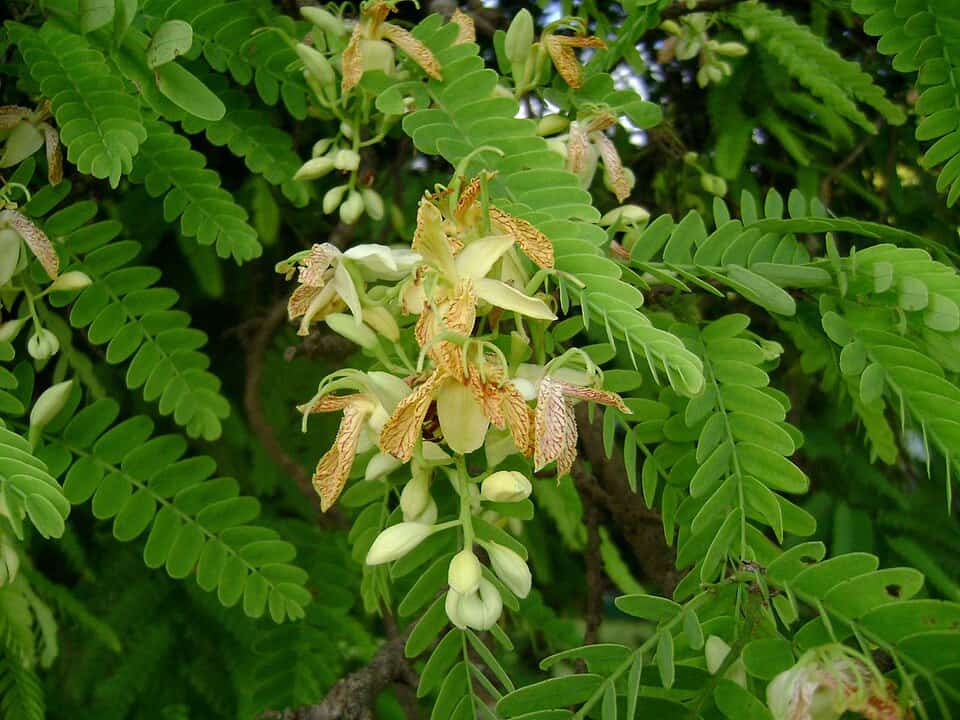
 Tamarind is a long-lived tropical tree, hardy outdoors in USDA Zones 10-11. It is a large tree, reaching 40-60 feet tall with a broad canopy. It needs full sun to produce the most fruit. Fruiting begins after 7-8 years of growth and can continue for hundreds of years. The fruit is ready for harvest when the pods are brittle and brown. You can grow the tree from seed, cuttings, or by grafting (Scott, 2026).
Tamarind as the Tree of Life
All parts of this tree—flowers, seeds, pulp, wood, and leaves—are used.
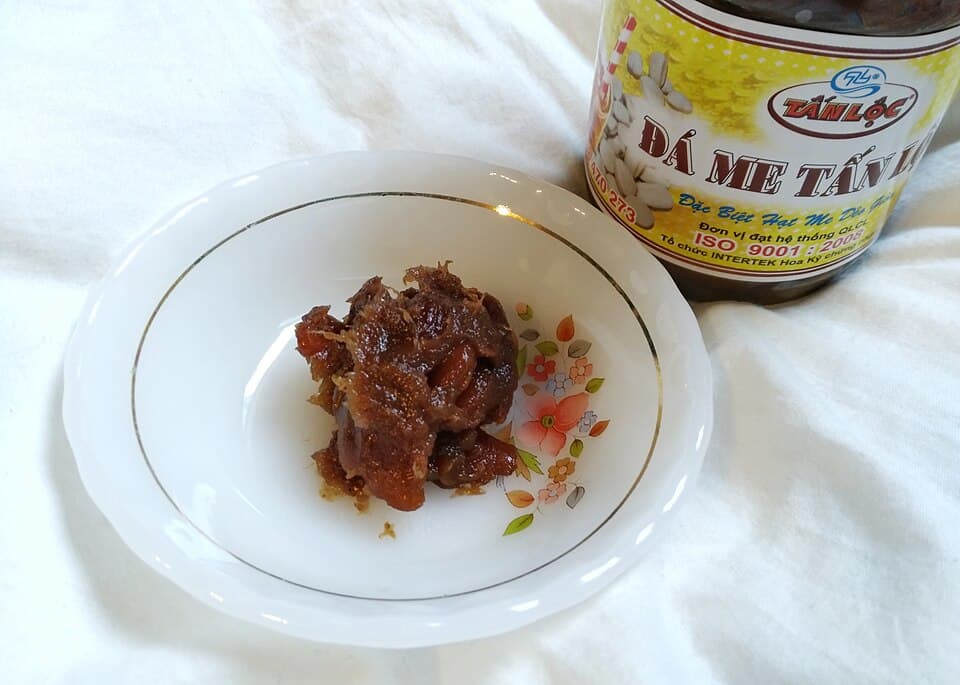
The fruit has a long shelf life and is especially valued during hot, dry seasons. People eat the pulp fresh or mix it with sugar and press it into balls, loaves, or cakes. It is used to season porridge, soups, sauces, curries, and chutneys. The pulp is also used to make a “tamarind-aide,” which rivals Coca-Cola in popularity in some countries.
 Before eating the seeds, soak them in water to soften the outer shell. They can then be roasted or boiled and eaten as a snack, or ground into a powder. The powder thickens soups and sauces. When mixed with water, the seed powder can also be used as glue for paper and wood. It also serves as a sizing for yarns, strengthening the fiber before weaving. Tamarind paste is used in cosmetic facial masks to moisturize the skin. The ground-up seeds are also used as animal feed. Ground seeds mixed with salt are used to polish silver, brass, and copper.
People eat young leaves, flowers, and pods as vegetables. Tamarind wood is strong and termite-resistant, and people use it to make furniture and boats. It is also a valuable fuel because it burns hot. It is one of the world’s best shade trees. The trees are planted as firebreaks because nothing grows beneath the dense canopy. Tamarind is a host tree for wild silkworms and a shellac-producing insect.
In the Apothecary
 Tamarind pulp contains magnesium, fiber, and calcium. It is a gentle laxative and is thought to reduce inflammation. Parts of the tree have antibiotic and antifungal properties. The pulp is rich in antioxidants and beta-carotene, supporting overall good health (Cleveland Clinic, 2026).
In the End
If your plans include a trip to a tropical climate or a botanical garden, it would be interesting to find one of these gracious and giving trees growing.