 Believe it or not, archaeologists have determined that the agave plant has been used for nearly 9,000 years (Tull, 2013)! It has been an essential plant to the Native Americans of the Southwest and the indigenous peoples of Mexico since the earliest times. The Herb Society of America is celebrating
agave’s history and its uses by naming it the Notable Native™ Herb of the Year and the first Herb of the Month for 2024.
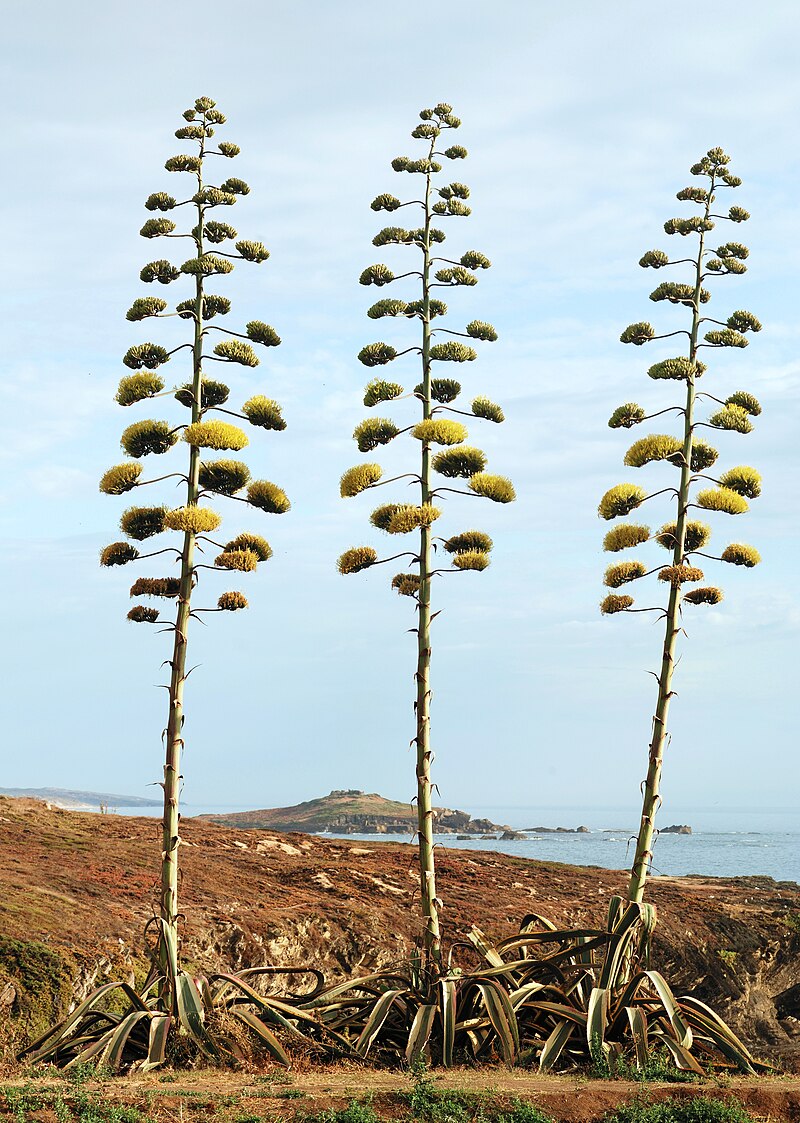
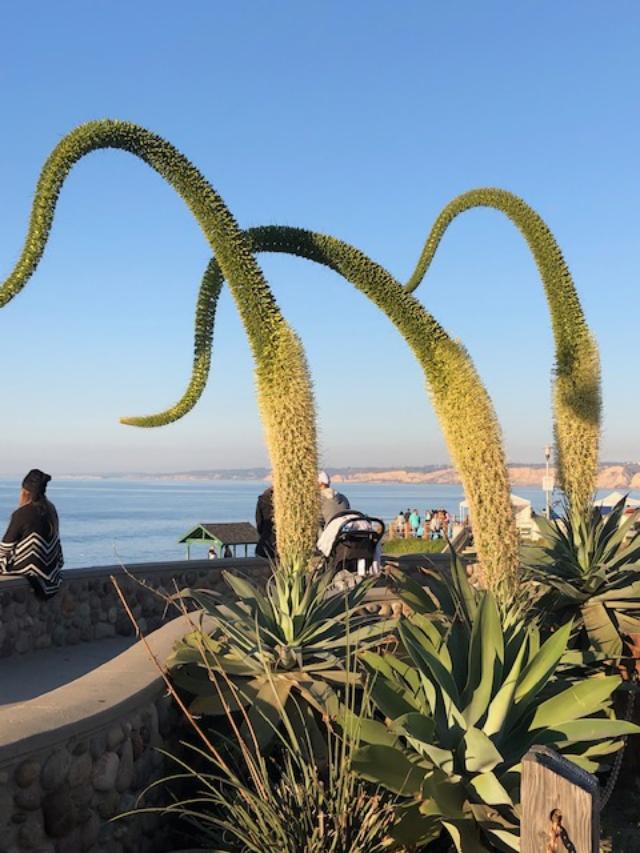
 There are at least 270 different species of agave, many of them growing in the American Southwest, Mexico, and Peru. The century plant, Agave americana, is probably the one that is the most familiar to us. It sends up a dramatic, 15-20 foot stalk of blooms after growing for 10-20 years. And then the plant dies. However, new shoots at the base of the plant continue to grow and replace the original plant ensuring that this dramatic, once-in-a-decade show of blooms continues. It was called the century plant many years ago because an agave in the Netherlands bloomed when it was 92 years old (1616-1708) (Sydow 1987). Perhaps that plant took such a long time to bloom because it was not growing in its native environment.
Agave is a plant that survives in the heat and dryness of the desert. It has become a popular ornamental garden plant because of its drought resistance and unique, dramatic look. Christopher Columbus wrote in his journal that he found this native plant on his first voyage to the New World and brought it back to Europe in 1493 (Sydow 1987). Wealthy Europeans then began planting it in their gardens and its unusual blooms became the subject of paintings and literature.
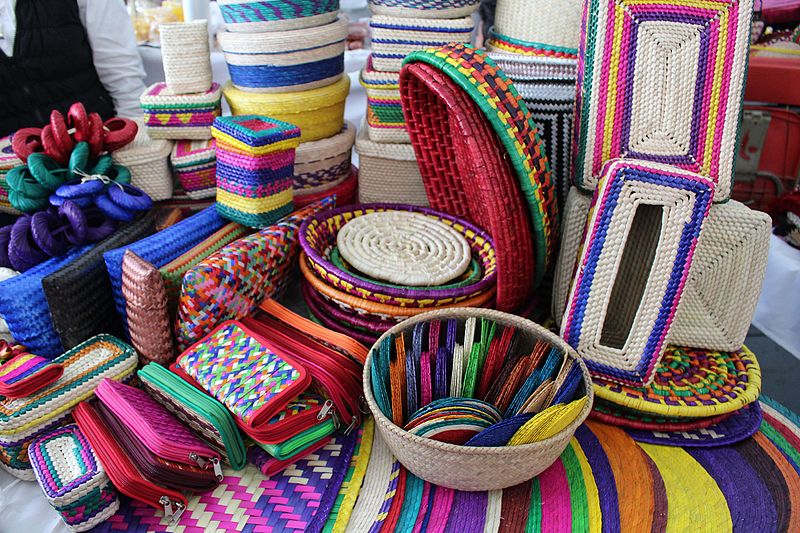
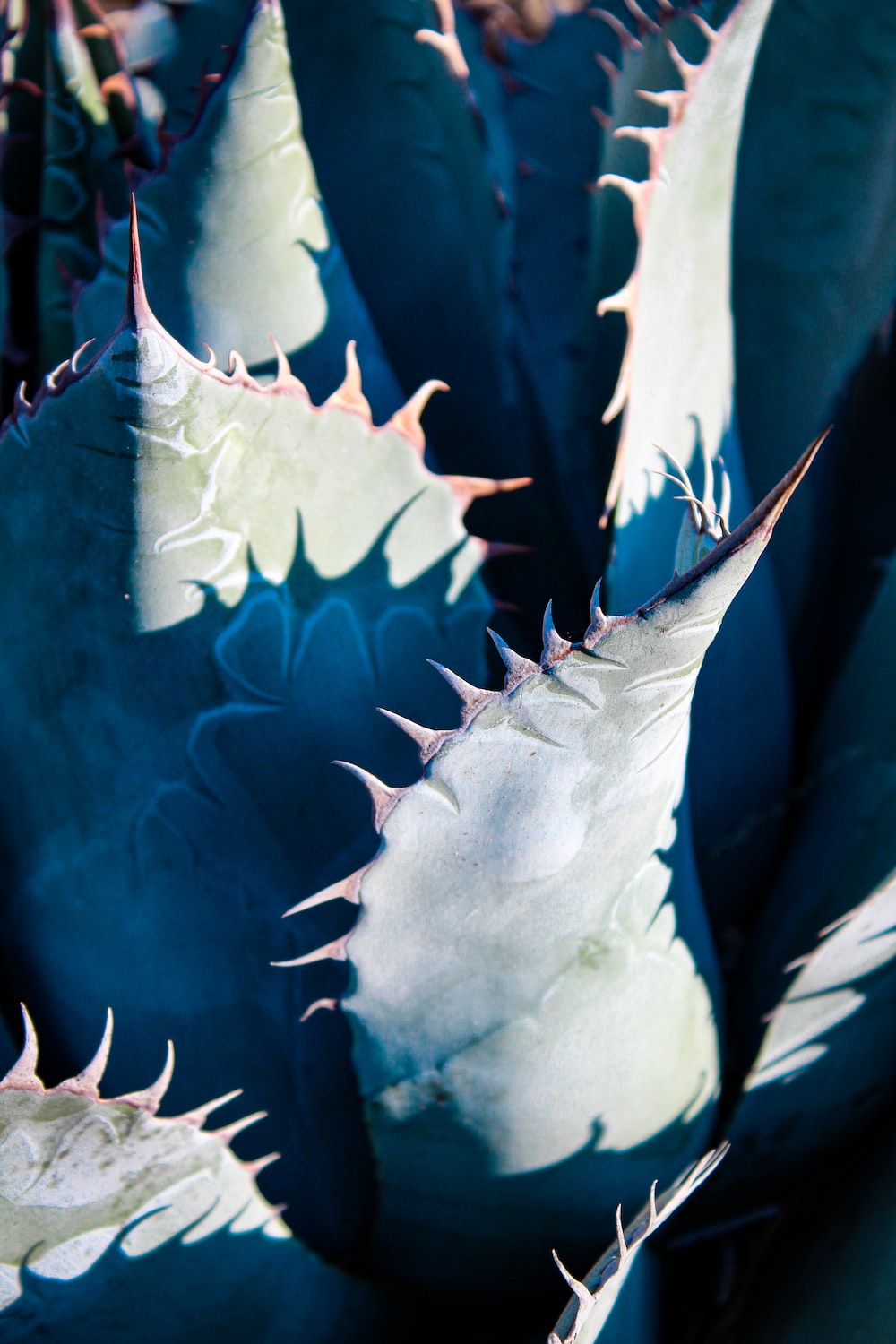 A characteristic of the agave plant is its thick, fibrous leaves with needle-like spines on the tip and edges. The sharp tip can be pulled from the edge of the plant along with the fibrous threads attached to it and can be, and was, used as a needle and thread. The needle-like tip was also used as a tattooing tool. The fibrous leaves are used as food and to make fabric, rope, baskets, mats, blankets, brushes, nets, and paper.
If a large leaf is removed or a hole drilled into the base of the stalk, a sap accumulates in the base of the plant. This sap, called “honey water” or “aguamiel” has been a source of nourishment and drinking water for indigenous peoples since the earliest days. Today’s agave nectar found on grocery store shelves is the sap of the agave plant and is used as a natural sugar substitute. Pulque, a mildly intoxicating drink, is made from lightly fermented sap. Pulque was used by the Aztecs in religious rituals. Agave sap is also used in traditional Mexican medicine to treat inflammation, indigestion, dysentery, jaundice, and other conditions. Research studies have confirmed that it is effective in treating inflammation (Monterossas-Brisson 2013). It was also used as a disinfectant and insecticide. Chopped roots and leaves are boiled in water to release the plant’s saponins for use as soap. All parts of the plant have a use.
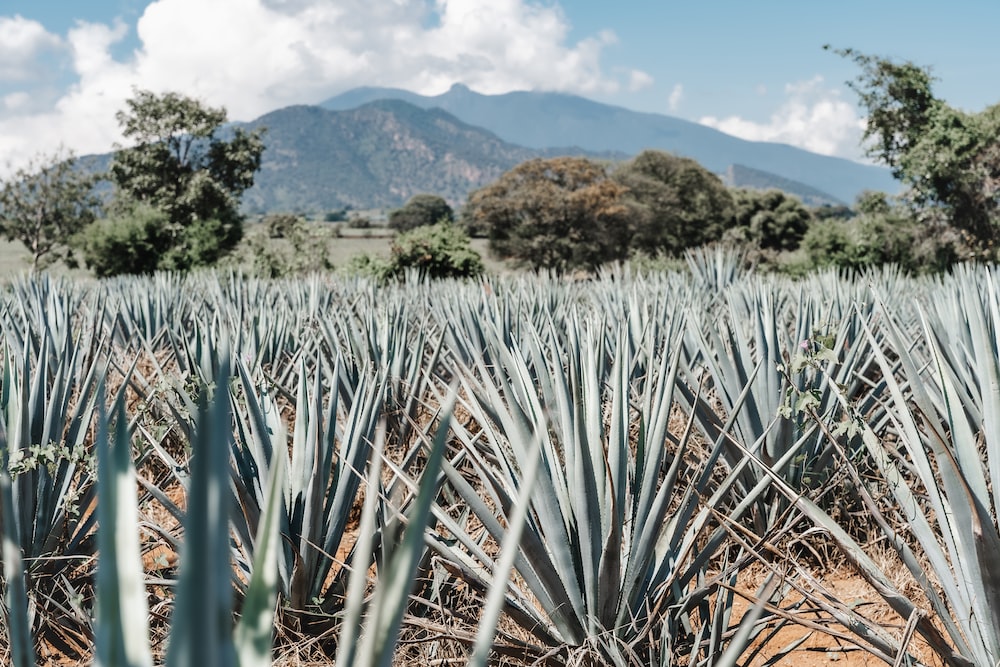
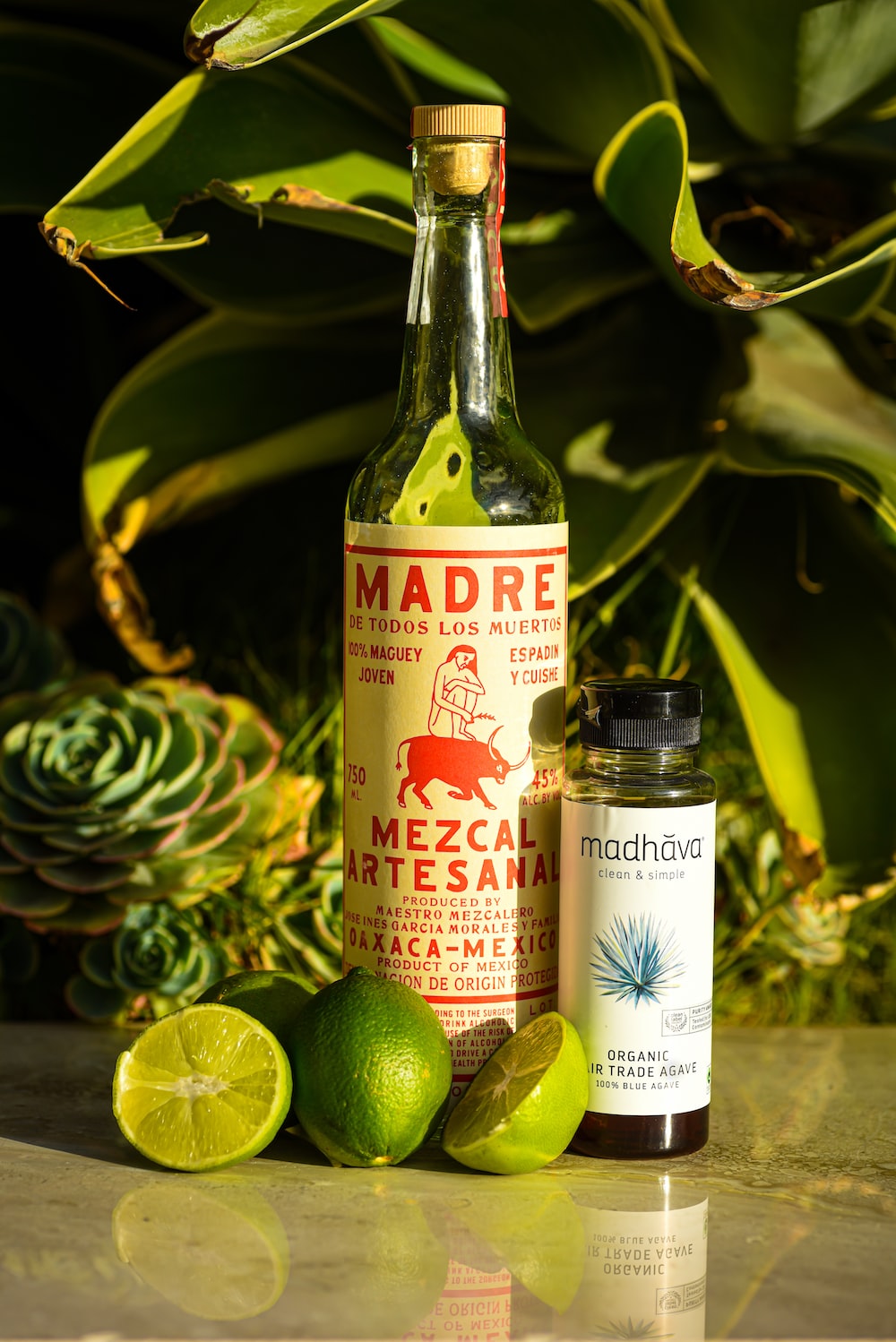 Tequila and mescal are the alcohol products of agave. For tequila, the heart of the Agave tequilana ‘Weber Blue’ plant is cut out and roasted. The resulting juice is siphoned off and fermented. Large fields of this agave grow in the state of Jalisco in Mexico near the distilleries that produce tequila. Mescal is another alcoholic drink whose taste is dependent on the agave plant grown in that area. Mescal is “handcrafted in smaller batches and using ancient techniques and a wide variety of wild agaves” (Stewart, 2013). The better mescals are labeled by the species of the agave, much like good French wine.
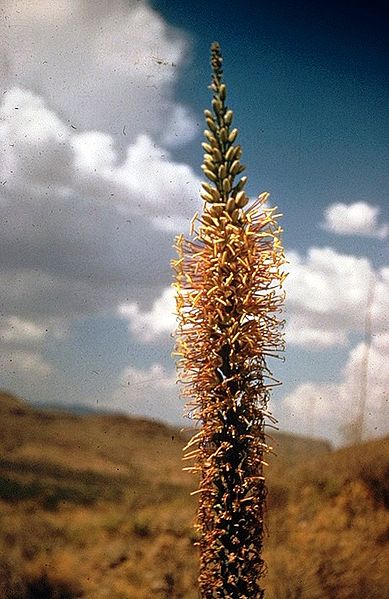
The A. lechuguilla species is the smallest, most abundant, and most important succulent in Texas because of its use in making rope. The plant has stiff needle-like spines that point downward and are a hazard to hikers, horses, livestock, and even off-road vehicles. The leaf pulp from this plant is high in saponins and is used to make soap and shampoo. It is also used to “poison arrow tips [which are then thrown] into the water to stun fish for an easy capture” (Turner, 2009). This species also has a distinctive flower that blooms about every 10-20 years.
In addition to all of the uses of Agave species, the plant is important to wildlife. Bats collect the pollen to feed their young (Herb Society of America, 2023). The flowers and seeds provide food for hummingbirds, butterflies, ants, and other insects; and help to ensure the continuation of the species.
For more information about agave, visit The Herb Society’s Herb of the Month and Notable
Native™ webpages. Also, visit The Society’s Facebook and Instagram pages.