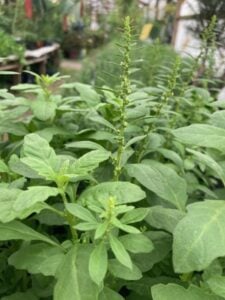
 Herbs common in southwestern gardens and cuisines are the focus of the next few months, in anticipation of The Herb Society of America’s Educational Conference in San Antonio, TX, April 15-17. The conference theme, “It’s Spicier in Texas,” is apt for this month’s Herb of the Month, epazote (Dysphania ambrosioides). This herb has a distinctive taste and aroma that lends a well-rounded, rustic flavor to many Mexican dishes. It also has a long history of use in traditional Mezoamerican medicine and cuisine.
What is Epazote?
Epazote, formerly known as Chenopodium ambrosioides, is a multi-branched, leafy annual in the Amaranthaceae family. This family includes beets, cockscomb, spinach, quinoa, and Swiss chard. It can reach 3-4 feet tall and has long, slender, dark-green, serrated leaves that taper to a point. The flowers are small and greenish, producing many tiny seeds. It is native to Mexico, Central and South America, and has naturalized in subtropical regions. In some places, it has become invasive.
The word “epazote” comes from two Aztec words that roughly translate to “skunk sweat” (Schlosser, 2007), a description of the herb’s aroma. The botanical name Dysphania ambrosioides derives from the Greek word dyspanis, meaning something difficult to see—possibly referring to its tiny seeds. Ambrosia was Greek for “not mortal,” and in Greek mythology, ambrosia was considered a food reserved exclusively for the gods.
 The aroma of epazote is attributed to the compound ascaridole, which accounts for about 10%-70% of its essential oil, depending on where the plant was grown and the part of the plant used (Severino et al., 2025). Many words have been used to describe this herb’s unique scent, including petroleum, turpentine, citrus, putty, earthy, and medicinal, among others. For me, the aroma of epazote is similar to that of arugula or spinach.
An Aromatic Herb with History
The Aztecs and Mayans used epazote for its medicinal properties. A tea made from the seeds was used to expel parasites such as pinworms, hookworms, and roundworms. For this reason, epazote was called wormseed. The tea, known as Mexican tea, was also used as a digestive aid to relieve gas, bloating, and stomachaches. It was used as an antispasmodic for menstrual cramps and as an anti-inflammatory for respiratory ailments.
When Francisco Hernández de Toledo, a Spanish doctor, arrived in Mexico in 1572 to study New Spain’s medicinal plants, he found that indigenous healers possessed extensive knowledge of plants, gained through research and experience (Ortiz de Montellano, 2007). Moreover, Aztec and Mayan healers had documented these medicinal plants well before Carl Linnaeus began classifying plants and animals in the mid-1700s.
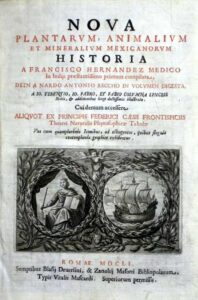 Epazote was one of the plants Hernandez studied. He described it as “pungent, odorous, and calorific in the third degree; It is eaten raw or cooked, and added to meals strengthens, relieves asthmatics and breast (breath) sufferers, and provides pleasant food. The decoction of roots contains dysentery, removes inflammations and [expels harmful worms] from one’s stomach” (Hernandez, 1570-1577). The ascaridole in the leaves is toxic to intestinal worms, so these were used to expel them in people and livestock. It was thought that this practice was especially effective when epazote was given during a full moon, as worms were believed to be more active at that time of day (Sutton, 2012).
Hernandez introduced many plants to Europe, including corn and cocoa (Giaimo, 2015), and possibly epazote in the 16th century. Because of its prolific seed production and ease of growth, epazote spread throughout Europe and into Asia and the rest of the world.
Quintessential Mexican Culinary Herb
Epazote leaves are an essential ingredient in Mexican bean dishes (frijoles), stews, quesadillas, and moles. They add a subtle, distinctive flavor to chile con carne and black bean soup. The seeds are used for marinating meat. Indigenous Mexican cuisine is not the same without this herb.
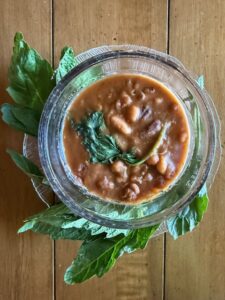 Epazote is a distinctive herb that can be used fresh or dried. Fresh epazote is available at Mexican supermarkets or can be grown in your garden. However, due to its potent bioactive compounds, epazote should be used in moderation. Eating too much may cause nausea, headache, or digestive discomfort. Using a small amount of the leaves in cooking is recommended. When used in cooking, epazote aids digestion of legumes.
Interestingly, epazote is the only culinary herb that begins with the letter “E” (Chang, 2026).
Epazote in the Garden
This is an easy-to-grow annual herb in warm, humid climates, including most of Texas. It does not require special soil, fertilizers, or pesticides. In fact, its aroma acts as a pest repellent, enhancing its value in organic farming and home gardens. A tea made from the leaves can be sprayed on plants to deter insects (Garrett, 2001). Because of its robust growth, it helps prevent soil erosion and attracts a variety of pollinators. It reseeds easily and can be propagated from cuttings.
To learn more about the many unique herbs grown in our country, consider attending The Herb Society’s Educational Conference in San Antonio, TX in April. You can attend the entire conference or just a single day. San Antonio is a most interesting place to visit.