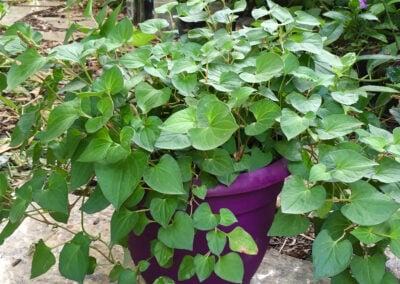
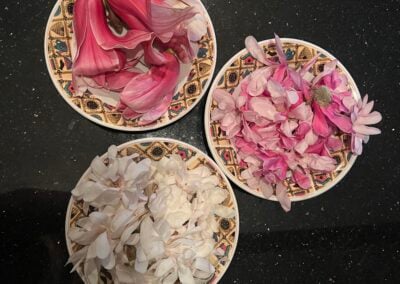
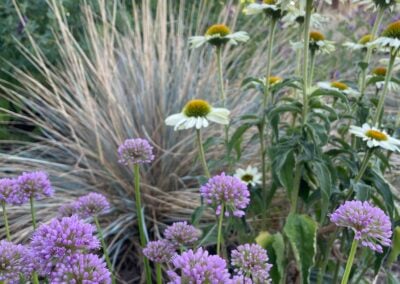
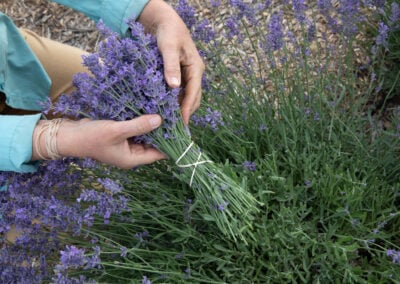
 While I love a carpet of petite thyme blossoms, I’m picky about which herbs I want to flower. Borage, chives and lavender are nearly useless without blooms. But, rosemary and oregano pause plant production while flowering. Basil and mint turn off, get leggy and drop leaves as blossoms pull plant energy. Bee balm and pineapple sage are nearly spent after brightly blooming.
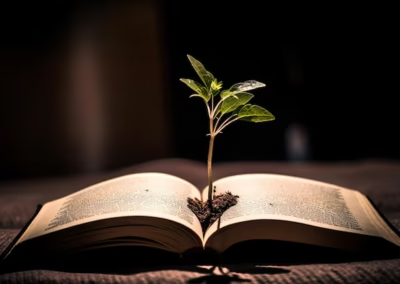
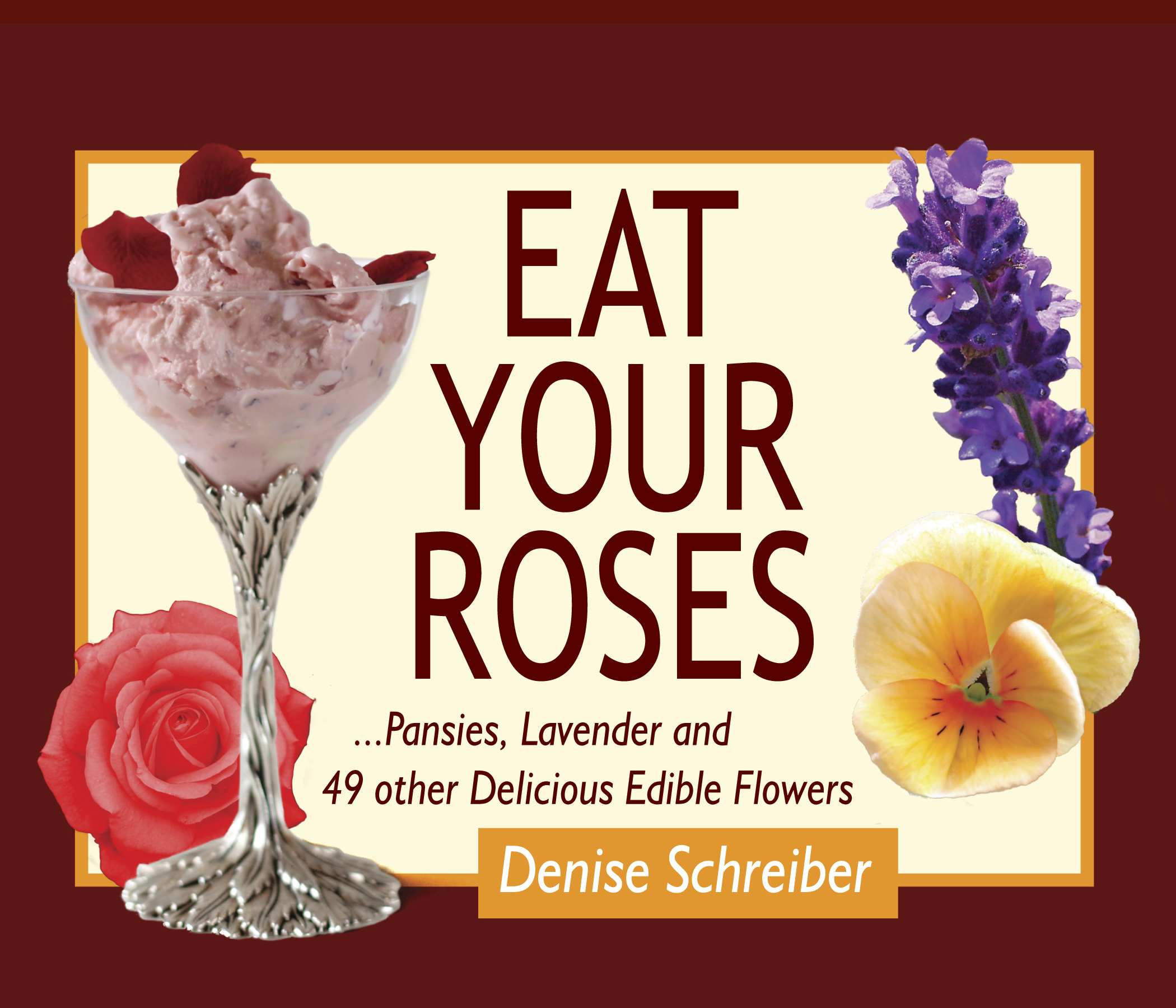
My attitude recently shifted when I picked up Eat Your Roses … Pansies, Lavender and 49 other Delicious Edible Flowers (St. Lynn’s Press, $17.95) by Denise Schreiber.
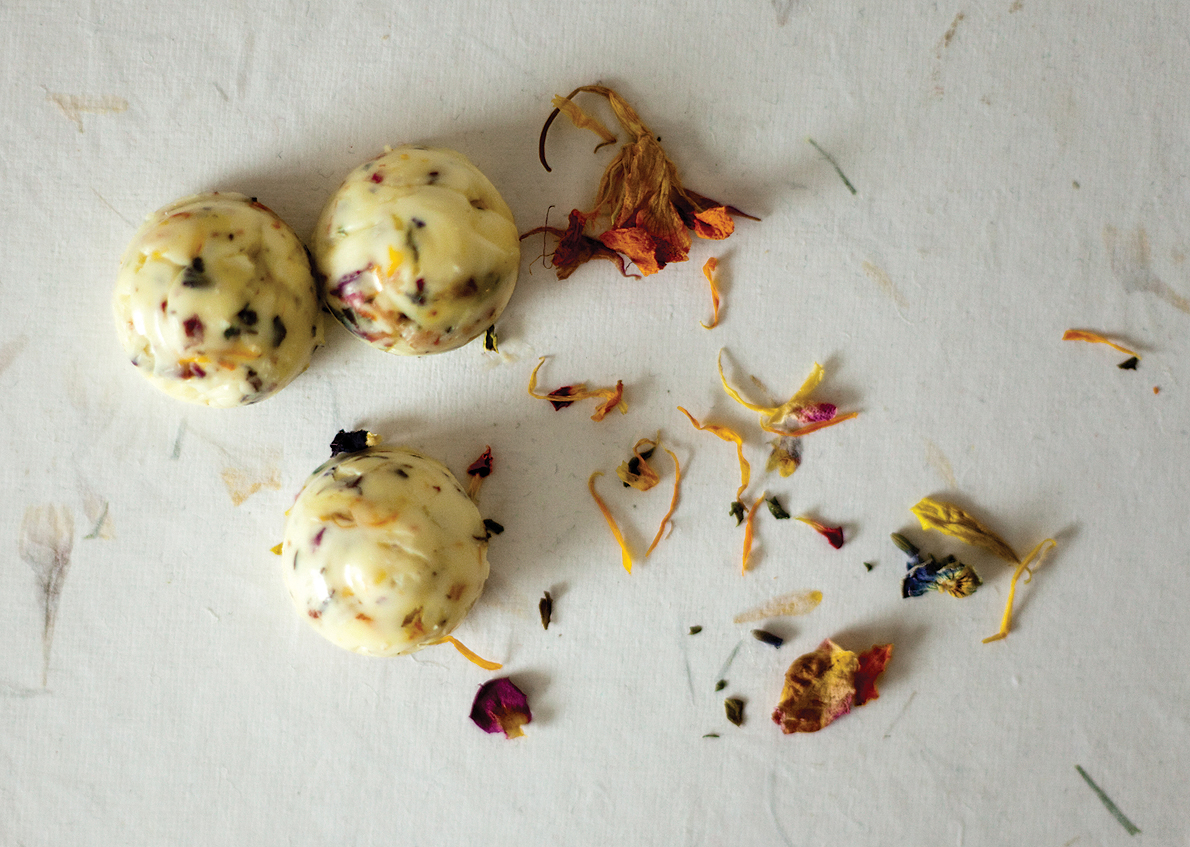 As promised, it details edible flowers with photos, descriptions, sense appeal and uses. Occasionally you’ll find warnings, such as: “Dried lavender buds that are used for sachets are often treated with oils to preserve the scent. Make sure you buy culinary lavender only,” OR “You should not consume chamomile if you are taking certain medications, such as blood thinners.”
And, each entry offers uses, like making jelly and jam with lemon verbena flowers.
Naturally, most often, flowers can be used as a replacement for the herb. While the basil aesthetic doesn’t work with caprese salad, the blooms are perfect in pesto. And, with marjoram, the delicate flowers lose flavor when cooked. Meanwhile its cousin, oregano, has flower power.
Of the recipes listed in back, I’m most likely to try Rose Petal Jam and Asian Noodles Vinaigrette with Nasturtiums. Oh, and maybe Lemon Verbena Salmon. Conveniently, for cooks, the book is spiral-bound with a hard cover and it lays open to any page.
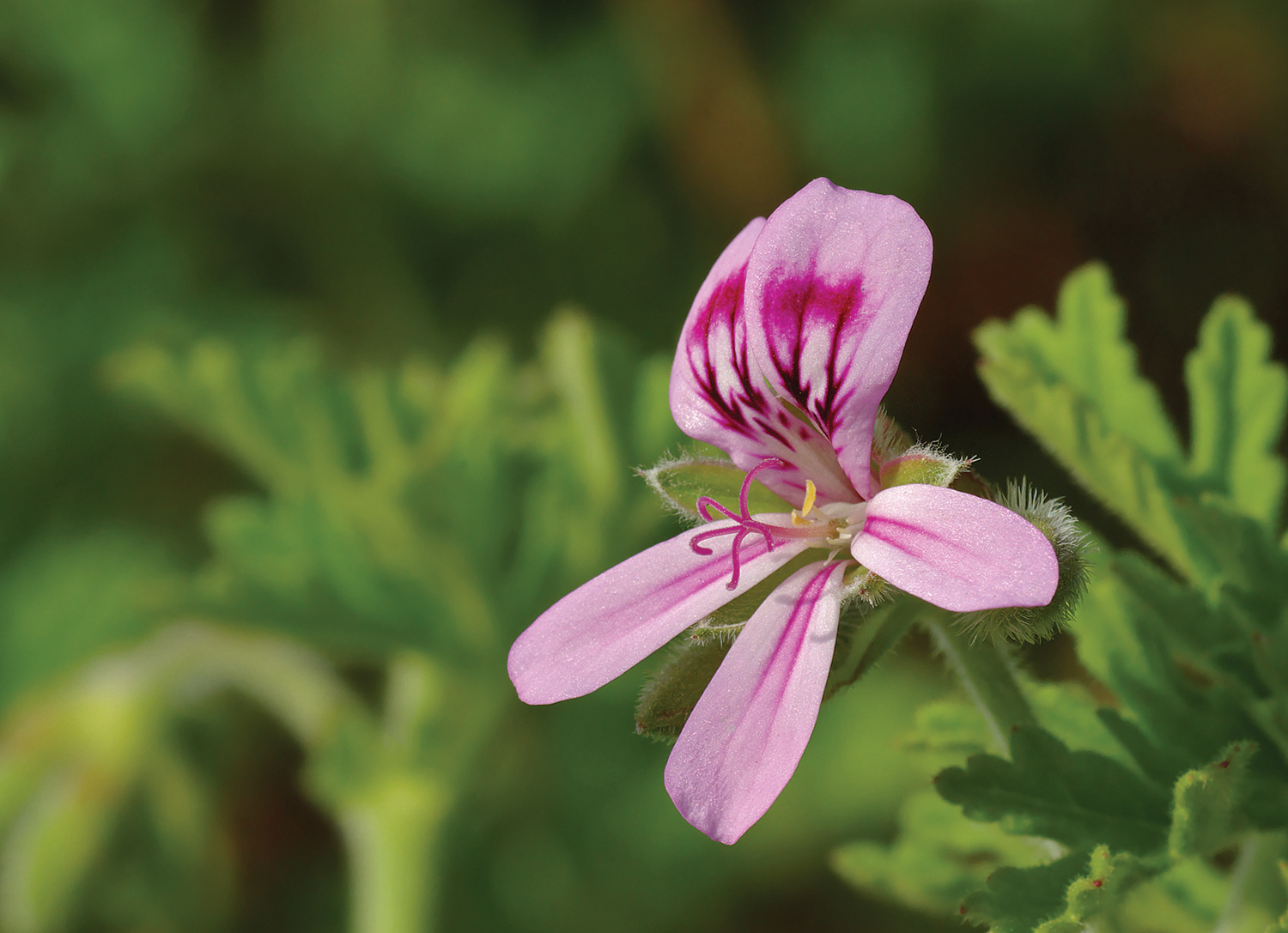 This year, instead of pinching back to prevent flowering, I’ll be anticipating blooms.
More recipes, like Lavender Biscotti, can be found at www.edibleflowers1.com