As gardeners we already know plants are amazing. They can have smells that are intoxicating, beautiful colors and patterns that mesmerize us, and beneficial properties that can help fight illness. Insects like beetles, honey bees, butterflies, and many more also find them attractive and beneficial, but how does pollen get from the flower to the insect and vice versa? One way will make your hair stand on end.
When insects fly, the beating of their wings builds up a positive charge. Flowers, on the other hand, being grounded to the earth have a negative charge. The positively charged insects can feel the negative charge of the flowers and are attracted to them.  The stronger the negative charge the stronger the attraction for the insect. Have you ever shuffled across the carpet and then touched someone? Shocking, right? You built up a charge through friction (called the triboelectric effect) when you walked, just like a bumblebee (butterfly or moth, etc.) when it flies, then it discharged when you got really close to something.
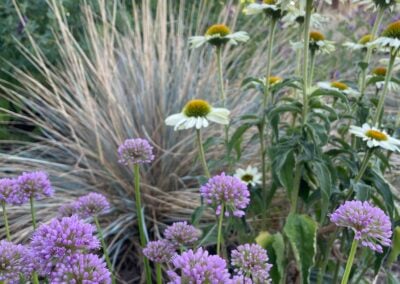
 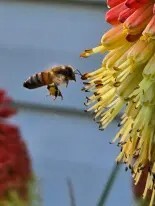 When a positively charged bumblebee approaches a negatively charged flower full of pollen, the pollen jumps from the negative anther of the flower to the positive bee and gets trapped in the hairs on the bee with electrostatic effect (Clarke, 2017; Greggers, 2013). As more and more insects visit the flower the negative charge of the flower decreases and makes the flower less attractive to other insects. This can also work the other way around. As the insect visits other flowers the pollen is transferred from the positive insect to the negative stigma, thus pollinating or cross pollinating those flowers (Hardin, 1976).
So, the next time you see a butterfly or fuzzy bumblebee covered in pollen, remember it’s because of their positive outlook on life.