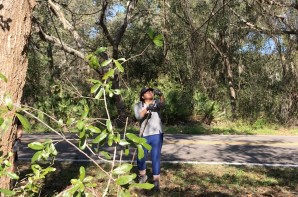
 While on a volunteer trip in Orlando, Florida, I was desperate for bug spray. In the middle of December, the mosquitoes nibbled on any exposed skin they could find, leaving me and the rest of the unprepared Maryland native participants with patches of red swollen bumps on our ankles and arms. Our guides, a retired couple who volunteers with the state parks, became our heroes on the second day of the trip. During our lunch break, the husband saunters over to us, carrying a branch from a nearby shrub and states, “This is spicebush. Crush its leaves and rub it onto your arms. Keeps the bugs away and helps the itch.” Immediately, we passed the branch around, ripped the leaves off the branch, crumpled them, and rubbed the lemon-peppery scented oil onto our skin.
A couple years later, I would learn that spicebush (Lindera benzoin) has a multitude of uses. The fragrant multi-stemmed shrub is native to the margins of wetlands and along woodland streams in the Eastern United States. It can grow close to 10 feet tall, and in 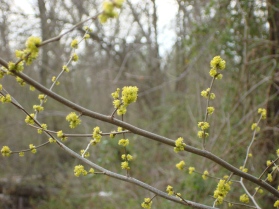 April, yellow flowers begin to appear on the branches. By the end of the summer, the flowers are replaced by cherry red fruits. Spicebush is integral to the native ecosystems, as it serves as the host plant for the spicebush swallowtail butterfly, and birds are known to snack on the seeds. However, Native Americans and early settlers relied on spicebush’s herbal properties.
Native Americans would brew tea with the bark, twigs, leaves, and berries. When ingested, the tea would induce sweating. The increased perspiration would help fight off fevers and ease body aches. In addition, ingestion would assist with removing intestinal parasites. The tea could be applied topically as well. Compresses soaked in spicebush tea would be applied to the skin to ease the pain from arthritis, rashes, bruises, and itching. Once settlers arrived in the new world, they sought help from the Native Americans.
The settlers did not know much about the peculiar plants growing in North America, so Native Americans taught them the herbal benefits of the native plants. 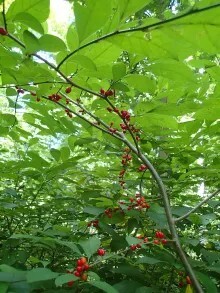 Settlers used spicebush for similar ailments as well as typhoid fever. They also used the plant in culinary dishes. The dried seeds and bark became milder substitutes for allspice and cinnamon, respectively. Beyond its herbal uses, settlers used the presence of spicebush as an indicator for rich soil that could be converted into agricultural land.
Spicebush’s herbal properties may get overlooked by its ecological importance or showy yellow leaves in fall, but it was a staple for Native Americans, early settlers, and my volunteer trip. For more information on spicebush, check out HSA’s Essential Fact Sheet.