 In the current political climate all I want to do is curl up with my seed/plant catalogs and hide … from FOX News, from NPR, even from Facebook. It can be downright scary. That said I remember the phrase: “Think globally, act locally.” In this case I’m thinking locally as in the gardens in my backyard. That’s one place I can surely make a difference.
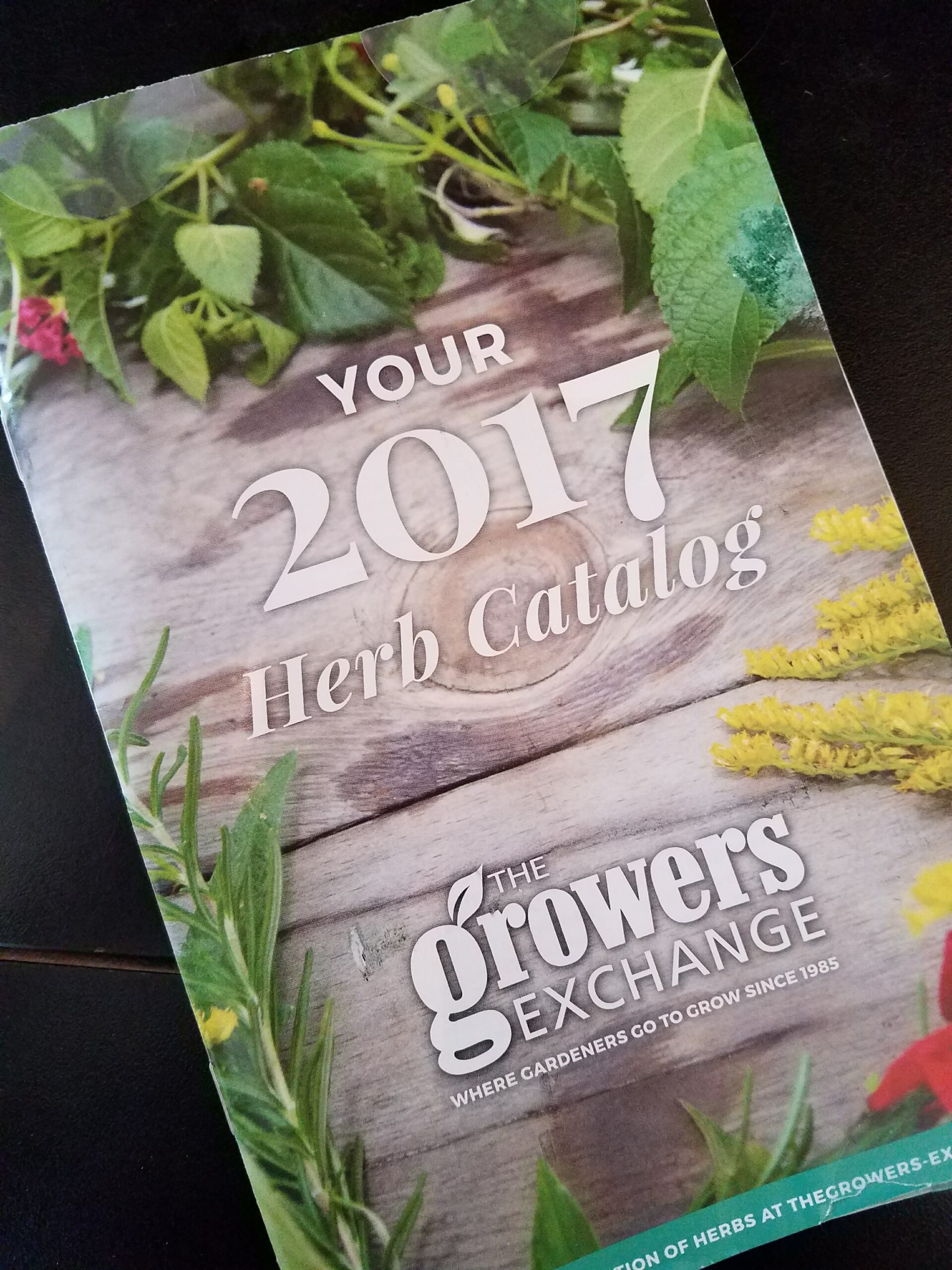
Last year I turned to pollinator-friendly herbs. This year I’m learning more about natives. When I received an email listing the natives available from the Grower’s Exchange I was delighted. They make it easy for me to identify and source the plants I need. Some I can get from private property I access. Others I can simply order.
Rather than reinvent the wheel, I’m borrowing this explanation from Briscoe White’s blog. White is the co-founder and head grower of The Grower’s Exchange.
WHAT ARE NATIVE PLANTS?
In one word, native plants are local. They are plants that have been growing in a certain habitat for thousands of years, and are adapted to the climate, light, and soil that make up their ecosystem.
 WHY ARE NATIVE PLANTS IMPORTANT?
Native plants provide the foundation for a healthy ecosystem. If planted in the right place, they require less water, fertilizer, and maintenance to thrive. They are also vital as ‘host plants’ to the insects that are critical to our ecosystem and are a source of food and protection to other species.
CAN YOU USE NATIVES WITH OTHER PLANTS?
Native plants look and feel so natural because they belong together! They are great choices for every season, and provide so many choices in terms of color and texture. Create an entire native garden or add to your existing garden or landscape.
A review of the natives available is reassuring. They’re not those ugly weeds I wrestled with last year. Instead they include some of my faves purple coneflower, bee balm, yarrow and a miniature Joe Pye weed.
I plan to Keep Calm and Herb Garden On.
Contact growers in your own area for suggestions on what natives are best for your situation. HSA will continue to update information on their website as to sources and the best choices for pollinators and “going native.” Learn more about natives from the Herb Society.