
 Some herbs arrive in our lives because we go looking for them. Others quietly find us, settle into the fabric of our days, and before we realize it, they’ve become part of our story. Flax is one of those herbs for me. When I close my eyes, I can still find my way back to my riding instructor’s little apartment above the barn. She was a wonderful Irish woman, and as a little girl I spent countless nights there. I would fall asleep listening to the ponies below us, the steady rhythm of hay being pulled from the racks, the soft crunching of grain, and the comforting sounds of horses settling in for the night. Even now, if I close my eyes, I can almost smell the sweet hay, warm leather, and that earthy scent every horse person knows by heart.
The kitchen was always warm, and on the stove there was almost always a pot of flax quietly simmering. I loved that pot. Whenever I thought no one was looking, I’d slip into the kitchen, lift the lid, and steal a spoonful. It wasn’t sweet. It certainly wasn’t candy. Looking back, I have no idea why an eight-year-old found a pot of simmering flax so irresistible, but I really did. I loved the warmth of it, the silky jelly that formed as it cooked, and those tiny seeds that crunched gently between my teeth. Somehow the whole thing felt comforting long before I understood why. I don’t think I realized I was falling in love with an herb. I simply knew that if there was flax simmering on the stove, all felt right in the world.
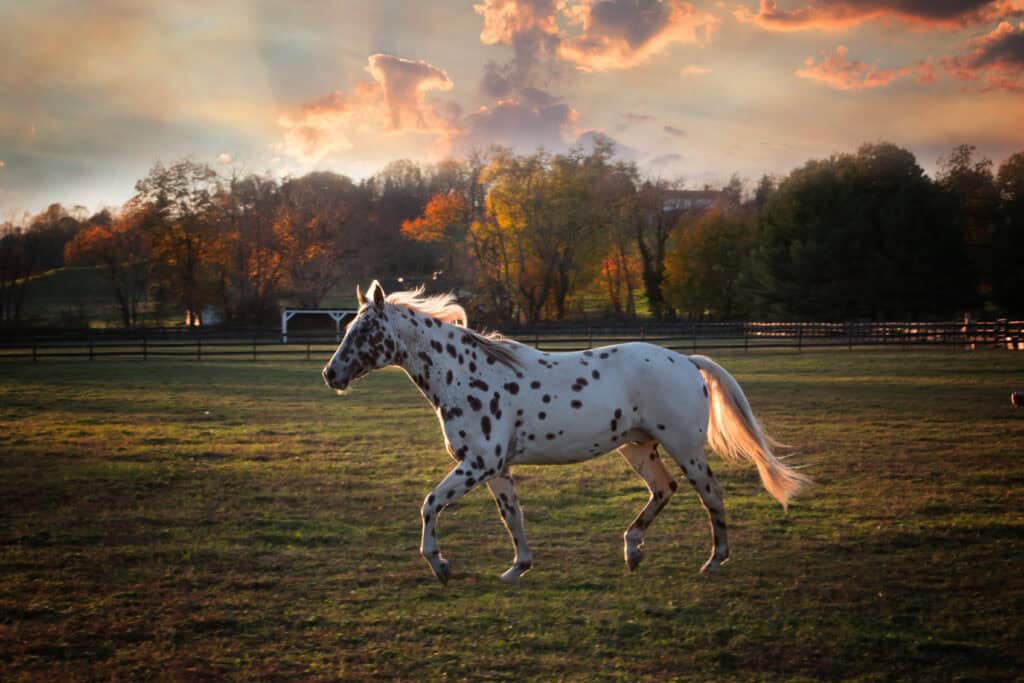 Horse people have understood flax for generations. Long before anyone talked about omega-3 fatty acids, lignans, or soluble fiber, they knew a warm flax mash supported healthy digestion, glossy coats, and horses that simply seemed to thrive. It wasn’t unusual knowledge. It was ordinary wisdom, passed from one barn to another because people paid attention to their animals and trusted what they observed. Looking back now, I think that little apartment above the barn may have been my first herb school, and the horses were my first teachers.
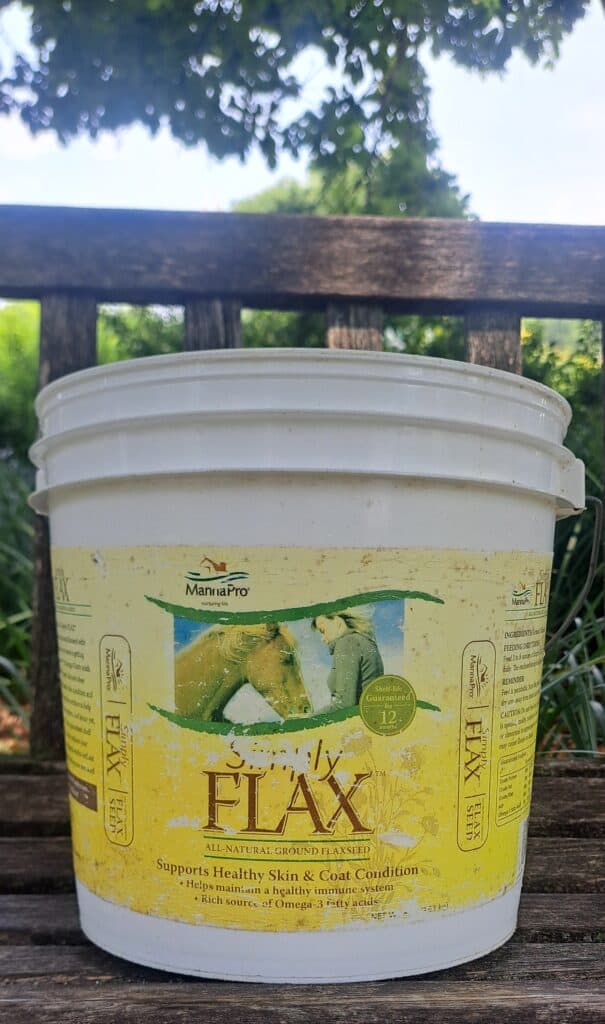
Flax never really left me. Over the years it simply followed me home. Today I still feed it to the horses I work with. One of them is recovering from Lyme disease and continues to struggle with his lymphatic system. Every day he gets flax, and every day I watch his coat grow softer and brighter. More importantly, I watch him become more comfortable in his own body. Horse people have always paid attention that way. Long before we understood all the chemistry, we understood the horse standing in front of us. Flax has quietly cared for horses for generations and I’m so grateful it is still caring for mine.
 These days it also finds its way into our breakfast. Jim, my husband, eats flax every morning as part of his heart-healthy routine and his commitment to keeping his cholesterol in check. His doctor may talk about fiber and healthy fats, but in our house it simply feels like another way an old herbal friend continues to care for us. I stir it into yogurt, make salad dressings with it, sprinkle it over fruit, and add it wherever it seems welcome. I know many people prefer to grind flax, and there are good reasons for doing so, but every now and then I still reach for the whole seeds. Perhaps it’s nostalgia; I still love that familiar little crunch and it carries me straight back to that warm kitchen above the barn.
The chickens enjoy it too, and that doesn’t surprise me at all. One of the things I love most about herbs is that they refuse to stay in neat little categories. They move effortlessly between the barn, the garden, the kitchen, the medicine cupboard, and the chicken coop, reminding us that wellness isn’t something we compartmentalize. It’s simply woven into the rhythm of daily life. The more I learn about flax, the more I think the Romans named it well. Its botanical name, Linum usitatissimum, means “most useful.”
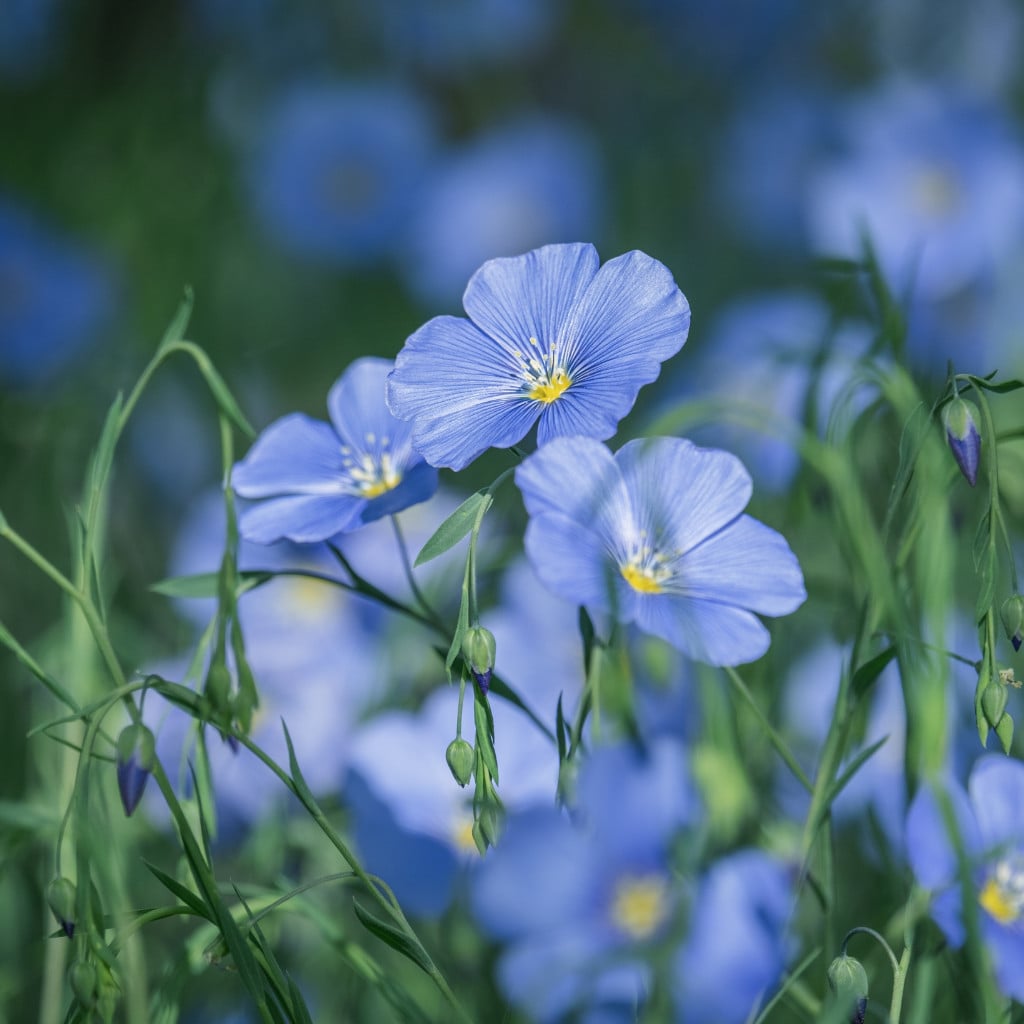
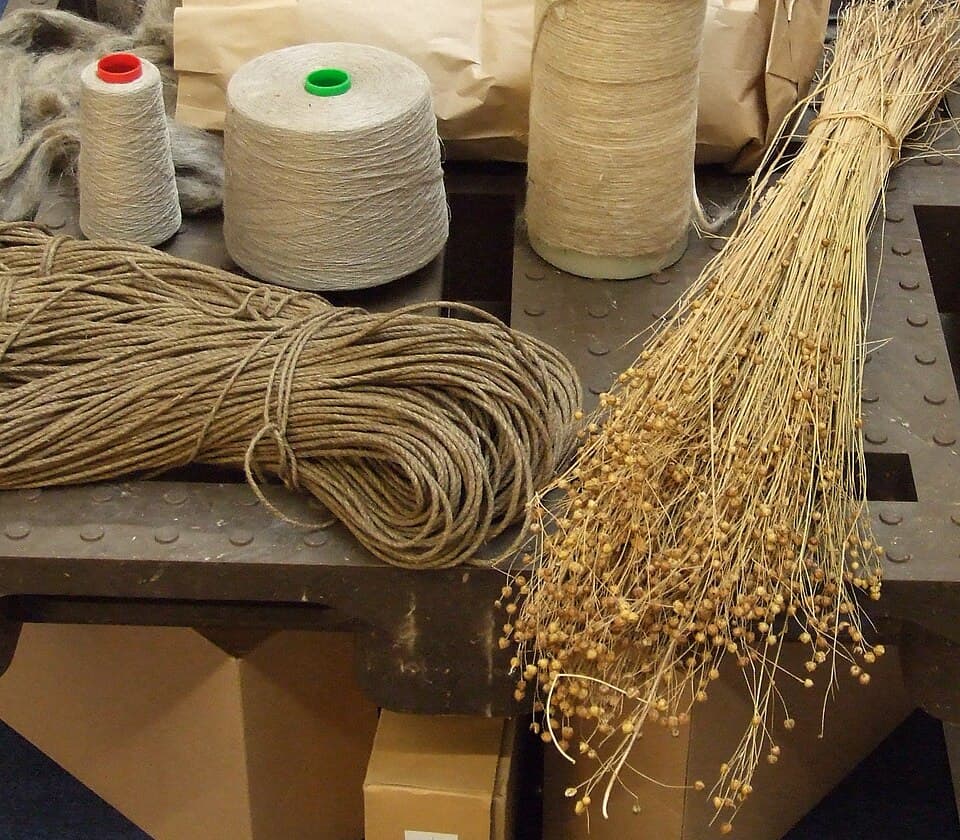 Imagine a single plant that could nourish your family, support your animals, soothe an irritated throat, calm an unsettled stomach, provide oil for your lamps, fibers for your clothing, thread for your sewing, canvas for your paintings, and paper for your words. Flax has done all of those things quietly for thousands of years. Its delicate blue flowers bloom for only a single day, opening themselves to the morning sun before gently fading by evening. The next morning another blossom opens, as though nothing has been lost. There is something deeply comforting about that rhythm. Nothing hurried. Nothing wasted. Simply another day of offering. Its seeds nourish us with healthy oils, fiber, and minerals. Herbalists have treasured the soothing mucilage that forms when flax is soaked or simmered, turning it into teas, porridges, and warm poultices for centuries. Artists know it as linseed oil. Weavers know it as linen. Bakers fold it into bread. Gardeners treasure those impossibly blue flowers dancing above slender stems in early summer. And if you plant flax, don’t be surprised if it decides to stay.
 Allow a few seed heads to ripen and scatter, and you’ll often find little blue flowers greeting you again the following spring. It isn’t pushy. It doesn’t take over. It simply returns, quietly reminding you that some gifts, once welcomed into a garden, become part of its story. Every part of the plant seems to find a purpose. The seed becomes nourishment. The stems become linen. The oil protects wood, nourishes paint, and once lit homes through the night. The flowers feed pollinators. Even the dried seed heads find their way into wreaths and winter arrangements. There is something quietly sacred about a plant that offers itself so completely. As I get older, I’ve noticed that the herbs which stay with us for a lifetime are rarely the rarest or most exotic. They’re the quiet ones. The ones we reach for without thinking. The ones that become part of breakfast, part of caring for an old horse, part of feeding the chickens, part of the rhythm of family life.
At some point they stop feeling like remedies and simply become companions. Perhaps that is one of the greatest gifts herbs offer us. Not dramatic cures, but real relationships. The kind that deepen so gently we hardly notice it until one day we realize a single plant has been faithfully accompanying our lives for decades. I often wonder what my old riding instructor would think if she could see me now. There is flax in my kitchen, in my horses’ feed, scattered for the chickens, and little blue flowers blooming here and there in the garden because I let a few seed heads fall where they pleased. I like to think she’d smile. She would probably think nothing remarkable had happened at all because this is simply how herbal wisdom has always traveled.
 This morning, as I sprinkled flax over breakfast and gathered herbs for the chickens, I found myself thinking about that little girl standing in the warm kitchen above the barn with a spoon in her hand, hoping no one would notice she’d stolen another taste from the pot. Looking back now, I don’t think I was sneaking spoonfuls of flax at all. I think a wise old Irish horsewoman was quietly passing along a way of living. She never called it herbalism. She never handed me a book or sat me down for a lesson. She simply cared for her horses with the quiet confidence that comes from paying attention. Somewhere between the smell of sweet hay, the sound of ponies crunching their evening meal beneath the kitchen floor, and that little pot of flax gently simmering on the stove, I began learning to pay attention too. Perhaps that’s how the oldest wisdom has always been shared. Not through lectures but through kitchens, through gardens, through barns and through people who live what they know, one warm spoonful at a time.