The Rosarian Library estimates that more than 1,000 English-language books on roses have been published since the first rose book appeared in 1799 (Rosarian Library, 2017). A short blog post does not do justice to the immense amount of information written about this historic and very popular Herb of the Month—The Rose.
Rose History
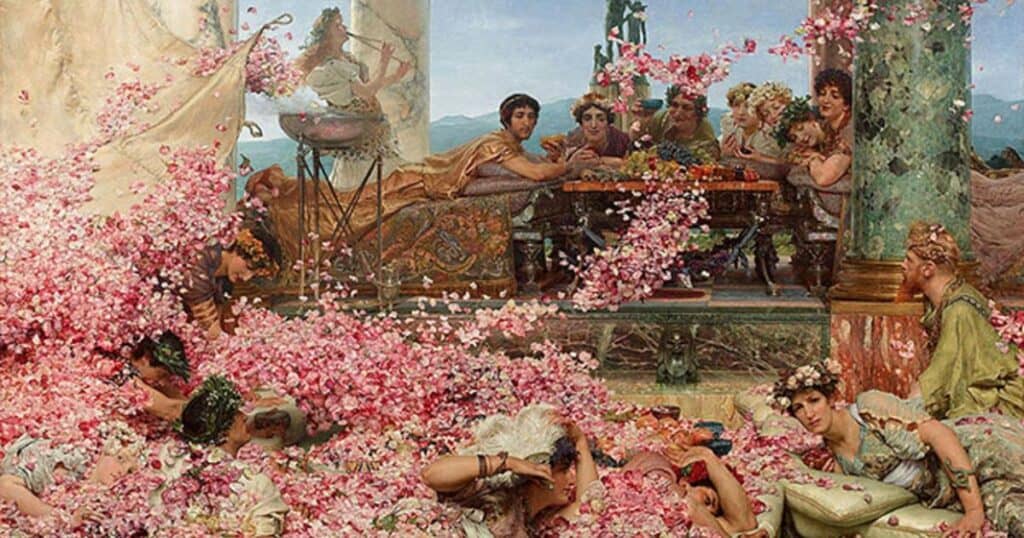 Roses have been found in fossils dating back 35 million years. The Chinese and Persians were among the first to cultivate them roughly 5,000 years ago. New rose varieties bred from native wild species spread to Europe via trade routes. Egyptians used roses in cosmetics and perfumes and in religious and funeral customs. In ancient Greece and Rome, they were linked to the goddesses of love—Aphrodite and Venus—and used as medicine. Romans associated roses with renewal and rebirth, hosting banquets where petals from thousands of roses were dropped from ceilings. Some stories suggest that the Roman Emperor Elagabulus may have suffocated some of his guests with rose petals at such events (Matyris, 2019). Additionally, roses were hung from the ceiling during secret political meetings, giving rise to the phrase “sub rosa” (under the rose), indicating confidentiality.
 When Christianity became the dominant religion in Europe, the pagan symbolism of the rose was transferred to the Virgin Mary, who embodied purity. Soon, the rosary and the rose window emerged as important elements of the Catholic faith. A rosary made of rosewood or dried rose petals became a devotional object.
Roses were important symbols of two ruling families in 15th-century England—the red rose represented the House of Lancaster, and the white rose represented the House of York. The civil war between these two families was known as the War of the Roses, which lasted 30 years. The war ended with the union of both houses. The Tudor rose symbolized this union and was a red rose layered with white petals, and remains England’s national floral emblem.
In Victorian times, women were discouraged from expressing their feelings during courtship and relationships, so the rose and its many colors became a carrier of romantic feelings between the sexes.
 Roses also hold a unique place in American history. Ronald Reagan declared the rose the national floral emblem of the U.S. in 1986, joining England’s Tudor rose and Iran’s damask rose (Roos, 2026). The famous Tournament of Roses Parade, featuring floats decorated with thousands of roses and the reigning Rose Queen, has been held on New Year’s Day since 1890 in California. The parade is followed by a major college football bowl game, the Rose Bowl, which is played in the Rose Bowl Stadium in Pasadena, CA.
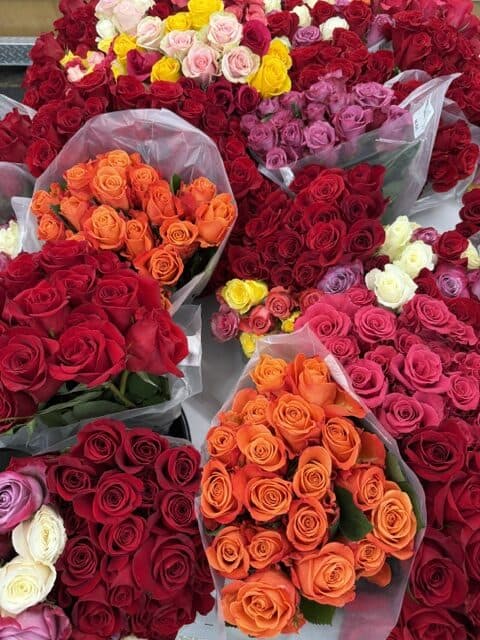
Many rose festivals are held around the world during the peak bloom season. Portland, OR, is famous for its festival. Colombia and Ecuador, major rose growers and exporters to the U.S., host parades and flower shows celebrating their profitable export. Egypt celebrates National Rose Day on February 14 (Rose Directory, N.D.), which coincides with our Valentine’s Day, when roses, their color, and the number of roses in a bouquet are a symbolic gift between the sexes. The United States imports 11 million roses each day in January to support this romantic sentiment (Gresser, 2024).
Roses in the Arts
 Roses appear frequently in art, literature, and film, and, more recently, in social media emojis as well. They have symbolized love, beauty, purity, and spirituality and have inspired countless artists throughout the ages.
An early homage to roses appears in the work of the early Roman writer Sappho, who described them as the “queen of flowers” in her poem “Song of the Rose.” Shakespeare referred to roses at least 50 times in his work famously writing in Romeo and Juliet that “a rose by any other name would smell as sweet.” Pablo Neruda and Sylvia Plath both used the rose in their works to explore the complexities of life and love.
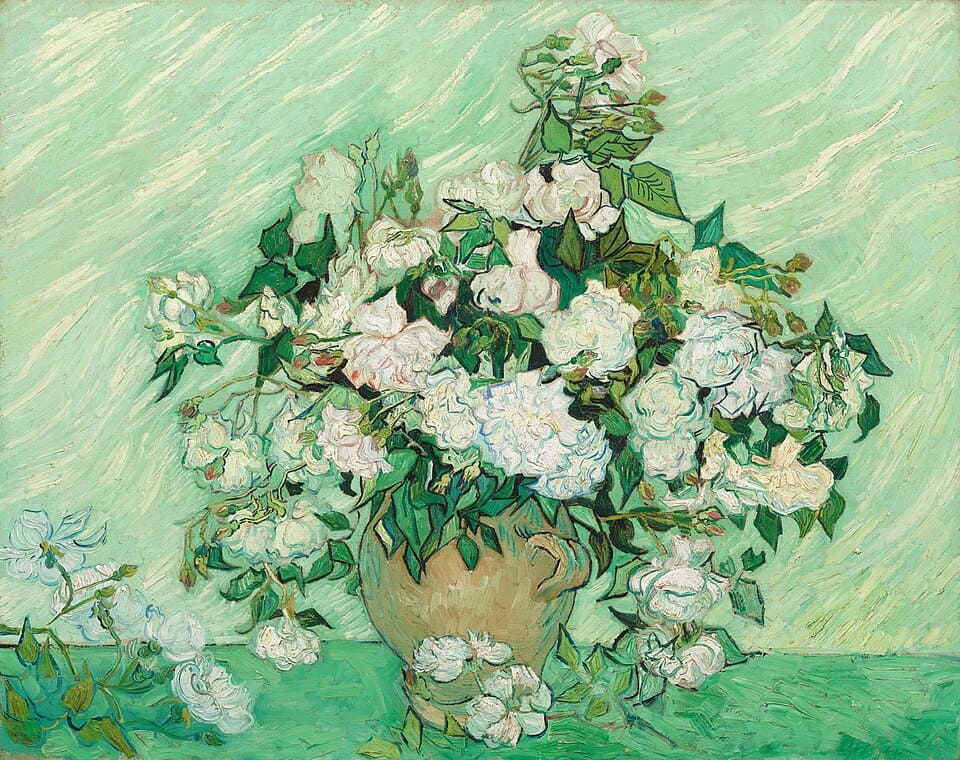
The complexity of the rose, its symbolism, and cultural meaning in many cultures has inspired and challenged countless artists. Renaissance artists often depicted roses as symbols of purity or passion, a motif also common among the Dutch Masters. In the 19th century, painters like Dante Rossetti used roses to represent romantic idealism and spiritual longing. Salvador Dali used roses to show beauty and love in his painting Meditative Rose. Roses inspired the paintings of Van Gogh and Renoir, Georgia O’Keefe and Monet—just to name a few.
 The Rose as an Herb
The rose has been a medicinal herb for 5,000 years. Ancient peoples recognized its effects on the nervous system and its benefits for the skin. In Persia, the rose was known as the Queen of Flowers for its beauty and healing properties. Roman and Greek physicians developed oils, waters, ointments, and powders to treat a wide range of illnesses.
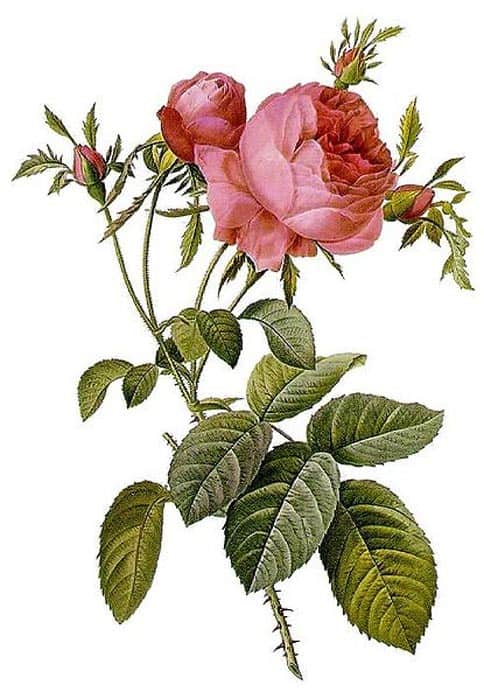 Today, roses are still used in aromatherapy treatments, alleviating depression, stress, and anxiety. “Therapeutic uses of rose extracts, encompass their anti-inflammatory and anti-diabetic effects, their role in seizure treatment, antimicrobial properties, anti-aging and skin repair benefits, and other effects” (Wang, Hsiuying, 2023).
Rose petals are a beautiful garnish for cakes, cookies, and other dishes. They make a soothing tea, a flavorful syrup, or a colorful addition to a salad.
Who can resist the romance of a single rose petal floating in a glass of wine?