
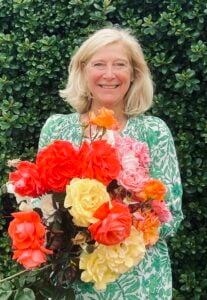
 I am really excited for this year’s Educational Conference hosted by The Herb Society of America in the beautiful state of Texas — they say everything is bigger in Texas, and that is true especially when it comes to their love of herbs and wildflowers. I will be giving a talk at this year’s conference all about using favorite native plants and flowers and how you can use them in natural beauty products and treatments. We will also be creating our own botanical recipes to take home and enjoy. Here is a quick preview to some of my favorite Texas wildflowers.
Every spring, the landscape in Texas looks like a living watercolor of blues, pinks, reds, and golds. Anyone who has ever visited during this time of year will tell you it is truly magical, and posing in a field of Texas bluebonnets (Lupinus texensis) is transformative. Wildflowers are beautiful but they also carry a rich history of supporting natural skincare and wellness. For generations, herbalist across the Southwest have turned to these native plants for their soothing, aromatic, and skin loving properties. Today, the tradition continues as more people rediscover the benefits of garden-inspired self care.
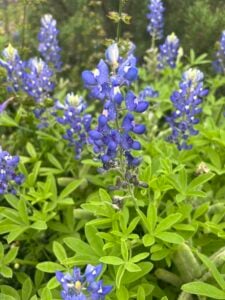 One of the most iconic Texas blooms is the bluebonnet, a symbol of spring and renewal. While bluebonnets are most popular as a roadside attraction, their petals have antioxidants and mild astringent qualities. When dried and infused into water or witch hazel, they create a calming botanical toner perfect for refreshing the skin after a day outdoors.
Another beloved native is Texas sage (Leucophyllum frutescens), sometimes called “cenizo.” Its silvery leaves are not only beautiful in the landscape, but they also hold antimicrobial and clarifying properties. Traditional herbal use points to sage as a wonderful plant for oily or congested skin. A simple facial steam made with Texas sage leaves can help open pores and clean the skin naturally, while an infused oil creates a gentle, aromatic skin toner.
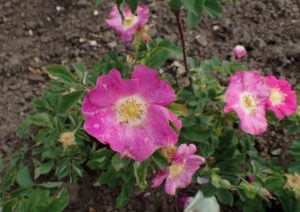 The prairie rose (Rosa arkansana), a small but wonderfully fragrant native rose, is a treasure for natural beauty. Like all roses, it offers soothing, toning, and softening benefits. The petals can be used to make rosewater, facial steams, scrubs, and even lip balms. Their vitamin-rich profile and uplifting scent make prairie roses a favorite for wellness rituals. Just inhaling rose’s aroma has been shown to help reduce stress, a perfect excuse to bring a handful of petals into your bath or skincare routine.
Another skincare star is evening primrose (Oenothera speciosa), famous for its nutrient-dense seed oil. Evening primrose oil is a popular ingredient in natural products for its ability to support the skin’s moisture barrier, soothe dryness, and nourish mature or sensitive skin. While the oil is extracted from seeds rather than petals, seeing the soft pink primrose blooms across the Texas landscape reminds us of the deep connection between native plants and modern wellness traditions.
 Beyond their physical benefits, wildflowers offer something equally important: emotional wellness. Spending time in nature, gathering petals, or crafting your own botanical products encourages mindfulness and creativity. The act of working with flowers has been scientifically proven to create a calming mood that supports both your mind and overall health.
Texas wildflowers remind us that natural beauty is all around us waiting to be discovered and enjoyed. Whether you are crafting a rosewater mist, steeping a floral bath, or simply taking a walk through a blooming field, these native plants are a beautiful way to reconnect with nature and nurture yourself inside and out. Here is an easy-to-create “Bath Tea” recipe you can make at home with your favorite dried native plants. Enjoy!
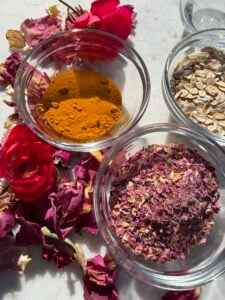 Wildflower Bath Tea
In the spring or summer, gather flowers and herbs to use year-round. Make sure to store your botanicals in a dry, dark spot for best results. This tub tea has whole oats which is useful in cleansing and soothing all skin types. The herbs and flowers are a suggestion; feel free to use your own native and favorite plants to create a unique blend all your own. Soaking in the fragrant water is calming to both your mind and body.
Yield: 3 ounces (enough for one bath)
1 Tablespoon dried prairie rose petals (or favorite rose)
1 Tablespoon dried lemon balm leaves
1 Tablespoon dried black-eyed Susan petals
1 Tablespoon whole oats
In a small bowl, mix together all ingredients. For a smoother texture or powder, you may also use a food processor to grind together the herbs and oats. Place the mixture inside a muslin tea bag or tie up in a piece of cotton cloth. To use: Add your tea bag to a warm bath and let steep while soaking for 20 minutes.