 I was ordering ciopinno – Italian fish stew –at Etna Restaurant in Cleveland’s Little Italy, while a young woman also sitting at the bar was perusing the Sicilian-based menu. We started chatting and discovered a similar passion for gardening. Turns out Carmen Ketron was visiting from Charleston, South Carolina, for the 37th Annual Meeting of the American Community Gardening Association.
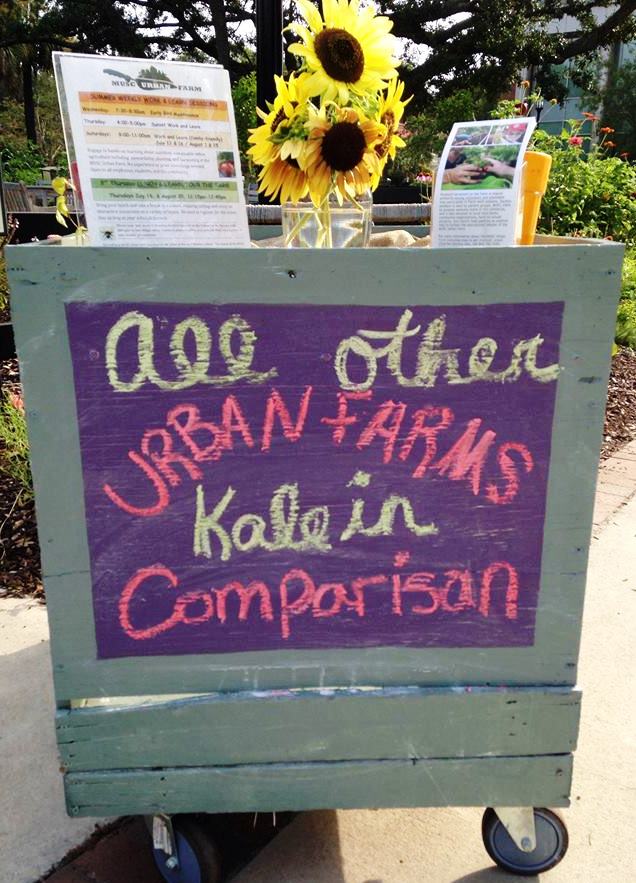
The community garden Carmen manages at the Medical University of South Carolina has an interesting undertaking. Its mission is to build a healthier community by growing crops and social connections while educating and inspiring people with local, nutritious, and delicious food. The half-acre plot inspires workshops, seminars, volunteer workdays, and tours for local schools. Participants learn how to engage in sustainable, urban agriculture and how to add herbs and vegetables to their home menus.
Herbs play an important part in that nutrition strategy. Carmen shares some of that ..
Q. What herbs do you grow?
A. We grow medicinal and culinary herbs at the Urban Farm. Staple perennials such as oregano, rosemary, peppermint, thyme, and chives are available year round. We also grow common annual herbs including many different types of basil, cilantro, and parsley.
We have many herbs we use in teas for home medicinal remedies such as lavender, Mexican mint marigold, and chamomile.
We are currently trying to expand our reach into culturally diverse herbs. This has inspired us to farm different varietals such as sisho (Chinese green), garlic chives, and tulsi (Indian basil) at the farm to provide patrons with herbs that are hard to acquire in the grocery store.
Also we highlight native herbs from South Carolina. There we have neat native herbs like hops, elderberry, and pokeweed that have been used medicinally for hundreds of years.
Q. Why are herbs important to your urban farm?
A. We grow these plants for demonstration and education. We give them to people for cooking, usually with recipes and handouts about common uses. We want people to use herbs to flavor food as a healthy alternative to salt and highly processed commercial products.
Also, they beautify the landscape and are part of the ornamental decor of the hospital’s campus.
Finally, we use them to attract native pollinators for our bee hives and as part of an integrated pest management strategy. For instance, we plant dill and fennel to attract parasitic wasps that lay eggs inside the tomato hornworm caterpillar. That helps us minimize these pests and protect our tomato plants.
Q. How important are your garden and your herbs to educating consumers about nutrition?
A. Hands-on demonstration is one of our staple educational methods and herbs are a great year-round resource for teaching. We have found that adding herbs to the kitchen requires little effort, but can transform a person’s diet and have tremendous health benefits.
Q. How important are herbs to eating healthy?
A. Flavoring healthy foods with different herbs makes healthy food taste better without adding fats, sugars or salts. These herbs also contain 0 calories. And, some herbs even have health benefits such as digestive aid, relaxant or nutritional content.
Q. What do you make with them in demonstrations?
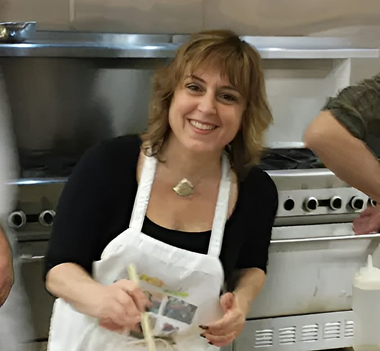
A.. We use our demonstrations to discuss herb uses and how to keep them fresh. Right now we are at the end of our summer and some of our demonstration highlights are flavoring salsas and hummus dishes as well as dressing up sandwiches and how to make herb salad dressings at home.