Introduction
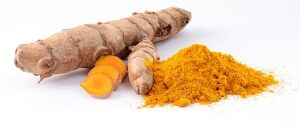 Turmeric (Curcuma longa) is an ancient and remarkably versatile spice whose vivid color, distinctive flavor, and long history of human use make it especially worthy of closer study. This golden rhizome has been valued for thousands of years in kitchens, healing traditions, and cultural rituals across Asia. In recognition of its importance, The Herb Society of America has selected turmeric as the Herb of the Month for January 2026, and the International Herb Association has designated it as the Herb of the Year for 2026.
Although turmeric is native to tropical and subtropical regions, its fresh rhizome is now commonly found in the produce section of many grocery stores, and a wide array of processed turmeric products are readily available in health food sections. Today, this ancient spice is easy to incorporate into everyday cooking and wellness practices, continuing a tradition that spans thousands of years.
Growing Turmeric
Turmeric is a member of the ginger family, Zingiberaceae, a group of plants familiar to many gardeners for their aromatic rhizomes and bold foliage. It is winter-hardy in USDA Zones 8–11 and thrives in warm, humid conditions, making it particularly well-suited to southern gardens.
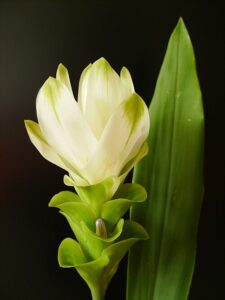 The plant produces long-lasting, pinecone-shaped flower spikes, along with spear-shaped leaves that add a lush, tropical presence to the garden. The rhizomes—underground stems—send up new growth throughout the growing season, creating an attractive ornamental display as well as a useful harvest. Turmeric performs well in moist but well-drained, lightly shaded garden beds and can also be grown successfully in containers, allowing it to be overwintered in a greenhouse or protected space in cooler climates.
As temperatures cool in the fall, turmeric enters a dormant period, resting underground until late spring of the following year. At that time, the rhizomes may be dug and divided for replanting, or they can be boiled, dried, and ground to produce the familiar turmeric spice. Curcumas are generally low-maintenance plants whose dramatic summer foliage and flowers offer gardeners both visual interest and the satisfaction of growing a beautiful and functional herb.
Culinary and Practical Uses
Curcuma longa originates from India, where its rhizomes have flavored regional cuisines for thousands of years. India remains one of the world’s leading producers, exporters, and consumers of turmeric, reflecting the spice’s central role in both daily cooking and cultural traditions. Archaeological evidence of turmeric residue found on pottery dating to approximately 2500 BCE underscores its long-standing importance.
 The ground rhizome is a staple in many Asian cuisines and is a key component of curry powder, which is itself a blend of multiple spices rather than a single ingredient. Beyond the rhizome, turmeric leaves are used in some regions to wrap meat and vegetables before baking, imparting a subtle aroma, and the flowers are also edible.
Turmeric’s intense yellow pigment has been valued for centuries. Historically, the dye produced from the rhizomes was used to color the robes of Buddhist monks. Today, it continues to be used in the cosmetic industry and as a natural food coloring in products such as butter and cheese. Turmeric also appears in pickles and yellow mustard, making it a familiar ingredient even to those who may not regularly cook with the spice.
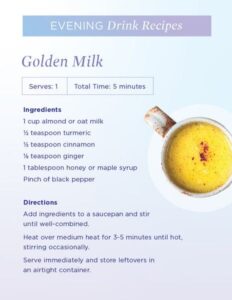
In recent years, turmeric has gained renewed popularity through beverages such as golden milk, a warm drink made with turmeric, cinnamon, ginger, honey, and nutmeg. Served in cafés and prepared at home, this comforting drink reflects both traditional uses of warming spices and modern interest in plant-based wellness.
Medicinal and Health Significance
 Turmeric has been used as a medicinal herb since ancient times, particularly within the Ayurvedic and traditional Chinese systems of medicine. As early as 250 BCE, an Ayurvedic medical text recommended turmeric for counteracting food poisoning. Its long history of use is reflected in Ayurvedic literature, where turmeric is known by more than 100 names, including jayanti, meaning “one who is victorious over diseases” (Avery, 2015).
In recent decades, turmeric has attracted significant scientific study for its potential health-supporting properties. Over the past 25 years, more than 3,000 scientific articles have been published on turmeric and its constituents (Prasad & Aggarwal, 2011). Much of this research focuses on curcumin, the compound responsible for turmeric’s distinctive yellow color.
Curcumin has been widely studied for its anti-inflammatory activity and is generally well-tolerated. Research suggests that curcumin may help protect against the development of certain cancer cells, particularly in laboratory and clinical studies related to colon cancer. Additional studies have associated curcumin with improvements in cholesterol markers and a reduced risk of cardiovascular disease (Avery, 2015). Emerging research also links curcumin to potential benefits for brain health and memory. According to WebMD (2022), higher intakes of curcumin “may help to reduce the risk of dementia and Alzheimer’s disease.” A recent study shows that a combination of black pepper and turmeric lowers blood sugar levels and reduces appetite (Khan, 2024).
Cultural and Religious Importance
 Turmeric has long served as both a practical material and a powerful symbol. In early Indian art, turmeric powder was used as a coloring agent for masks, paintings, and costumes, a practice that continues today in religious art and in the elaborate face painting in classical Kathakali dance (Velayudhan, 2012).
In Hindu traditions, turmeric is regarded as sacred and auspicious, and is closely associated with purity. It plays an important role in many religious and social ceremonies. During Hindu weddings, for example, the groom traditionally places a turmeric-dyed string on the bride, symbolizing her readiness for marriage. In another common wedding ritual, a paste or powder made from turmeric is applied to the bride and groom to impart a radiant glow and to promote prosperity. Wedding garments may be sprinkled with turmeric-infused water for purification.
Turmeric is also associated with protection and well-being. In some regions, newborns are anointed with turmeric paste to safeguard them from harm and encourage a long life. In southern India, wearing a piece of turmeric rhizome is believed to ward off evil, and during certain religious celebrations, worshippers dust themselves with turmeric powder. Across these practices, turmeric serves as a marker of life’s transitions—birth, marriage, healing, and devotion.
Further Information
 For more information and recipes using this colorful Herb of the Year, please see The Herb Society’s Herb of the Month webpage.